5 Best Neighbourhoods in Toronto for Immigrants in 2025 - OBP
Finding the best places to stay in Toronto for immigrants requires careful consideration of your unique needs and circumstances. Canada’s largest city welcomes over 100,000 new residents annually, with Toronto receiving nearly half of all newcomers to the province according to Statistics Canada. Your neighborhood choice shapes everything from daily commutes to cultural connections.
Toronto’s reputation as one of the world’s most diverse cities isn’t just marketing speak. Over 230 different nationalities call this metropolitan area home, creating vibrant communities where multiple languages flow naturally through street conversations and local businesses. This multicultural foundation makes settling into Canadian life significantly easier for newcomers.
However, not all Toronto neighborhoods offer the same advantages for new immigrants. Whereas some areas provide excellent transit connections and affordable housing, others excel in job opportunities or established cultural communities. The right immigrant-friendly neighborhood can accelerate your integration process, reduce living costs, and provide the support network essential for long-term success.
Which factors matter most when you’re starting fresh in a new country? Access to settlement services, proximity to employment hubs, affordable rental options, and cultural familiarity often top the priority list. Unlike other major Canadian cities, Toronto’s extensive subway and streetcar network connects diverse neighborhoods, giving you flexibility in balancing cost, convenience, and community preferences.
Scarborough: Toronto’s Multicultural Haven for New Immigrants
Scarborough stands out as one of the best places to stay in Toronto for immigrants thanks to its unbeatable combination of affordable housing and vibrant diversity. This eastern district offers rental prices significantly lower than downtown Toronto, with one-bedroom apartments averaging $1,800-2,200 monthly compared to $2,500+ in the core. The neighborhood welcomes newcomers with open arms.

What makes Scarborough particularly attractive for immigrant families? The area boasts exceptional educational opportunities, including highly-rated schools like David and Mary Thomson Collegiate Institute and Sir John A. Macdonald Collegiate Institute. Meanwhile, the extensive network of parks, community centers, and recreational facilities provides countless opportunities for families to connect and integrate into Canadian life.
Transportation accessibility makes daily commuting effortless throughout the Greater Toronto Area. The Scarborough RT and multiple TTC bus routes connect residents to downtown Toronto within 45 minutes, while the upcoming Scarborough subway extension will further enhance connectivity by 2030. Moreover, the district’s diverse immigrant communities from Asia, the Caribbean, and Africa create natural support networks where newcomers find familiar foods, cultural events, and mentorship opportunities that ease the settlement process.
North York
North York delivers the perfect blend of suburban tranquility and urban convenience for immigrants looking for places to stay in Toronto. This sprawling district offers tree-lined streets, spacious apartments, and a genuine sense of community that makes newcomers feel instantly welcome. Family-friendly neighborhoods here provide the breathing room many immigrants crave after navigating busy downtown cores.

What sets North York apart from Toronto’s other districts? The area boasts exceptional rental variety, from high-rise condominiums near Yonge Street to townhouses tucked into quiet residential pockets. According to Toronto’s 2024 Housing Report, North York maintains 15% lower average rental costs compared to downtown while offering 40% more green space per capita. Families particularly appreciate the abundance of parks, well-funded libraries, and active community centers that host cultural events year-round.
Moreover, North York’s reputation for top-rated schools makes it a magnet for immigrant families prioritizing their children’s education. The district houses some of Toronto’s highest-performing elementary and secondary schools, with many offering specialized ESL programs. The TTC subway system connects residents to downtown Toronto in just 25 minutes, whereas maintaining that coveted suburban atmosphere. This accessibility allows immigrants to work downtown while enjoying peaceful evenings in family-oriented surroundings.
Etobicoke
Etobicoke stands out as one of the best places to stay in Toronto for immigrants seeking suburban tranquility without sacrificing urban convenience. This western district offers tree-lined streets, family-friendly parks, and established neighborhoods where newcomers quickly feel welcomed. Unlike downtown’s cramped quarters, Etobicoke provides generous living spaces at reasonable prices.


What makes this area particularly attractive for new residents? The strong community bonds create natural support networks essential for successful settlement. Local community centers regularly host cultural events and integration programs, while established immigrant populations from diverse backgrounds offer mentorship opportunities. Families especially appreciate the safe, walkable neighborhoods.
Furthermore, Etobicoke’s practical advantages extend beyond community spirit. Spacious two-bedroom apartments average $2,200 monthly compared to $2,800 downtown, according to recent rental market data. The TTC subway and bus routes connect seamlessly to employment hubs across the Greater Toronto Area. Airport workers find the 20-minute commute to Pearson International particularly convenient, making this Toronto neighborhood for newcomers ideal for aviation industry professionals.
Mississauga: Canada’s Multicultural Hub for New Immigrants
Mississauga stands out as one of the best places to stay in Toronto for newcomers, ranking as Canada’s sixth-largest city with over 721,000 residents. This vibrant community just west of downtown Toronto boasts an impressive 53% foreign-born population, making it one of the most diverse cities in North America. You’ll find established communities from over 170 countries here.
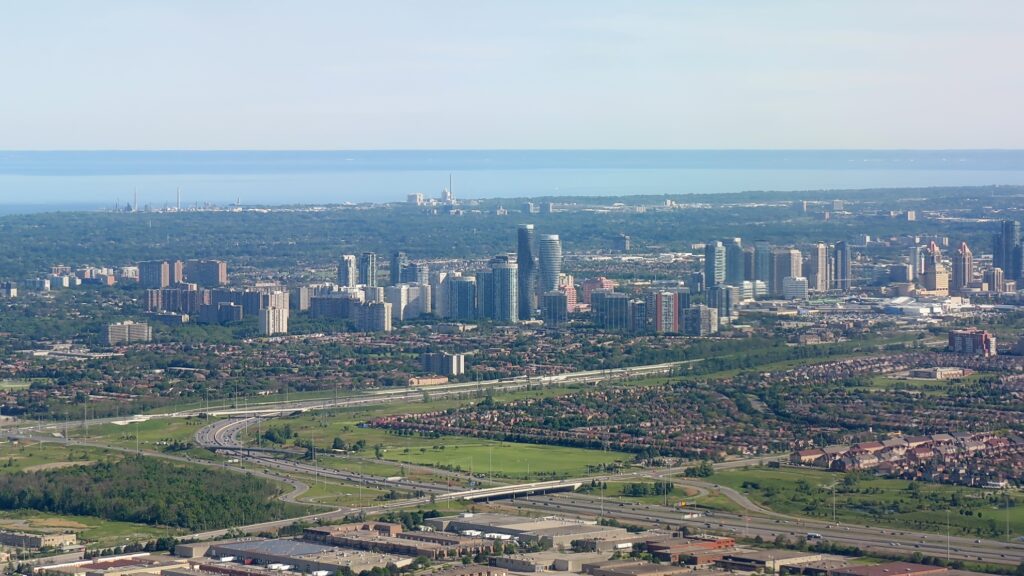
What makes Mississauga particularly attractive for immigrant families is its exceptional balance of affordability and opportunity. The average rental cost runs approximately 15-20% lower than downtown Toronto, while maintaining excellent transit connections via GO Transit and MiWay bus systems. Top-rated schools like John Fraser Secondary School consistently rank among Ontario’s best.
Moreover, the city offers comprehensive newcomer settlement services through organizations like the Mississauga Library System and Region of Peel Immigration Services. Square One Shopping Centre, one of Canada’s largest malls, provides both employment opportunities and familiar retail experiences for new residents. Why settle for expensive downtown living when Mississauga delivers the complete package? The city’s family-friendly parks, including Kariya Park and Lakefront Promenade, create perfect spaces for building community connections while your children play safely nearby.
Downtown Toronto: The Urban Playground for Ambitious Newcomers
Downtown Toronto offers the best places to stay in Toronto for immigrants who crave energy and opportunity at their doorstep. This vibrant core attracts young professionals and couples seeking immediate access to major employers like the Financial District’s banks, tech companies in the Entertainment District, and countless startups scattered throughout the urban landscape. The pulse never stops here.
However, this prime location comes with premium pricing that reflects its desirability. According to Toronto Real Estate Board data, downtown rental prices average 25-30% higher than suburban alternatives, with one-bedroom units typically ranging from $2,200-$2,800 monthly. The trade-off becomes clear when you calculate transportation savings and time gained from walking to work instead of commuting.

What makes downtown particularly attractive for newcomers is the walkable lifestyle that eliminates car dependency entirely. Unlike suburban areas where grocery runs require planning, downtown residents find everything within blocks: major shopping centers, diverse restaurants representing every cuisine, healthcare facilities, and entertainment venues. The PATH underground network connects you to essentials even during harsh winters, while the subway system provides seamless access to other neighborhoods when you need a change of pace.
Read more: 8 Wonderful Family-Friendly Hotels in Toronto You’ll Love in 2025
Tips for Choosing Where to Stay as a New Immigrant
Choosing the right Toronto neighbourhood as a new immigrant requires balancing multiple factors that will shape your Canadian experience. Your housing decision impacts everything from daily commute costs to social connections. Start by establishing a realistic monthly budget that includes rent, utilities, and transportation expenses—financial experts recommend spending no more than 30% of your income on housing. Next, map out proximity to your workplace, children’s schools, or potential job clusters in your field, as Toronto’s traffic can significantly extend commute times during peak hours.
Beyond practical considerations, seek neighbourhoods with established immigrant communities and accessible settlement services. Areas like Scarborough and North York offer numerous newcomer support organizations, language classes, and cultural associations that ease the transition process. These communities provide invaluable networking opportunities and familiar cultural touchstones. Research local community centres, libraries, and settlement agencies before making your final decision.
Think long-term when evaluating housing options. Consider the neighbourhood’s job market growth, upcoming transit developments, and housing appreciation trends. For instance, areas along planned transit lines often experience increased property values and improved connectivity over time. What career advancement opportunities exist in your chosen area? Neighbourhoods with diverse industries and growing business districts typically offer better prospects for professional growth and potential homeownership down the road.

Conclusion
Toronto stands out as a brilliant city for newcomers because of its incredible diversity, robust job market, and comprehensive support systems for immigrants. The five neighbourhoods highlighted offer distinct advantages—from Scarborough’s affordability and cultural diversity to downtown’s career opportunities and urban amenities. Each area provides unique pathways to building your new Canadian life.
Start exploring these neighbourhoods today. Visit during different times of day, talk to current residents, and experience the local transit systems firsthand. Your perfect Toronto neighbourhood awaits—one that will serve as the foundation for your successful Canadian journey.
FAQs
Is Toronto a good city for new immigrants in 2025?
Absolutely! Toronto remains one of the most welcoming and diverse cities globally, offering excellent job opportunities, schools, and community support services.
Which areas are the most affordable for immigrants?
Scarborough, Etobicoke, and parts of North York generally offer more affordable rental options compared to downtown.
Is it easy to find public transport in these neighbourhoods?
Yes — Toronto has an extensive transit system (TTC) that connects most neighbourhoods via subway, bus, and streetcar.
Are there neighbourhoods with strong immigrant communities?
Definitely — areas like Scarborough, North York, and Mississauga are known for their multicultural populations and active cultural centres.
Should I stay in Toronto city centre or the suburbs?
It depends on your lifestyle and budget. The city centre suits young professionals and students, while the suburbs are ideal for families seeking space, affordability, and community.https://cdn.ritekit.com/csp-cookie-check.html


Comments
Post a Comment