South America Tourism News 2025-2026: Travel Tips
Let’s pull back the curtain and get candid about what it’s actually like to navigate South America in 2025-2026. So, you’re gearing up for your first time in the Southern Hemisphere? Maybe you’re dreaming about sipping yerba mate in Buenos Aires or you keep seeing epic Machu Picchu selfies on your feed and wonder, “Could I actually make this happen?” Trust me, you’re not alone. I was there myself not too long ago lost somewhere between comparing LATAM airfare hacks and frantically googling, “Do I need a visa for Brazil if I just want to see the Christ statue and eat my body weight in pão de queijo?” Spoiler: You might. Things have changed… and then changed again.
Picture yourself at the Bogotá airport, your phone blowing up with boarding pass notifications except now everything feels smoother than your last attempt to download a boarding pass in Miami. Talk about a glow up for South American travel infrastructure. Since 2021, the region’s really doubled down on flexibility. Countries like Chile and Argentina saw huge improvements in entry requirements. Chile, for example, ditched its “Protected Borders Plan” recently cue collective sighs of relief from adventure junkies who just want to hike in Torres del Paine without feeling like they’re prepping for a moon landing.
About that pesky “Can I get in?” question. Yes, there are still little wrinkles. Brazil recently brought back visa requirements for travelers from four countries raise your hand if you just updated your passport after a global pandemic and now you’re googling consulate appointments. The rest of the big name destinations (I see you, Colombia and Peru) seem to be embracing this “open door but check our biosecurity cert” energy. Not exactly the Wild West, but you’ll want to double check your paperwork (and triple check your yellow fever vaccines).
Let’s break it down with some on the ground user wisdom. Last July, I met an Aussie backpacker at a hostel in Lima who raved about the free entry programs for historic sites. Picture this: one week, you go full Indiana Jones exploring Inca ruins gratis… the next, you’re calculating how much you saved to justify splurging on ceviche by the beach. Quick tip from a pro (aka me after learning the hard way): Always check if museums or parks run free admission days a godsend for long term travelers or anyone channeling “budget boss” vibes.
Time for a reality check though travel in South America isn’t all glamorous Instagram shots. You might hit a few snags with transport. Local airlines like SKY are on the comeback trail but can you count on your flight not getting rescheduled? Let’s just say… patience is your new carry on. Still, the region is making moves. Major events sporting, cultural, the works are popping up left and right. 2025’s calendar is stacked (think Rio Carnival, massive fútbol showdowns, literary festivals that make Paraty feel like South America’s answer to Edinburgh.)
Oh, and for my fellow foodies don’t just stick to the tourist traps. Hunt down those local eats: Bolivian salteñas that stain your fingers orange, Brazilian moqueca that makes your kitchen back home seem very disappointing, and all the empanadas in Argentina trust me, you don’t want to miss these. I still remember nearly missing a flight from Córdoba because I “needed” to try one more slice of fugazzeta pizza.
Here’s the big takeaway: South America in 2025-2026 is a blend of epic adventures and some good old fashioned unpredictability. Your key tools? Roll with the punches, stay informed (those air border updates come in hot), and channel a little resourcefulness. Think of it like building your own travel mixtape sometimes there’s a surprise track, but that’s half the fun.
Insider Sidebar:
If you’re looking for value: Argentina’s legendary peso swings can make for amazing deals (did you see it was ranked top 10 for high level tourism?), and Peru’s free monument days are clutch. Colombia, meanwhile, keeps it approachable and safe, thanks to those biosecurity measures you keep reading about in the news. Pro tip: Download a good translation app, learn a few local phrases, and bring more patience than you think you’ll need. You’ll come home with way better stories.
So, what now? Grab your journal, jot down your dream destinations, and imagine yourself hopping borders, trying new foods, and maybe just maybe finding your own “I can’t believe this happened” story along the way. If you’ve got travel jitters: trust me, you’re not the only one nervously checking baggage rules at 2 AM. We’ve all been there. Ask questions, dream big, and remember South America is ready if you are.
Read more: Top 10 Best Things to Do in Rio de Janeiro at Night
South America’s Safety Landscape: What to Anticipate in 2025-2026

Colombia Cobblestone street @shutterstock
So, you’re thinking about packing your bags and heading to South America next year? Maybe your friends keep warning you with those famous “But is it safe?” texts as soon as you drop the word “Colombia” into the group chat. I get it. The safety landscape down here really is a rollercoaster sometimes the “woohoo!” hands in the air kind, sometimes the white knuckle “what did I get myself into?” ride. Strap in. Let’s dig into what you REALLY need to know for 2025-2026 (no sugarcoating, scout’s honor).
No, You Don’t Need a Crystal Ball Just Stay Updated!
Here’s something I learned the hard way: you don’t need psychic powers to predict safety in South America, but you do need a decent WiFi connection. Governments update rules on the fly sometimes mid flight (yes, I got that surprise notification while sandwiched between two backpackers in Lima International). For 2026, most countries are sticking with those relaxed entry requirements from late 2025, but Peru’s Ministry of Culture still tends to drop curveballs like announcing free entry to Machu Picchu on random Tuesdays.
Hot Tip: Download local news apps, or just follow the embassies on X (nobody even calls it Twitter anymore, right?). They drop real time updates about protests, weather alerts, or that one time Chile closed an entire border for a llamas’ marathon (just kidding… I think).
Biosecurity: Colombia’s Not Just Playing the Cool Cousin
Colombia, ever the trendsetter, keeps holding onto its “tourism biosecurity certification” like it’s the last piece of tres leches at a family party. The upside? Hotels actually follow those cleanliness rules. The downside? You might find yourself filling out digital health forms when all you really want is an arepa for breakfast.
From personal experience: in Medellín, I booked a hostel that swore by “biosecurity.” My roommate wore a face mask IN THE SHOWER. Awkward? Yes. Secure? …I hope so.
- Expect to see in 2025-2026:
- Digital health declarations (yes, even if COVID feels like ancient history)
- Temperature checks at airports, especially in Colombia, Ecuador
- Hand sanitizer stations everywhere great if you spill hot sauce on your shirt
Street Smarts: Your Superpower in 2025-2026
Gone are the days when all you had to worry about was your cash getting wet in a rainstorm. In 2025-2026, safety is all about blending in, not flashing your iPhone 15 Pro Max near the Plaza de Mayo. Locals spot a tourist faster than you can say “empanada,” but honestly, with a little know how, you’ll dodge trouble like a pro.
- Watch for pickpockets in bigger cities Buenos Aires, Rio, and Santiago are as vibrant as always, but nobody wants their wallet swiped during samba night. I once lost a tube of ChapStick and two pesos in the same evening one was more painful than the other.
- Don’t hop into random “taxis” outside the airport (trust me, that’s how cozy family chats with the local police begin).
- Use brands like Beat or Cabify for rides they’re cheaper than you’d think. An airport trip in Lima cost me less than a Starbucks flat white (which, by the way, is a rip off here; treat yourself to local coffee instead).
Raising the Bar Literally: Road and Air Transport in 2025-2026
Let’s be real: South American transport is often a chaos artform. For 2025-2026, main tourist routes in Argentina, Chile, and Brazil see new investments in bus and rail security. That overnight bus from Cusco to Arequipa? Now it’s got onboard cameras, bag checks, and yes, a snack that tastes suspiciously like cardboard but is weirdly comforting at 3 a.m.
My Pro Packing Tip:
Pack lighter and skip the checked bag. Accidental bag swaps at Lima airport made for the worst morning after a red eye. On the upside, I now own a great poncho I never would have chosen myself.
- Bus terminals and airports now:
- Security gates (airport style, sometimes with more attitude)
- Luggage tags for all bags finally, a way to distinguish your black rolling suitcase from everyone else’s
Here’s where your wallet meets reality. Some travelers penny pinch on accommodations. I get it. But in places like Bogotá or Rio, that extra $10 a night for a hotel with a 24 hour security guard is worth its weight in alfajores.
Check out the quick breakdown from last season:
| City | Secure Hotel Night ($)* | Budget Hostel Night ($) | Notable Perks |
| Buenos Aires | 70 | 22 | 24/7 reception, in room safes |
| Bogotá | 62 | 18 | Security guards, gated entrance |
| Lima | 58 | 16 | Free airport shuttle, security cameras |
| Rio | 82 | 24 | In room lockboxes, tourist police in the area |
*approximate, based on 2025-2026 winter rates
If you ask me, splurging here means peace of mind (and usually a better breakfast spread).
Getting Comfortably Uncomfortable
Nobody talks about the weird safety quirks until you face them. Ever listen to a bus driver tell everyone to close their windows before passing certain neighborhoods? Or see “No Drones” signs outside Inca ruins because apparently, llamas don’t appreciate paparazzi? These are the moments you won’t find in glossy tour brochures, but they make for stories you’ll tell for years.
Everyone’s got a nightmare tale, but let’s not let that scare you out of your adventure. South America in 2025-2026 rewards the curious, the flexible, and those who can laugh when things get odd. So pack your patience, trust your instincts, and leave space in your bag for both a bottle of hand sanitizer and maybe, just maybe, a questionable poncho you’ll grow to love.
Got any wild safety stories or lingering questions? Drop them in the comments I might just share the time I accidentally joined a Peruvian wedding procession in Cusco (long story, many confetti).
Traveling to Brazil in 2025-2026: Safety Considerations, Suggested Areas, and Helpful Advice

Aerial view Rio Corcovado mountain sugarloaf @shutterstock
Thinking about hopping on a plane with your trusty carry on and samba ing your way through Brazil in 2025-2026? You’re not alone. I get it Brazil sounds like pure adventure (and yes, the beaches really do look that blue). Here’s what you need to know if you’re new to Brazilian travel or just a little rusty after a few years of “armchair globetrotting.” So let’s talk safety, areas you don’t want to miss, and those quirky local details the guidebooks barely mention.
Helpful Travel Tips:
Alright, let’s talk street smarts Brazilian edition. Ever tried ordering a coxinha at a roadside stall with zero Portuguese? Trust me, confusion is half the fun (and, somehow, you’ll still get lunch). Still, a few tricks keep your trip smooth:
- Blend in (sort of): Leave that flashy camera at home or at least, stash it in your backpack when you’re not using it. Locals dress casual; think Havaianas sandals and breezy tees. I once tried doing Christ the Redeemer in hiking boots and looked like an obvious tourist. Learn from my mistakes.
- Transportation drama? Use ride apps like Uber or 99 (yes, “99”). Flagging random taxis is now the plot of every travel horror story I hear in hostel kitchens.
- Pickpockets love festivals: If you’re heading to Carnaval or any packed event, keep essentials in a money belt preferably one that doesn’t make you sweat through your shirt (looking at you cheap polyester pouches). I now pack a clever travel scarf with a zip pocket my small rebellion against sticky fingered bandits.
Fancy a cheat sheet? Here’s a real life quick compare:
| Situation | My Go To Solution | Rookie Mistake (Don’t Do This) |
| Arriving late at airport | Book an official airport taxi | Roaming for ‘friendly’ offers outside |
| Exploring nightlife | Stay with a group, pre plan ride | Wander alone far from main avenues |
| Day trips in Rio | Join a group or reputable tour | Take random favela “shortcuts” |
Sometimes, basic wit is your best insurance. For example, did you know sunscreen is wildly overpriced in tourist zones? I forgot mine in São Paulo once and paid double at Copacabana… so, pack your own and thank me later.
One more thing don’t skip the health stuff. Brazil’s strict on vaccinations and health regulations (especially for yellow fever). Pack proof or you might find yourself making new friends at airport health stations, missing your first caipirinha. If dealing with digital declarations sounds overwhelming, don’t stress most hostels and hotels will walk you through it, and airport staff are usually patient if you stay friendly.
Onto the neighborhoods and areas where you’ll want to actually unpack those suitcases…
Read more: Top 10 Crazy Things to Do in Rio de Janeiro
Traveling to Colombia in 2025-2026: Safety Insights, Must See Cities, and Suggestions

Skyline Cartagena de Indias Colombia Bocagrande @shutterstock
Oh, Colombia… You read the headlines, you hear the legends, and maybe your cool cousin came back raving about the street art in Bogotá or salsa dancing all night in Cali. Want the real scoop on how to do Colombia right in 2025-2026? Pull up a chair let’s get into what makes this country such a stunner, with all the quirks and nitty gritty details you never get from those big box travel magazines.
Recommendations for Your Visit:
If you’ve never stepped foot in Colombia, let me tell you the main cities aren’t just dots on the map. Each one feels like wandering into an entirely new world. So here’s my honest rundown, complete with personal moments and the sweaty palm realities you’ll genuinely appreciate.
Bogotá:
Let’s start at the altitude literally. First time I stepped off the plane in Bogotá, my FitBit thought I’d gone hiking. It sits up pretty high, so take it slow on day one. The Gold Museum is pure magic (spoiler: it’s a lot shinier than the name sounds), and you’ll pat yourself on the back if you brave the cable car up Monserrate. The city is enormous, buzzy, and modern Uber works, most folks use Rappi for food delivery, and there’s Wi Fi almost everywhere. One word to the wise? Dress in layers, and wear shoes you’d trust on a slip and slide.
Medellín:
Still haunted by its TV show rep, but honestly, Medellín is a total 180 from what you’d expect. One morning, I found myself sipping fresh squeezed juice in a leafy park while locals played chess nearby zero drama, all chill. The MetroCable will give you heart stopping views (and sweaty palms if heights aren’t your jam), and El Poblado is perfect if you want coffee shops where you can write your “I quit my job to travel” novel.
Insider callout: Download the Tappsi app. Cabs are fine, but this is easier and safer if you don’t want to play taxi roulette at midnight.
Cartagena:
Cartagena is like opening an Instagram filter and finding it in real life. You’ll melt in the heat (bring electrolytes), but the old city walls, epic sunsets over the Caribbean, and fruit ladies in technicolor dresses are postcard perfect for a reason. Pickpockets love tourists, especially around the clock tower, so sling your bag across your chest and skip the flashy bling.
Cali:
Dancing in public isn’t just encouraged it’s practically a city ordinance. If you’re even half as rhythm impaired as me, try a beginner’s salsa class with locals (Sondeluz is a classic spot think “dirty dancing but with more empanadas”). Most spots take card, but keep a little cash for taxis or bar snacks.
Safety & Street Smarts No Sugarcoating:
Colombia wears its history on its sleeve, but let’s set the record straight: You’re not wandering into a warzone, but, well, you do have to travel smart. Blend in ditch the football jersey and zip up the fanny pack.
Actual story: I once had a wallet cleverly “liberated” from my back pocket while gawking at Botero’s statues in Medellín. Lesson learned keep your bag zipped and never let a stranger help you “wipe off a bird dropping.”
If you’re feeling nervous, stick to daylight hours for city exploring, and get to know your hotel concierge they’re a goldmine of “where not to wander after dark.”
How Much Will You Drop?
Budget travelers (or, in my case, “I just want to eat my way through the street markets” types) get by on $30 50 a day outside major cities, if you’re okay with hostels and eating like a local. For those times you want a private room with an actual hot shower, you’re looking at $60 100 in bigger cities.
Quick cost snapshot (because who doesn’t love a table?):
| City | Hostel Bed/Night | Mid Range Hotel/Night | Avg. Dinner (Local) | Museum Entry |
| Bogotá | $13 | $75 | $6 | $2 4 |
| Medellín | $12 | $70 | $5 | $3 |
| Cartagena | $15 | $110 | $8 | $4 6 |
| Cali | $10 | $60 | $4 | $1 3 |
Currency tip: Most vendors will round up, so smile and let it go it’s usually pennies. (I still owe someone about 200 pesos, sorry Mariela.)
Local Flavor and Musts:
- Try arepas from street vendors at least once (or for every meal, no judgment here).
- If you spot a “frutería,” hit pause and grab fresh juice. Mango biche (green mango with salt and lime) is a rite of passage.
- Sundays in Bogotá: Ciclovía. The main roads close for bikes, runners, rollerbladers, and the bravest of the brave on hoverboards. Join in, even if pedaling leaves you crying inside.
Navigating Entry and Health Rules:
Colombia is big on biosecurity now. Airports often have digital health questionnaires, so download and fill these out the night before your flight (I learned this at 3 AM mid sprint to an airport printer, so learn from my chaos).
Bring proof of routine vaccines, and if you’re heading into the Amazon? Yellow fever shot is a must, though the odds of being asked are about 50 50… I brought my “Carnet de Vacunación,” and it doubled as a useful ice breaker in rural clinics.
Final Pep Talk:
Colombia is the kind of place that rewards curiosity, patience, and the ability to laugh off little slip ups. Missed the bus? There’s probably chicha (fermented corn drink) and a new friend waiting around the corner. Brush up your “buenos días,” pack your sense of humor, and, above all, give yourself permission to experience the unexpected.
Think you’ll give Colombia a try in 2025-2026? Share your questions or trip anxieties below I’ll spill the unedited truth, memes included.
Read more: Best Resorts in the Caribbean for a Romantic Winter Escape
Traveling to Chile in 2025-2026: Safe Locations and Travel Recommendations

Torres Del Paine national park sunset @shutterstock
Thinking about dipping your toes into Chilean adventure for 2025-2026? Let’s crack open the safe spots, local quirks, and real deal travel tips so you can skip the rookie mistakes (looking at you, sunscreen forgotten Patagonia hikers) and focus on enjoying that vibrant South American magic. Honestly, if you’re nervous, I get it “Is it safe?” probably haunts the search bar. You’re not alone! But Chile’s travel scene is looking brighter than ever, so breathe easy.
Useful Guidance:
Let’s dive into the stuff I wish someone told me before my first Chile trip.
- Pick Your Spots Like a Pro:
Santiago, Valparaíso, and the Lake District are your A list picks. In Santiago, neighborhoods like Providencia and Lastarria feel as safe as any hip district in Europe coffee shops every few gates, joggers breezing by at dawn. Valparaíso brings colorful street art and sea breezes but keep an eye out for petty theft near tourist dense markets… To be fair, pickpockets exist everywhere. Pro tip from my second trip: zippered crossbody bags are worth their weight in gold (or, well, pesos).
- Patagonia: Where Even Your Phone Gets a Signal (Sometimes):
Torres del Paine is such a crowd pleaser that, honestly, even your mom’s yoga group trusts the trails now. Most guided groups feel almost silly safe. Budget tip look for shoulder season deals in October or May, when flights from LATAM sometimes dip under $350 roundtrip from Santiago.
- It’s Not Just Cities… The Atacama Desert Feels Like Mars (But With Wi Fi):
San Pedro de Atacama has become a science nerd’s dream with astro tourism join a small group stargazing tour instead of wandering the sand solo. Many hostels even offer free bike rentals to go salt flat spotting. Don’t wander at night without a plan; the desert is…deserty (read: dark and miles from cell service).
So, how do you tell if somewhere’s “safe enough”? I always run this mental checklist:
Are locals out enjoying dinner after nine? Is there a convenience store open and bustling? Do street dogs look fluffy or scrappy? (Okay, that last one is just my thing, but so far it’s oddly reliable.)
Budget Breakdown & Spend Savvy Hints:
| Category | Typical Cost (USD) | Pro Tip |
| Hostel, per night | $15–$30 | Look for HI Hostels, great for solo travelers. |
| Mid range meal | $10–$18 | Try Menu del Día for lower prices sometimes dessert’s included. |
| Entry: National Park | $30–$40 | Check for free entry dates yes, they exist! |
| Taxi/ride share | $5–$15 (city cross) | Stick with Cabify or Uber, especially at night. |
Run into hiccups with credit cards? Yep, been there bring a backup Visa, and have a little cash handy for rural areas. Chile’s surprisingly card friendly for South America, but the further south you get, the grumpier card readers seem.
Blending in & Dodging Pitfalls:
If you hop out in shorts and a Patagonia vest, you’ll fit in just fine…in a Patagonia catalog. Locals tend to layer think colorful scarves, stylish sweaters (bonus: you’re ready for the wild microclimates).
Visit a feria (outdoor market) in Santiago and you’ll see Chileans shop with reusable bags and no fuss practicality. I tried haggling for strawberries. Didn’t work but I did get a lesson in local slang. ¡Dale!
Watch your phone in crowded metros and bus terminals snatchers love distracted tourists scrolling for empanada recommendations. Pro tip: Download an offline map before landing. Google Maps is great, but Maps.me saves lives (or, at least, vacation sanity) in patchy Patagonia signal zones.
Health & Entry The 2025-2026 Edition:
- Chile is still riding its rep as a vax leader, so expect high cleanliness standards in hotels and major sights
- Most likely: proof of vaccination or recent negative test. In 2025-2026, I breezed through customs with a digital health form and a friendly inspector who wanted to know if I’d seen the “real” Easter Island moai. (I had. It’s life changing)
- Double check your travel insurance covers adventure sports kayaking and glacier hikes aren’t always in the fine print!
Taste Tests & Must See Moments
Can you leave Chile without trying pastel de choclo? Not on my watch. Neighborhood joints serve local plates think casseroles, seafood, and enough avocado to fuel a millennial brunch.
Be sure to book a walking food tour if you want the lowdown on which pisco sour actually deserves to be called the “best” locals have STRONG opinions.
And finally, if you’re ever caught in a downpour in Puerto Varas without a rain jacket, just remember: you’re not being “touristy,” you’re being “weather adventurous.” (That soggy socks feeling, though? Bring backup.)
So, are you feeling Chile ready yet? Grab your thermal layers and your sense of humor. Chile in 2025-2026 is all about exploring boldly, living curiously, and let’s be honest snapping that perfect selfie with a llama or three… because, well, why not?
Traveling to Argentina in 2025-2026: Where to Visit and Cautionary Tips

Llao hotel San Carlos de Bariloche @shutterstock
Let’s be honest traveling to Argentina in 2025-2026 is like jumping onto a moving tango floor. Everything’s vibrant, there’s a pulse of excitement, and if you don’t watch your step, you can land on the wrong beat. So, what should you check out, and what should you watch for? Grab your mate both the drink and the friend for this ride…
Where to Visit: Classic Spots with a Twist
First things first: you want Argentina’s wild mix of iconic stops and hidden corners. Buenos Aires always steals the show. You’ll stumble into a European vibe but with more street art, late night empanadas, and the occasional impromptu fútbol celebration (I learned quickly not to wear a River Plate jersey in Boca rookie mistake). Palermo’s got hipster bars, dreamy bookstores (El Ateneo screams “Instagram me!”), and steakhouses where you’ll eat enough bife de chorizo to consider a gym membership.
Patagonia yes, it’s as epic as your friend who never stops posting glacier selfies claims. From Bariloche’s chocolate shops (seriously, Mamuschka ruined regular chocolate for me) to trekking in El Chaltén, you get alpine lakes, snowy peaks, and a shivering reminder that layering isn’t just for style. If whales are your thing, Puerto Madryn is your answer. If haunting but beautiful desolation is more your flavor, Salta in the northwest offers landscapes that’ll upend your definition of “desert” and “wine country” at the same time.
On a tighter budget? Take advantage of the government’s new free entry days for national parks and museums. I wandered into Museo Nacional de Bellas Artes for free the only thing pricier than the art was my craving for a choripán on the walk back.
Quick reference on hot spots and quirks:
| Region | Must See | Unique Story/Local Color | Pro Tip |
| Buenos Aires | San Telmo Markets | Tango on cobbled streets | Watch your pockets, amigo |
| Patagonia (Bariloche) | Circuito Chico | Lakes so blue you’ll think it’s a filter | Bring windproof everything |
| Mendoza | Vineyards | Malbec tastings among the Andes | Rent a bike, pace yourself |
| Iguazu Falls | Devil’s Throat | The thunder will wake your soul | Go early, gets jam packed |
| Salta & Jujuy | Hill of Seven Colors | Rainbow mountains (Instagram FLEX) | Take it slow high altitude |
Don’t skip Rosario if you want to brag about visiting Messi’s hometown. Just don’t expect to become a soccer legend overnight I learned it the hard way with sore legs and a bruised ego from a pickup game.
Crucial Advice:
Alright, so… what should you be careful of while doing your best Evita impression on a BA balcony? Argentina, like any place with flair, comes with a few plot twists.
Money and Cards: Cash is STILL king. Yes, you’ll see Visa and Mastercard stickers, but try swiping in a barrio café and you’ll get the look. Bring USD best rates at casas de cambio (exchange houses), not at airport kiosks. Pro tip? The “dólar blue” rate can save you a lunch’s worth every time you exchange (but always use reputable places, not the guy who whispers “cambio cambio” at the bus stop).
Safety: Buenos Aires is relatively safe for a capital, but pickpockets are Olympic level near tourist crowds. I once got distracted watching tango in San Telmo, and my phone nearly got a new owner. Keep bags zipped, phones deep, and do NOT flash fancy brands Argentina loves fútbol jerseys more than designer bags anyway.
Transport: Long distance buses (the “micros”) are comfy and cost effective, but book in advance on weekends locals travel for fútbol, national holidays, or just because. If you pick trains… well, let’s just say patience is required. Within cities, rideshare apps (Uber, Cabify) are more predictable than hailing a cab. Tip: ALWAYS check the license plate matches your app fake taxis are a thing.
Cultural Quirks: Argentinians are late to EVERYTHING. Dinner at 9 p.m. is early. If you get invited to an asado, bring good wine and be ready to eat enough meat to question your life choices. On my last visit, I learned you’re not “truly local” until you’ve spent twenty minutes debating the perfect yerba mate preparation or gotten scolded for putting sugar in your mate (but hey, you do you).
Here’s a sidebar for the “Oops, I wish I’d known that” moments:
Quick Calls for Caution:
- Don’t rely on public Wi Fi for banking cybercrime is low key but persistent.
- Expect last minute transport strikes; keep your plans flexible (and save a cab app for emergencies).
- Summers in Buenos Aires? Hot, humid, and sometimes mosquito infested. Bring repellent, and maybe a towel for the inevitable sweat session.
Budget Watch: Inflation here is a roller coaster, and prices can change faster than you can say “peso crisis.” Double check hotel rates close to your arrival, and try not to prepay months in advance unless you’re locked at a good rate.
Sometimes, all the quirks and bumps can make Argentina feel like a test… but then you’re standing above Iguazu Falls with rainbow spray on your jacket or sharing a sunset mate with new friends and you realize yep, this is what adventure tastes like.
So go ahead, bring your curiosity, your appetite, and… maybe leave the flashy watch at home. Your story in Argentina will write itself (with a few unpredictable plot twists). Got questions or a funny “oops” moment to share? Drop a comment below I might have been there, too.
Traveling to Peru in 2025-2026: Safety Measures, Attractions, and Travel Suggestions

Lima Peru Plaza De @shutterstock
Let’s talk Peru for 2025-2026. If you’ve ever scrolled past those lush green Machu Picchu shots thinking, “Can I see that in real life?” well, spoiler alert, you totally can. With the world slowly finding its travel groove again, Peru has stepped up to earn a rep as a safe, genuinely welcoming place for explorers… even if your Spanish starts and stops at “gracias” and “dónde está el baño.”
Important Recommendations:
So you want to land at Lima airport and not look like a total rookie? Here’s some travel tested advice (because goodness knows, I wish someone had told me half of this stuff before my first trip).
1. Safety and Health Peruvian Edition
Do people still wear masks? Will you need to wave a digital vaccine pass before you get your first pisco sour? Good questions.
Peru’s still pretty hot on pandemic protocols there’s talk of proof of vaccination or a negative test at the border, especially if a new variant pops up. Don’t be shocked if someone busts out a thermometer at the Cusco airport like you’re entering a top secret club. It’s part of the WTTC Safe Travels Stamp program, which means Peru’s playing ball with global safety standards.
And pro tip: medical insurance is non negotiable for Ecuador and strongly recommended elsewhere in the region. Here’s a trick brands like World Nomads or SafetyWing offer packages under $60 for two weeks, so you can skip the “I thought my credit card covered that” panic.
2. Must See Attractions (and a Few Curveballs)
Machu Picchu? Obviously. But what about the Sacred Valley towns where llamas basically pose for selfies? Or Paracas, where sea lions outnumber locals?
Here’s a quick bite sized itinerary:
- Lima for food (I’d sell my hiking boots for another meal at Central)
- Arequipa for that white volcanic architecture you keep seeing on Instagram
- Lake Titicaca if you like the idea of sleeping on a floating island (warning: the beds are firm bring a back up granola bar for morale)
- Cusco as your hiking home base
Not sold on the classics? Hit up Iquitos. There’s a direct flight from Cusco now no boat, no drama, just full Amazonian immersion. And thanks to a recent government push, entry to a bunch of archaeological sites and museums is still free on certain days. Score one for your wallet.
3. Money, Movement, and Not Getting Lost
Cash is king pretty much everywhere outside bigger cities. Pro tip: download the Yape or Plin app if you have a Peruvian SIM (I recharged my phone using a dodgy WiFi connection in Puno and felt like an absolute tech wizard).
For buses, Cruz del Sur is the brand locals trust; for trains to Machu Picchu, PeruRail is your go to. Avoid the last minute rush by booking tickets at least a week ahead, especially for those coveted sunrise shots at the Inca citadel.
4. Local Life: Blend In, Don’t Stand Out (Too Much)
Try a chullo hat. It screams “tourist” but it also keeps your ears warm at altitude win win. When in Cusco’s San Pedro Market, channel your inner local. I once ordered ceviche and ended up sharing a table with three abuelas who kept quizzing me on fútbol (I scored zero goals but got lots of smiles).
Always greet with a cheerful “¡Buenos días!” and keep small change handy for market snacks… or bribes for particularly grumpy llamas.
5. Pitfalls You’ll Want to Sidestep
Altitude sickness is real don’t be the hero who skips acclimatization because a blog said it’s “overblown.” I met a guy who spent his first Machu Picchu morning bonding with a pharmacy instead of the Inca Trail.
Watch your stuff on packed colectivos (local minibuses). Tuck your phone and wallet away, and if in doubt, channel your grandma’s crossbody purse energy.
Quick Wins For Peru Newbies:
- Schedule buffer days in Cusco for altitude adjustment. Trust me on this.
- Book museum and Machu Picchu tickets the moment your flight’s confirmed, not a week before you go.
- Stay hydrated but use bottled water even in big hotels. One sip of tap water = one memorable (and not in a good way) trip.
- Dress in layers the sun can roast you at lunch and turn your hands to popsicles by dinner.
If you get lost, ask a local teen to point you in the right direction. Most speak at least some English thanks to TikTok and K pop videos, and they love the chance to share their city.
Ready for a real slice of adventure? Let Peru surprise you. You might go for the ruins, but you’ll stay for the warmth and maybe the empanadas.
Guidelines for Safe and Enjoyable Travel in South America

famous beautiful peak Cerro Torre Patagonia @shutterstock
Ever find yourself standing in the middle of a bustling bus terminal in Lima or reluctantly playing Tetris with your duffel bag on a rickety Mendoza overnight coach? If you’re nodding, trust me, you’re not alone. South America throws you into the deep end of “creative problem solving,” but here’s the kicker it’s wild fun if you’re prepared. Let’s break down the mix of street smarts, local flair, and rookie proof hacks you’ll want in your back pocket (bonus points if your pocket zips…pickpockets are very much a thing).
Blend in… or at least try:
So you don’t want to stick out like a neon llama at an Andean market. Resist the urge to wear your “MACHU PICCHU 2023” tee or keep your camera dangling out. Opt for muted clothes trust me, my bright red sneakers got more attention than a street performer in Medellín’s Parque Lleras. When in doubt, channel “respectful extra in a telenovela” vibes.
Cash isn’t just king he’s emperor:
While bigger cities like Santiago or Buenos Aires let you tap your phone for coffee, cash rules the dusty roads beyond. Pesos, soles, reals…pick your flavor. I always stash a few bills in a sock yes, I learned the hard way after an ATM in Cusco blinked out mid transaction. ATMs like to nap, especially on weekends. Pro tip: ask your hostel receptionist about the town’s most reliable ATM…they know.
Shady taxis are so 2019:
Download ride apps like Cabify or Uber (when they’re legal Colombia has the “is it legal today?” taxi game). In Buenos Aires, stick with Radio Taxi strangely, their sticker is more legit than an actual badge sometimes. I once paid triple for a cab in Rio’s Galeão airport definitely didn’t enjoy that, but hey, lesson learned.
Eat Like a Local (Your Stomach Will Thank You):
Skip the hotel buffet. Hop into a market and try empanadas fresh off the grill or a patacón in Cali so much flavor, none of the mystery mayonnaise. Street food looks tempting (that late night choripán in Córdoba? Bliss. The ceviche on a hot afternoon in Lima? Divine!), but check for busy stalls locals know who’s clean and who’ll have you regretting your life choices at 3 a.m.
Keep your docs digital and physical:
I know, printing is so 2008, but bureaucracy is alive and well down south. Have passports, visas, and vax cards BOTH in the cloud (Google Drive, Dropbox, you name it) and tucked in your backpack. I once saved a trip by showing a phone scan to a skeptical border guard in Chile when my printout got soaked in a rainstorm. Always have backups.
Don’t forget that tap water’s a gamble:
Outside big cities in Chile or Argentina, think twice. Bottled or filtered is your friend. I carried a Grayl purifier on the Inca Trail, and not only did it save $$$ it spared me some, uh, desperate runs behind big boulders. Your gut will thank you.
Mini mishap survival kit for the win:
Stuff a mini first aid kit, hand sanitizer, sunscreen (SUN? At 10,000 feet? It’s not playing around), and tissues in your daypack. In remote Patagonia, toilet paper is a sometimes luxury. Throw in painkillers and altitude pills for good measure. I learned this after battling altitude sickness in Cusco, where chewing coca leaves started to look like a dessert course.
Be streetwise, not street paranoid:
Panama hats off to all brave independent travelers, but don’t tempt fate. Avoid walking with your phone out, especially after sunset in city centers. Walk confidently, plan your route, and check with your hostel staff about sketchy areas. FOMO is real, but so is safety.
Quick Insight: In a 2025-2026 survey across South America’s top cities, travelers reported the following pain points:
| Scenario | % Impacted |
| ATM outages/limited access | 22% |
| Petty theft & pickpocketing | 19% |
| Food related stomach woes | 15% |
| Unexpected schedule changes | 13% |
| Language barriers | 11% |
Reading that, you might wonder: is it worth it? Absolutely if you love adventure, big hearted locals, and stories worth retelling (and oversharing on Instagram). Plus, you’ll never eat boring bread again after a week of Brazilian pão de queijo.
Ready for a real talk moment?
The best travel insurance is curiosity plus a photo copy of your passport, a reliable translation app (shoutout to Google Translate’s offline mode), a dash of humility, and the confidence to ask a friendly abuelita for directions. Don’t worry if your Spanish is more “Dora the Explorer” than fluent locals love a trier.
Have a question, want to swap stories, or still trying to figure out the mystique of Argentine bus schedules? Drop your thoughts below! Because in South America, sharing wisdom is half the fun … and you never know you might get your next adventure tip from a travel buddy right here.
Keep that wanderlust alive and remember, every awkward misstep is a new story for the group chat.
Get Ready for an Unforgettable South America Experience in 2025-2026: Travel with Assurance
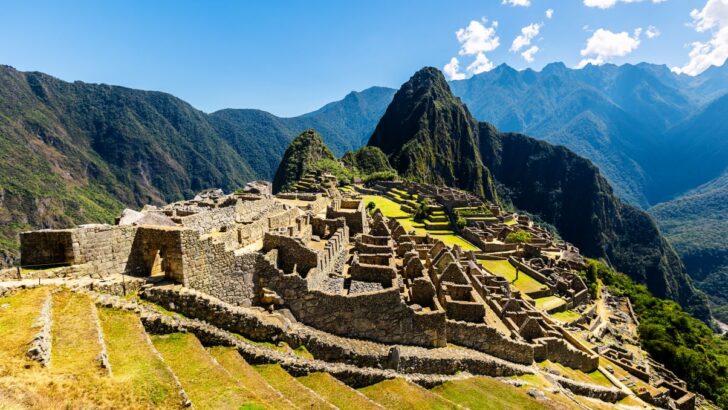
panoramic view Machu Picchu on beautiful @shutterstock
Can you picture yourself wandering through misty Andean villages at sunrise or losing count of how many llamas you photobombed in Peru? If your stomach just did a backflip and not just because you skipped breakfast (guilty) you’re in the right place. Let’s talk practical ways to turn those “maybe someday” moments into bold memories, quirks and all.
Real Talk: Is South America Safe for Beginners in 2025-2026?
If you’re packing your bags and double checking every zipper (I see you, nervous packer), safety is probably on your mind. I remember my first morning solo in Bogotá, standing by an avenue full of peppy street vendors, wondering if I’d look like an obvious tourist. (Pro tip: you probably will, and that’s okay. Just skip the neon fanny pack unless you’re feeling ironic.)
Here’s how you really travel smart in 2025-2026:
- Go With What Locals Trust: Ditch random taxis for apps like Beat or Cabify. In Medellín, I once zigzagged myself out of a potential taxi scam using a ride app. The relief? Palpable.
- Actual Money Moves: Need local cash? Use ATMs inside banks or malls. Once, I tried the lonely ATM on a deserted plaza bad move, unless you enjoy overpriced fees and existential dread.
- Document Dance: Make digital backups of your passport and tickets. The guy ahead of me in Lima’s airport line wasn’t so lucky…and had to call home for a Hail Mary scan.
Sidebar: When in Doubt Eat Like a Local
If you’re wondering what’s safe to eat (spoiler: you’ll eventually try anticuchos), follow the lunchtime crowds. I once ignored this rule in Buenos Aires, lured by empty sidewalk tables. The steak was fine…the regret, not so much. For snacks, you can never go wrong with street empanadas or, on a dare, Inca Kola for that neon yellow sugar rush.
Your 2025-2026 South America Cheat Sheet
| Country | Entry Essentials | Safe City Picks | Handy Travel Apps | Must Try Experience |
| Colombia | Passport, digital health check | Medellín, Cartagena | Beat, Rappi | Salsa lesson in Cali |
| Chile | Proof of vax or recent negative test | Santiago, Valparaíso | Cabify, RedBus | Street art walk in Valpo |
| Argentina | Return ticket, cash (carry USD) | Buenos Aires, Mendoza | Uber, Moovit | Late night tango show |
| Peru | Passport, vax proof, hydration strategy | Cusco, Arequipa | InDriver, Maps.me | Sunrise at Machu Picchu |
Note: Always double check entry rules they can pivot faster than a football player at Copa América.
What I Wish I’d Known Little Things That Matter
Let’s get real. You’ll probably freak out the first time you see ATM lines that rival Disney rides. Locals roll their eyes, swipe their cards, and chat about last night’s soccer match like nothing’s on fire. Join them chat up the person next to you or ask for tips. Travelers love to swap stories (and warnings).
Trying to blend in? Maybe, skip the giant “I ❤️ Machu Picchu” hat. Trust me, you’ll spot more locals in classic Converse sneakers than khaki vests. As for language? Smiling and a well timed “gracias” gets you everywhere. Worst case: gesture wildly, laugh about it, and you might just end up with a secret ceviche spot.
Travel Budget: What Are You Really Paying in 2025-2026?
Luxury backpacks? Sure, you can blow $300 a night in Santiago, but street food lunches hover around $4 USD and a comfy hostel bunk in Lima is about $18 these days. Want to ride intercity buses with AC? Expect $15 40 depending on distance often cheaper and more scenic than planes.
Day trip example: Last May I splurged on a local guide in the Sacred Valley. We bartered over quinoa at the market, hiked ancient terraces, and shared corn snacks for about $40 all in worth every peso, plus a new Facebook friend for life.
Curious About How Locals Celebrate?
Festivals are the heartbeat here. RSVP to Carnaval in Rio or catch an impromptu dance off in Buenos Aires. Last March, I stumbled (literally…those cobbles) into a neighborhood parade in Valparaíso. Left with half my face glittered and a WhatsApp group invite I still don’t understand. Pure joy.
Your 2025-2026 Adventure: Why Assurance Beats Caution
Being cautious isn’t about being timid it’s about owning your journey. Use the ride apps, savor the snacks you can’t pronounce, and keep a healthy dose of “what’s the worst that could happen?” handy.
I once missed my overnight bus to Mendoza and ended up sharing mate with a retired tango dancer instead. Plans change stories last.
Ready for more? Drop your burning questions in the comments or share your “ducked a travel mishap” moments. Trust me, you’ll have good company. South America isn’t just a trip; it’s a full on adventure with assurance built in.
- Expect to see in 2025-2026:
- Digital health declarations (yes, even if COVID feels like ancient history)
- Temperature checks at airports, especially in Colombia, Ecuador
- Hand sanitizer stations everywhere great if you spill hot sauce on your shirt
Street Smarts: Your Superpower in 2025-2026
Gone are the days when all you had to worry about was your cash getting wet in a rainstorm. In 2025-2026, safety is all about blending in, not flashing your iPhone 15 Pro Max near the Plaza de Mayo. Locals spot a tourist faster than you can say “empanada,” but honestly, with a little know how, you’ll dodge trouble like a pro.
- Watch for pickpockets in bigger cities Buenos Aires, Rio, and Santiago are as vibrant as always, but nobody wants their wallet swiped during samba night. I once lost a tube of ChapStick and two pesos in the same evening one was more painful than the other.
- Don’t hop into random “taxis” outside the airport (trust me, that’s how cozy family chats with the local police begin).
- Use brands like Beat or Cabify for rides they’re cheaper than you’d think. An airport trip in Lima cost me less than a Starbucks flat white (which, by the way, is a rip off here; treat yourself to local coffee instead).
Raising the Bar Literally: Road and Air Transport in 2025-2026
Let’s be real: South American transport is often a chaos artform. For 2025-2026, main tourist routes in Argentina, Chile, and Brazil see new investments in bus and rail security. That overnight bus from Cusco to Arequipa? Now it’s got onboard cameras, bag checks, and yes, a snack that tastes suspiciously like cardboard but is weirdly comforting at 3 a.m.
My Pro Packing Tip:
Pack lighter and skip the checked bag. Accidental bag swaps at Lima airport made for the worst morning after a red eye. On the upside, I now own a great poncho I never would have chosen myself.
- Bus terminals and airports now:
- Security gates (airport style, sometimes with more attitude)
- Luggage tags for all bags finally, a way to distinguish your black rolling suitcase from everyone else’s
- Armed guards are more common but not intimidating think more “hall monitor” than “action movie”
Cost Versus Comfort Security Expenses Worth Every Peso
Here’s where your wallet meets reality. Some travelers penny pinch on accommodations. I get it. But in places like Bogotá or Rio, that extra $10 a night for a hotel with a 24 hour security guard is worth its weight in alfajores.
Check out the quick breakdown from last season:
| City | Secure Hotel Night ($)* | Budget Hostel Night ($) | Notable Perks |
| Buenos Aires | 70 | 22 | 24/7 reception, in room safes |
| Bogotá | 62 | 18 | Security guards, gated entrance |
| Lima | 58 | 16 | Free airport shuttle, security cameras |
| Rio | 82 | 24 | In room lockboxes, tourist police in the area |
*approximate, based on 2025-2026 winter rates
If you ask me, splurging here means peace of mind (and usually a better breakfast spread).
Getting Comfortably Uncomfortable
Nobody talks about the weird safety quirks until you face them. Ever listen to a bus driver tell everyone to close their windows before passing certain neighborhoods? Or see “No Drones” signs outside Inca ruins because apparently, llamas don’t appreciate paparazzi? These are the moments you won’t find in glossy tour brochures, but they make for stories you’ll tell for years.
Everyone’s got a nightmare tale, but let’s not let that scare you out of your adventure. South America in 2025-2026 rewards the curious, the flexible, and those who can laugh when things get odd. So pack your patience, trust your instincts, and leave space in your bag for both a bottle of hand sanitizer and maybe, just maybe, a questionable poncho you’ll grow to love.
Got any wild safety stories or lingering questions? Drop them in the comments I might just share the time I accidentally joined a Peruvian wedding procession in Cusco (long story, many confetti).
Traveling to Brazil in 2025-2026: Safety Considerations, Suggested Areas, and Helpful Advice
Aerial view Rio Corcovado mountain sugarloaf @shutterstock
Thinking about hopping on a plane with your trusty carry on and samba ing your way through Brazil in 2025-2026? You’re not alone. I get it Brazil sounds like pure adventure (and yes, the beaches really do look that blue). Here’s what you need to know if you’re new to Brazilian travel or just a little rusty after a few years of “armchair globetrotting.” So let’s talk safety, areas you don’t want to miss, and those quirky local details the guidebooks barely mention.
Helpful Travel Tips:
Alright, let’s talk street smarts Brazilian edition. Ever tried ordering a coxinha at a roadside stall with zero Portuguese? Trust me, confusion is half the fun (and, somehow, you’ll still get lunch). Still, a few tricks keep your trip smooth:
- Blend in (sort of): Leave that flashy camera at home or at least, stash it in your backpack when you’re not using it. Locals dress casual; think Havaianas sandals and breezy tees. I once tried doing Christ the Redeemer in hiking boots and looked like an obvious tourist. Learn from my mistakes.
- Transportation drama? Use ride apps like Uber or 99 (yes, “99”). Flagging random taxis is now the plot of every travel horror story I hear in hostel kitchens.
- Pickpockets love festivals: If you’re heading to Carnaval or any packed event, keep essentials in a money belt preferably one that doesn’t make you sweat through your shirt (looking at you cheap polyester pouches). I now pack a clever travel scarf with a zip pocket my small rebellion against sticky fingered bandits.
Fancy a cheat sheet? Here’s a real life quick compare:
| Situation | My Go To Solution | Rookie Mistake (Don’t Do This) |
| Arriving late at airport | Book an official airport taxi | Roaming for ‘friendly’ offers outside |
| Exploring nightlife | Stay with a group, pre plan ride | Wander alone far from main avenues |
| Day trips in Rio | Join a group or reputable tour | Take random favela “shortcuts” |
Sometimes, basic wit is your best insurance. For example, did you know sunscreen is wildly overpriced in tourist zones? I forgot mine in São Paulo once and paid double at Copacabana… so, pack your own and thank me later.
One more thing don’t skip the health stuff. Brazil’s strict on vaccinations and health regulations (especially for yellow fever). Pack proof or you might find yourself making new friends at airport health stations, missing your first caipirinha. If dealing with digital declarations sounds overwhelming, don’t stress most hostels and hotels will walk you through it, and airport staff are usually patient if you stay friendly.
Onto the neighborhoods and areas where you’ll want to actually unpack those suitcases…
Read more: Top 10 Crazy Things to Do in Rio de Janeiro
Traveling to Colombia in 2025-2026: Safety Insights, Must See Cities, and Suggestions
skyline Cartagena de Indias Colombia Bocagrande @shutterstock
Oh, Colombia… You read the headlines, you hear the legends, and maybe your cool cousin came back raving about the street art in Bogotá or salsa dancing all night in Cali. Want the real scoop on how to do Colombia right in 2025-2026? Pull up a chair let’s get into what makes this country such a stunner, with all the quirks and nitty gritty details you never get from those big box travel magazines.
Recommendations for Your Visit:
If you’ve never stepped foot in Colombia, let me tell you the main cities aren’t just dots on the map. Each one feels like wandering into an entirely new world. So here’s my honest rundown, complete with personal moments and the sweaty palm realities you’ll genuinely appreciate.
Bogotá:
Let’s start at the altitude literally. First time I stepped off the plane in Bogotá, my FitBit thought I’d gone hiking. It sits up pretty high, so take it slow on day one. The Gold Museum is pure magic (spoiler: it’s a lot shinier than the name sounds), and you’ll pat yourself on the back if you brave the cable car up Monserrate. The city is enormous, buzzy, and modern Uber works, most folks use Rappi for food delivery, and there’s Wi Fi almost everywhere. One word to the wise? Dress in layers, and wear shoes you’d trust on a slip and slide.
Medellín:
Still haunted by its TV show rep, but honestly, Medellín is a total 180 from what you’d expect. One morning, I found myself sipping fresh squeezed juice in a leafy park while locals played chess nearby zero drama, all chill. The MetroCable will give you heart stopping views (and sweaty palms if heights aren’t your jam), and El Poblado is perfect if you want coffee shops where you can write your “I quit my job to travel” novel.
Insider callout: Download the Tappsi app. Cabs are fine, but this is easier and safer if you don’t want to play taxi roulette at midnight.
Cartagena:
Cartagena is like opening an Instagram filter and finding it in real life. You’ll melt in the heat (bring electrolytes), but the old city walls, epic sunsets over the Caribbean, and fruit ladies in technicolor dresses are postcard perfect for a reason. Pickpockets love tourists, especially around the clock tower, so sling your bag across your chest and skip the flashy bling.
Cali:
Dancing in public isn’t just encouraged it’s practically a city ordinance. If you’re even half as rhythm impaired as me, try a beginner’s salsa class with locals (Sondeluz is a classic spot think “dirty dancing but with more empanadas”). Most spots take card, but keep a little cash for taxis or bar snacks.
Safety & Street Smarts No Sugarcoating:
Colombia wears its history on its sleeve, but let’s set the record straight: You’re not wandering into a warzone, but, well, you do have to travel smart. Blend in ditch the football jersey and zip up the fanny pack.
Actual story: I once had a wallet cleverly “liberated” from my back pocket while gawking at Botero’s statues in Medellín. Lesson learned keep your bag zipped and never let a stranger help you “wipe off a bird dropping.”
If you’re feeling nervous, stick to daylight hours for city exploring, and get to know your hotel concierge they’re a goldmine of “where not to wander after dark.”
How Much Will You Drop?
Budget travelers (or, in my case, “I just want to eat my way through the street markets” types) get by on $30 50 a day outside major cities, if you’re okay with hostels and eating like a local. For those times you want a private room with an actual hot shower, you’re looking at $60 100 in bigger cities.
Quick cost snapshot (because who doesn’t love a table?):
| City | Hostel Bed/Night | Mid Range Hotel/Night | Avg. Dinner (Local) | Museum Entry |
| Bogotá | $13 | $75 | $6 | $2 4 |
| Medellín | $12 | $70 | $5 | $3 |
| Cartagena | $15 | $110 | $8 | $4 6 |
| Cali | $10 | $60 | $4 | $1 3 |
Currency tip: Most vendors will round up, so smile and let it go it’s usually pennies. (I still owe someone about 200 pesos, sorry Mariela.)
Local Flavor and Musts:
- Try arepas from street vendors at least once (or for every meal, no judgment here).
- If you spot a “frutería,” hit pause and grab fresh juice. Mango biche (green mango with salt and lime) is a rite of passage.
- Sundays in Bogotá: Ciclovía. The main roads close for bikes, runners, rollerbladers, and the bravest of the brave on hoverboards. Join in, even if pedaling leaves you crying inside.
Navigating Entry and Health Rules:
Colombia is big on biosecurity now. Airports often have digital health questionnaires, so download and fill these out the night before your flight (I learned this at 3 AM mid sprint to an airport printer, so learn from my chaos).
Bring proof of routine vaccines, and if you’re heading into the Amazon? Yellow fever shot is a must, though the odds of being asked are about 50 50… I brought my “Carnet de Vacunación,” and it doubled as a useful ice breaker in rural clinics.
Final Pep Talk:
Colombia is the kind of place that rewards curiosity, patience, and the ability to laugh off little slip ups. Missed the bus? There’s probably chicha (fermented corn drink) and a new friend waiting around the corner. Brush up your “buenos días,” pack your sense of humor, and, above all, give yourself permission to experience the unexpected.
Think you’ll give Colombia a try in 2025-2026? Share your questions or trip anxieties below I’ll spill the unedited truth, memes included.
Read more: Best Resorts in the Caribbean for a Romantic Winter Escape
Traveling to Chile in 2025-2026: Safe Locations and Travel Recommendations
Torres Del Paine national park sunset @shutterstock
Thinking about dipping your toes into Chilean adventure for 2025-2026? Let’s crack open the safe spots, local quirks, and real deal travel tips so you can skip the rookie mistakes (looking at you, sunscreen forgotten Patagonia hikers) and focus on enjoying that vibrant South American magic. Honestly, if you’re nervous, I get it “Is it safe?” probably haunts the search bar. You’re not alone! But Chile’s travel scene is looking brighter than ever, so breathe easy.
Useful Guidance:
Let’s dive into the stuff I wish someone told me before my first Chile trip.
- Pick Your Spots Like a Pro:
Santiago, Valparaíso, and the Lake District are your A list picks. In Santiago, neighborhoods like Providencia and Lastarria feel as safe as any hip district in Europe coffee shops every few gates, joggers breezing by at dawn. Valparaíso brings colorful street art and sea breezes but keep an eye out for petty theft near tourist dense markets… To be fair, pickpockets exist everywhere. Pro tip from my second trip: zippered crossbody bags are worth their weight in gold (or, well, pesos).
- Patagonia: Where Even Your Phone Gets a Signal (Sometimes):
Torres del Paine is such a crowd pleaser that, honestly, even your mom’s yoga group trusts the trails now. Most guided groups feel almost silly safe. Budget tip look for shoulder season deals in October or May, when flights from LATAM sometimes dip under $350 roundtrip from Santiago.
- It’s Not Just Cities… The Atacama Desert Feels Like Mars (But With Wi Fi):
San Pedro de Atacama has become a science nerd’s dream with astro tourism join a small group stargazing tour instead of wandering the sand solo. Many hostels even offer free bike rentals to go salt flat spotting. Don’t wander at night without a plan; the desert is…deserty (read: dark and miles from cell service).
So, how do you tell if somewhere’s “safe enough”? I always run this mental checklist:
Are locals out enjoying dinner after nine? Is there a convenience store open and bustling? Do street dogs look fluffy or scrappy? (Okay, that last one is just my thing, but so far it’s oddly reliable.)
Budget Breakdown & Spend Savvy Hints:
| Category | Typical Cost (USD) | Pro Tip |
| Hostel, per night | $15–$30 | Look for HI Hostels, great for solo travelers. |
| Mid range meal | $10–$18 | Try Menu del Día for lower prices sometimes dessert’s included. |
| Entry: National Park | $30–$40 | Check for free entry dates yes, they exist! |
| Taxi/ride share | $5–$15 (city cross) | Stick with Cabify or Uber, especially at night. |
Run into hiccups with credit cards? Yep, been there bring a backup Visa, and have a little cash handy for rural areas. Chile’s surprisingly card friendly for South America, but the further south you get, the grumpier card readers seem.
Blending in & Dodging Pitfalls:
If you hop out in shorts and a Patagonia vest, you’ll fit in just fine…in a Patagonia catalog. Locals tend to layer think colorful scarves, stylish sweaters (bonus: you’re ready for the wild microclimates).
Visit a feria (outdoor market) in Santiago and you’ll see Chileans shop with reusable bags and no fuss practicality. I tried haggling for strawberries. Didn’t work but I did get a lesson in local slang. ¡Dale!
Watch your phone in crowded metros and bus terminals snatchers love distracted tourists scrolling for empanada recommendations. Pro tip: Download an offline map before landing. Google Maps is great, but Maps.me saves lives (or, at least, vacation sanity) in patchy Patagonia signal zones.
Health & Entry The 2025-2026 Edition:
- Chile is still riding its rep as a vax leader, so expect high cleanliness standards in hotels and major sights
- Most likely: proof of vaccination or recent negative test. In 2025-2026, I breezed through customs with a digital health form and a friendly inspector who wanted to know if I’d seen the “real” Easter Island moai. (I had. It’s life changing)
- Double check your travel insurance covers adventure sports kayaking and glacier hikes aren’t always in the fine print!
Taste Tests & Must See Moments
Can you leave Chile without trying pastel de choclo? Not on my watch. Neighborhood joints serve local plates think casseroles, seafood, and enough avocado to fuel a millennial brunch.
Be sure to book a walking food tour if you want the lowdown on which pisco sour actually deserves to be called the “best” locals have STRONG opinions.
And finally, if you’re ever caught in a downpour in Puerto Varas without a rain jacket, just remember: you’re not being “touristy,” you’re being “weather adventurous.” (That soggy socks feeling, though? Bring backup.)
So, are you feeling Chile ready yet? Grab your thermal layers and your sense of humor. Chile in 2025-2026 is all about exploring boldly, living curiously, and let’s be honest snapping that perfect selfie with a llama or three… because, well, why not?
Traveling to Argentina in 2025-2026: Where to Visit and Cautionary Tips
Llao hotel San Carlos de Bariloche @shutterstock
Let’s be honest traveling to Argentina in 2025-2026 is like jumping onto a moving tango floor. Everything’s vibrant, there’s a pulse of excitement, and if you don’t watch your step, you can land on the wrong beat. So, what should you check out, and what should you watch for? Grab your mate both the drink and the friend for this ride…
Where to Visit: Classic Spots with a Twist
First things first: you want Argentina’s wild mix of iconic stops and hidden corners. Buenos Aires always steals the show. You’ll stumble into a European vibe but with more street art, late night empanadas, and the occasional impromptu fútbol celebration (I learned quickly not to wear a River Plate jersey in Boca rookie mistake). Palermo’s got hipster bars, dreamy bookstores (El Ateneo screams “Instagram me!”), and steakhouses where you’ll eat enough bife de chorizo to consider a gym membership.
Patagonia yes, it’s as epic as your friend who never stops posting glacier selfies claims. From Bariloche’s chocolate shops (seriously, Mamuschka ruined regular chocolate for me) to trekking in El Chaltén, you get alpine lakes, snowy peaks, and a shivering reminder that layering isn’t just for style. If whales are your thing, Puerto Madryn is your answer. If haunting but beautiful desolation is more your flavor, Salta in the northwest offers landscapes that’ll upend your definition of “desert” and “wine country” at the same time.
On a tighter budget? Take advantage of the government’s new free entry days for national parks and museums. I wandered into Museo Nacional de Bellas Artes for free the only thing pricier than the art was my craving for a choripán on the walk back.
Quick reference on hot spots and quirks:
| Region | Must See | Unique Story/Local Color | Pro Tip |
| Buenos Aires | San Telmo Markets | Tango on cobbled streets | Watch your pockets, amigo |
| Patagonia (Bariloche) | Circuito Chico | Lakes so blue you’ll think it’s a filter | Bring windproof everything |
| Mendoza | Vineyards | Malbec tastings among the Andes | Rent a bike, pace yourself |
| Iguazu Falls | Devil’s Throat | The thunder will wake your soul | Go early, gets jam packed |
| Salta & Jujuy | Hill of Seven Colors | Rainbow mountains (Instagram FLEX) | Take it slow high altitude |
Don’t skip Rosario if you want to brag about visiting Messi’s hometown. Just don’t expect to become a soccer legend overnight I learned it the hard way with sore legs and a bruised ego from a pickup game.
Crucial Advice:
Alright, so… what should you be careful of while doing your best Evita impression on a BA balcony? Argentina, like any place with flair, comes with a few plot twists.
Money and Cards: Cash is STILL king. Yes, you’ll see Visa and Mastercard stickers, but try swiping in a barrio café and you’ll get the look. Bring USD best rates at casas de cambio (exchange houses), not at airport kiosks. Pro tip? The “dólar blue” rate can save you a lunch’s worth every time you exchange (but always use reputable places, not the guy who whispers “cambio cambio” at the bus stop).
Safety: Buenos Aires is relatively safe for a capital, but pickpockets are Olympic level near tourist crowds. I once got distracted watching tango in San Telmo, and my phone nearly got a new owner. Keep bags zipped, phones deep, and do NOT flash fancy brands Argentina loves fútbol jerseys more than designer bags anyway.
Transport: Long distance buses (the “micros”) are comfy and cost effective, but book in advance on weekends locals travel for fútbol, national holidays, or just because. If you pick trains… well, let’s just say patience is required. Within cities, rideshare apps (Uber, Cabify) are more predictable than hailing a cab. Tip: ALWAYS check the license plate matches your app fake taxis are a thing.
Cultural Quirks: Argentinians are late to EVERYTHING. Dinner at 9 p.m. is early. If you get invited to an asado, bring good wine and be ready to eat enough meat to question your life choices. On my last visit, I learned you’re not “truly local” until you’ve spent twenty minutes debating the perfect yerba mate preparation or gotten scolded for putting sugar in your mate (but hey, you do you).
Here’s a sidebar for the “Oops, I wish I’d known that” moments:
Quick Calls for Caution:
- Don’t rely on public Wi Fi for banking cybercrime is low key but persistent.
- Expect last minute transport strikes; keep your plans flexible (and save a cab app for emergencies).
- Summers in Buenos Aires? Hot, humid, and sometimes mosquito infested. Bring repellent, and maybe a towel for the inevitable sweat session.
Budget Watch: Inflation here is a roller coaster, and prices can change faster than you can say “peso crisis.” Double check hotel rates close to your arrival, and try not to prepay months in advance unless you’re locked at a good rate.
Sometimes, all the quirks and bumps can make Argentina feel like a test… but then you’re standing above Iguazu Falls with rainbow spray on your jacket or sharing a sunset mate with new friends and you realize yep, this is what adventure tastes like.
So go ahead, bring your curiosity, your appetite, and… maybe leave the flashy watch at home. Your story in Argentina will write itself (with a few unpredictable plot twists). Got questions or a funny “oops” moment to share? Drop a comment below I might have been there, too.
Traveling to Peru in 2025-2026: Safety Measures, Attractions, and Travel Suggestions
Lima Peru Plaza De @shutterstock
Let’s talk Peru for 2025-2026. If you’ve ever scrolled past those lush green Machu Picchu shots thinking, “Can I see that in real life?” well, spoiler alert, you totally can. With the world slowly finding its travel groove again, Peru has stepped up to earn a rep as a safe, genuinely welcoming place for explorers… even if your Spanish starts and stops at “gracias” and “dónde está el baño.”
Important Recommendations:
So you want to land at Lima airport and not look like a total rookie? Here’s some travel tested advice (because goodness knows, I wish someone had told me half of this stuff before my first trip).
1. Safety and Health Peruvian Edition
Do people still wear masks? Will you need to wave a digital vaccine pass before you get your first pisco sour? Good questions.
Peru’s still pretty hot on pandemic protocols there’s talk of proof of vaccination or a negative test at the border, especially if a new variant pops up. Don’t be shocked if someone busts out a thermometer at the Cusco airport like you’re entering a top secret club. It’s part of the WTTC Safe Travels Stamp program, which means Peru’s playing ball with global safety standards.
And pro tip: medical insurance is non negotiable for Ecuador and strongly recommended elsewhere in the region. Here’s a trick brands like World Nomads or SafetyWing offer packages under $60 for two weeks, so you can skip the “I thought my credit card covered that” panic.
2. Must See Attractions (and a Few Curveballs)
Machu Picchu? Obviously. But what about the Sacred Valley towns where llamas basically pose for selfies? Or Paracas, where sea lions outnumber locals?
Here’s a quick bite sized itinerary:
- Lima for food (I’d sell my hiking boots for another meal at Central)
- Arequipa for that white volcanic architecture you keep seeing on Instagram
- Lake Titicaca if you like the idea of sleeping on a floating island (warning: the beds are firm bring a back up granola bar for morale)
- Cusco as your hiking home base
Not sold on the classics? Hit up Iquitos. There’s a direct flight from Cusco now no boat, no drama, just full Amazonian immersion. And thanks to a recent government push, entry to a bunch of archaeological sites and museums is still free on certain days. Score one for your wallet.
3. Money, Movement, and Not Getting Lost
Cash is king pretty much everywhere outside bigger cities. Pro tip: download the Yape or Plin app if you have a Peruvian SIM (I recharged my phone using a dodgy WiFi connection in Puno and felt like an absolute tech wizard).
For buses, Cruz del Sur is the brand locals trust; for trains to Machu Picchu, PeruRail is your go to. Avoid the last minute rush by booking tickets at least a week ahead, especially for those coveted sunrise shots at the Inca citadel.
4. Local Life: Blend In, Don’t Stand Out (Too Much)
Try a chullo hat. It screams “tourist” but it also keeps your ears warm at altitude win win. When in Cusco’s San Pedro Market, channel your inner local. I once ordered ceviche and ended up sharing a table with three abuelas who kept quizzing me on fútbol (I scored zero goals but got lots of smiles).
Always greet with a cheerful “¡Buenos días!” and keep small change handy for market snacks… or bribes for particularly grumpy llamas.
5. Pitfalls You’ll Want to Sidestep
Altitude sickness is real don’t be the hero who skips acclimatization because a blog said it’s “overblown.” I met a guy who spent his first Machu Picchu morning bonding with a pharmacy instead of the Inca Trail.
Watch your stuff on packed colectivos (local minibuses). Tuck your phone and wallet away, and if in doubt, channel your grandma’s crossbody purse energy.
Quick Wins For Peru Newbies:
- Schedule buffer days in Cusco for altitude adjustment. Trust me on this.
- Book museum and Machu Picchu tickets the moment your flight’s confirmed, not a week before you go.
- Stay hydrated but use bottled water even in big hotels. One sip of tap water = one memorable (and not in a good way) trip.
- Dress in layers the sun can roast you at lunch and turn your hands to popsicles by dinner.
If you get lost, ask a local teen to point you in the right direction. Most speak at least some English thanks to TikTok and K pop videos, and they love the chance to share their city.
Ready for a real slice of adventure? Let Peru surprise you. You might go for the ruins, but you’ll stay for the warmth and maybe the empanadas.
Guidelines for Safe and Enjoyable Travel in South America
famous beautiful peak Cerro Torre Patagonia @shutterstock
Ever find yourself standing in the middle of a bustling bus terminal in Lima or reluctantly playing Tetris with your duffel bag on a rickety Mendoza overnight coach? If you’re nodding, trust me, you’re not alone. South America throws you into the deep end of “creative problem solving,” but here’s the kicker it’s wild fun if you’re prepared. Let’s break down the mix of street smarts, local flair, and rookie proof hacks you’ll want in your back pocket (bonus points if your pocket zips…pickpockets are very much a thing).
Blend in… or at least try:
So you don’t want to stick out like a neon llama at an Andean market. Resist the urge to wear your “MACHU PICCHU 2023” tee or keep your camera dangling out. Opt for muted clothes trust me, my bright red sneakers got more attention than a street performer in Medellín’s Parque Lleras. When in doubt, channel “respectful extra in a telenovela” vibes.
Cash isn’t just king he’s emperor:
While bigger cities like Santiago or Buenos Aires let you tap your phone for coffee, cash rules the dusty roads beyond. Pesos, soles, reals…pick your flavor. I always stash a few bills in a sock yes, I learned the hard way after an ATM in Cusco blinked out mid transaction. ATMs like to nap, especially on weekends. Pro tip: ask your hostel receptionist about the town’s most reliable ATM…they know.
Shady taxis are so 2019:
Download ride apps like Cabify or Uber (when they’re legal Colombia has the “is it legal today?” taxi game). In Buenos Aires, stick with Radio Taxi strangely, their sticker is more legit than an actual badge sometimes. I once paid triple for a cab in Rio’s Galeão airport definitely didn’t enjoy that, but hey, lesson learned.
Eat Like a Local (Your Stomach Will Thank You):
Skip the hotel buffet. Hop into a market and try empanadas fresh off the grill or a patacón in Cali so much flavor, none of the mystery mayonnaise. Street food looks tempting (that late night choripán in Córdoba? Bliss. The ceviche on a hot afternoon in Lima? Divine!), but check for busy stalls locals know who’s clean and who’ll have you regretting your life choices at 3 a.m.
Keep your docs digital and physical:
I know, printing is so 2008, but bureaucracy is alive and well down south. Have passports, visas, and vax cards BOTH in the cloud (Google Drive, Dropbox, you name it) and tucked in your backpack. I once saved a trip by showing a phone scan to a skeptical border guard in Chile when my printout got soaked in a rainstorm. Always have backups.
Don’t forget that tap water’s a gamble:
Outside big cities in Chile or Argentina, think twice. Bottled or filtered is your friend. I carried a Grayl purifier on the Inca Trail, and not only did it save $$$ it spared me some, uh, desperate runs behind big boulders. Your gut will thank you.
Mini mishap survival kit for the win:
Stuff a mini first aid kit, hand sanitizer, sunscreen (SUN? At 10,000 feet? It’s not playing around), and tissues in your daypack. In remote Patagonia, toilet paper is a sometimes luxury. Throw in painkillers and altitude pills for good measure. I learned this after battling altitude sickness in Cusco, where chewing coca leaves started to look like a dessert course.
Be streetwise, not street paranoid:
Panama hats off to all brave independent travelers, but don’t tempt fate. Avoid walking with your phone out, especially after sunset in city centers. Walk confidently, plan your route, and check with your hostel staff about sketchy areas. FOMO is real, but so is safety.
Quick Insight: In a 2025-2026 survey across South America’s top cities, travelers reported the following pain points:
| Scenario | % Impacted |
| ATM outages/limited access | 22% |
| Petty theft & pickpocketing | 19% |
| Food related stomach woes | 15% |
| Unexpected schedule changes | 13% |
| Language barriers | 11% |
Reading that, you might wonder: is it worth it? Absolutely if you love adventure, big hearted locals, and stories worth retelling (and oversharing on Instagram). Plus, you’ll never eat boring bread again after a week of Brazilian pão de queijo.
Ready for a real talk moment?
The best travel insurance is curiosity plus a photo copy of your passport, a reliable translation app (shoutout to Google Translate’s offline mode), a dash of humility, and the confidence to ask a friendly abuelita for directions. Don’t worry if your Spanish is more “Dora the Explorer” than fluent locals love a trier.
Have a question, want to swap stories, or still trying to figure out the mystique of Argentine bus schedules? Drop your thoughts below! Because in South America, sharing wisdom is half the fun … and you never know you might get your next adventure tip from a travel buddy right here.
Keep that wanderlust alive and remember, every awkward misstep is a new story for the group chat.
Get Ready for an Unforgettable South America Experience in 2025-2026: Travel with Assurance
panoramic view Machu Picchu on beautiful @shutterstock
Can you picture yourself wandering through misty Andean villages at sunrise or losing count of how many llamas you photobombed in Peru? If your stomach just did a backflip and not just because you skipped breakfast (guilty) you’re in the right place. Let’s talk practical ways to turn those “maybe someday” moments into bold memories, quirks and all.
Real Talk: Is South America Safe for Beginners in 2025-2026?
If you’re packing your bags and double checking every zipper (I see you, nervous packer), safety is probably on your mind. I remember my first morning solo in Bogotá, standing by an avenue full of peppy street vendors, wondering if I’d look like an obvious tourist. (Pro tip: you probably will, and that’s okay. Just skip the neon fanny pack unless you’re feeling ironic.)
Here’s how you really travel smart in 2025-2026:
- Go With What Locals Trust: Ditch random taxis for apps like Beat or Cabify. In Medellín, I once zigzagged myself out of a potential taxi scam using a ride app. The relief? Palpable.
- Actual Money Moves: Need local cash? Use ATMs inside banks or malls. Once, I tried the lonely ATM on a deserted plaza bad move, unless you enjoy overpriced fees and existential dread.
- Document Dance: Make digital backups of your passport and tickets. The guy ahead of me in Lima’s airport line wasn’t so lucky…and had to call home for a Hail Mary scan.
Sidebar: When in Doubt Eat Like a Local
If you’re wondering what’s safe to eat (spoiler: you’ll eventually try anticuchos), follow the lunchtime crowds. I once ignored this rule in Buenos Aires, lured by empty sidewalk tables. The steak was fine…the regret, not so much. For snacks, you can never go wrong with street empanadas or, on a dare, Inca Kola for that neon yellow sugar rush.
Your 2025-2026 South America Cheat Sheet
| Country | Entry Essentials | Safe City Picks | Handy Travel Apps | Must Try Experience |
| Colombia | Passport, digital health check | Medellín, Cartagena | Beat, Rappi | Salsa lesson in Cali |
| Chile | Proof of vax or recent negative test | Santiago, Valparaíso | Cabify, RedBus | Street art walk in Valpo |
| Argentina | Return ticket, cash (carry USD) | Buenos Aires, Mendoza | Uber, Moovit | Late night tango show |
| Peru | Passport, vax proof, hydration strategy | Cusco, Arequipa | InDriver, Maps.me | Sunrise at Machu Picchu |
Note: Always double check entry rules they can pivot faster than a football player at Copa América.
What I Wish I’d Known Little Things That Matter
Let’s get real. You’ll probably freak out the first time you see ATM lines that rival Disney rides. Locals roll their eyes, swipe their cards, and chat about last night’s soccer match like nothing’s on fire. Join them chat up the person next to you or ask for tips. Travelers love to swap stories (and warnings).
Trying to blend in? Maybe, skip the giant “I ❤️ Machu Picchu” hat. Trust me, you’ll spot more locals in classic Converse sneakers than khaki vests. As for language? Smiling and a well timed “gracias” gets you everywhere. Worst case: gesture wildly, laugh about it, and you might just end up with a secret ceviche spot.
Travel Budget: What Are You Really Paying in 2025-2026?
Luxury backpacks? Sure, you can blow $300 a night in Santiago, but street food lunches hover around $4 USD and a comfy hostel bunk in Lima is about $18 these days. Want to ride intercity buses with AC? Expect $15 40 depending on distance often cheaper and more scenic than planes.
Day trip example: Last May I splurged on a local guide in the Sacred Valley. We bartered over quinoa at the market, hiked ancient terraces, and shared corn snacks for about $40 all in worth every peso, plus a new Facebook friend for life.
Curious About How Locals Celebrate?
Festivals are the heartbeat here. RSVP to Carnaval in Rio or catch an impromptu dance off in Buenos Aires. Last March, I stumbled (literally…those cobbles) into a neighborhood parade in Valparaíso. Left with half my face glittered and a WhatsApp group invite I still don’t understand. Pure joy.
Your 2025-2026 Adventure: Why Assurance Beats Caution
Being cautious isn’t about being timid it’s about owning your journey. Use the ride apps, savor the snacks you can’t pronounce, and keep a healthy dose of “what’s the worst that could happen?” handy.
I once missed my overnight bus to Mendoza and ended up sharing mate with a retired tango dancer instead. Plans change stories last.
Ready for more? Drop your burning questions in the comments or share your “ducked a travel mishap” moments. Trust me, you’ll have good company. South America isn’t just a trip; it’s a full on adventure with assurance built in.
Travel Overview

Hike Perito Moreno national park Argentina @shutterstock
Let’s pull back the curtain and get candid about what it’s actually like to navigate South America in 2025-2026. So, you’re gearing up for your first time in the Southern Hemisphere? Maybe you’re dreaming about sipping yerba mate in Buenos Aires or you keep seeing epic Machu Picchu selfies on your feed and wonder, “Could I actually make this happen?” Trust me, you’re not alone. I was there myself not too long ago lost somewhere between comparing LATAM airfare hacks and frantically googling, “Do I need a visa for Brazil if I just want to see the Christ statue and eat my body weight in pão de queijo?” Spoiler: You might. Things have changed… and then changed again.
Picture yourself at the Bogotá airport, your phone blowing up with boarding pass notifications except now everything feels smoother than your last attempt to download a boarding pass in Miami. Talk about a glow up for South American travel infrastructure. Since 2021, the region’s really doubled down on flexibility. Countries like Chile and Argentina saw huge improvements in entry requirements. Chile, for example, ditched its “Protected Borders Plan” recently cue collective sighs of relief from adventure junkies who just want to hike in Torres del Paine without feeling like they’re prepping for a moon landing.
About that pesky “Can I get in?” question. Yes, there are still little wrinkles. Brazil recently brought back visa requirements for travelers from four countries raise your hand if you just updated your passport after a global pandemic and now you’re googling consulate appointments. The rest of the big name destinations (I see you, Colombia and Peru) seem to be embracing this “open door but check our biosecurity cert” energy. Not exactly the Wild West, but you’ll want to double check your paperwork (and triple check your yellow fever vaccines).
Let’s break it down with some on the ground user wisdom. Last July, I met an Aussie backpacker at a hostel in Lima who raved about the free entry programs for historic sites. Picture this: one week, you go full Indiana Jones exploring Inca ruins gratis… the next, you’re calculating how much you saved to justify splurging on ceviche by the beach. Quick tip from a pro (aka me after learning the hard way): Always check if museums or parks run free admission days a godsend for long term travelers or anyone channeling “budget boss” vibes.
Time for a reality check though travel in South America isn’t all glamorous Instagram shots. You might hit a few snags with transport. Local airlines like SKY are on the comeback trail but can you count on your flight not getting rescheduled? Let’s just say… patience is your new carry on. Still, the region is making moves. Major events sporting, cultural, the works are popping up left and right. 2025’s calendar is stacked (think Rio Carnival, massive fútbol showdowns, literary festivals that make Paraty feel like South America’s answer to Edinburgh.)
Oh, and for my fellow foodies don’t just stick to the tourist traps. Hunt down those local eats: Bolivian salteñas that stain your fingers orange, Brazilian moqueca that makes your kitchen back home seem very disappointing, and all the empanadas in Argentina trust me, you don’t want to miss these. I still remember nearly missing a flight from Córdoba because I “needed” to try one more slice of fugazzeta pizza.
Here’s the big takeaway: South America in 2025-2026 is a blend of epic adventures and some good old fashioned unpredictability. Your key tools? Roll with the punches, stay informed (those air border updates come in hot), and channel a little resourcefulness. Think of it like building your own travel mixtape sometimes there’s a surprise track, but that’s half the fun.
Insider Sidebar:
If you’re looking for value: Argentina’s legendary peso swings can make for amazing deals (did you see it was ranked top 10 for high level tourism?), and Peru’s free monument days are clutch. Colombia, meanwhile, keeps it approachable and safe, thanks to those biosecurity measures you keep reading about in the news. Pro tip: Download a good translation app, learn a few local phrases, and bring more patience than you think you’ll need. You’ll come home with way better stories.
So, what now? Grab your journal, jot down your dream destinations, and imagine yourself hopping borders, trying new foods, and maybe just maybe finding your own “I can’t believe this happened” story along the way. If you’ve got travel jitters: trust me, you’re not the only one nervously checking baggage rules at 2 AM. We’ve all been there. Ask questions, dream big, and remember South America is ready if you are.
Read more: Top 10 Best Things to Do in Rio de Janeiro at Night
South America’s Safety Landscape: What to Anticipate in 2025-2026
Colombia Cobblestone street @shutterstock
So, you’re thinking about packing your bags and heading to South America next year? Maybe your friends keep warning you with those famous “But is it safe?” texts as soon as you drop the word “Colombia” into the group chat. I get it. The safety landscape down here really is a rollercoaster sometimes the “woohoo!” hands in the air kind, sometimes the white knuckle “what did I get myself into?” ride. Strap in. Let’s dig into what you REALLY need to know for 2025-2026 (no sugarcoating, scout’s honor).
No, You Don’t Need a Crystal Ball Just Stay Updated!
Here’s something I learned the hard way: you don’t need psychic powers to predict safety in South America, but you do need a decent WiFi connection. Governments update rules on the fly sometimes mid flight (yes, I got that surprise notification while sandwiched between two backpackers in Lima International). For 2026, most countries are sticking with those relaxed entry requirements from late 2025, but Peru’s Ministry of Culture still tends to drop curveballs like announcing free entry to Machu Picchu on random Tuesdays.
Hot Tip: Download local news apps, or just follow the embassies on X (nobody even calls it Twitter anymore, right?). They drop real time updates about protests, weather alerts, or that one time Chile closed an entire border for a llamas’ marathon (just kidding… I think).
Biosecurity: Colombia’s Not Just Playing the Cool Cousin
Colombia, ever the trendsetter, keeps holding onto its “tourism biosecurity certification” like it’s the last piece of tres leches at a family party. The upside? Hotels actually follow those cleanliness rules. The downside? You might find yourself filling out digital health forms when all you really want is an arepa for breakfast.
From personal experience: in Medellín, I booked a hostel that swore by “biosecurity.” My roommate wore a face mask IN THE SHOWER. Awkward? Yes. Secure? …I hope so.
- Expect to see in 2025-2026:
- Digital health declarations (yes, even if COVID feels like ancient history)
- Temperature checks at airports, especially in Colombia, Ecuador
- Hand sanitizer stations everywhere great if you spill hot sauce on your shirt
Street Smarts: Your Superpower in 2025-2026
Gone are the days when all you had to worry about was your cash getting wet in a rainstorm. In 2025-2026, safety is all about blending in, not flashing your iPhone 15 Pro Max near the Plaza de Mayo. Locals spot a tourist faster than you can say “empanada,” but honestly, with a little know how, you’ll dodge trouble like a pro.
- Watch for pickpockets in bigger cities Buenos Aires, Rio, and Santiago are as vibrant as always, but nobody wants their wallet swiped during samba night. I once lost a tube of ChapStick and two pesos in the same evening one was more painful than the other.
- Don’t hop into random “taxis” outside the airport (trust me, that’s how cozy family chats with the local police begin).
- Use brands like Beat or Cabify for rides they’re cheaper than you’d think. An airport trip in Lima cost me less than a Starbucks flat white (which, by the way, is a rip off here; treat yourself to local coffee instead).
Raising the Bar Literally: Road and Air Transport in 2025-2026
Let’s be real: South American transport is often a chaos artform. For 2025-2026, main tourist routes in Argentina, Chile, and Brazil see new investments in bus and rail security. That overnight bus from Cusco to Arequipa? Now it’s got onboard cameras, bag checks, and yes, a snack that tastes suspiciously like cardboard but is weirdly comforting at 3 a.m.
My Pro Packing Tip:
Pack lighter and skip the checked bag. Accidental bag swaps at Lima airport made for the worst morning after a red eye. On the upside, I now own a great poncho I never would have chosen myself.
- Bus terminals and airports now:
- Security gates (airport style, sometimes with more attitude)
- Luggage tags for all bags finally, a way to distinguish your black rolling suitcase from everyone else’s
- Armed guards are more common but not intimidating think more “hall monitor” than “action movie”
Cost Versus Comfort Security Expenses Worth Every Peso
Here’s where your wallet meets reality. Some travelers penny pinch on accommodations. I get it. But in places like Bogotá or Rio, that extra $10 a night for a hotel with a 24 hour security guard is worth its weight in alfajores.
Check out the quick breakdown from last season:
| City | Secure Hotel Night ($)* | Budget Hostel Night ($) | Notable Perks |
| Buenos Aires | 70 | 22 | 24/7 reception, in room safes |
| Bogotá | 62 | 18 | Security guards, gated entrance |
| Lima | 58 | 16 | Free airport shuttle, security cameras |
| Rio | 82 | 24 | In room lockboxes, tourist police in the area |
*approximate, based on 2025-2026 winter rates
If you ask me, splurging here means peace of mind (and usually a better breakfast spread).
Getting Comfortably Uncomfortable
Nobody talks about the weird safety quirks until you face them. Ever listen to a bus driver tell everyone to close their windows before passing certain neighborhoods? Or see “No Drones” signs outside Inca ruins because apparently, llamas don’t appreciate paparazzi? These are the moments you won’t find in glossy tour brochures, but they make for stories you’ll tell for years.
Everyone’s got a nightmare tale, but let’s not let that scare you out of your adventure. South America in 2025-2026 rewards the curious, the flexible, and those who can laugh when things get odd. So pack your patience, trust your instincts, and leave space in your bag for both a bottle of hand sanitizer and maybe, just maybe, a questionable poncho you’ll grow to love.
Got any wild safety stories or lingering questions? Drop them in the comments I might just share the time I accidentally joined a Peruvian wedding procession in Cusco (long story, many confetti).
Traveling to Brazil in 2025-2026: Safety Considerations, Suggested Areas, and Helpful Advice
Aerial view Rio Corcovado mountain sugarloaf @shutterstock
Thinking about hopping on a plane with your trusty carry on and samba ing your way through Brazil in 2025-2026? You’re not alone. I get it Brazil sounds like pure adventure (and yes, the beaches really do look that blue). Here’s what you need to know if you’re new to Brazilian travel or just a little rusty after a few years of “armchair globetrotting.” So let’s talk safety, areas you don’t want to miss, and those quirky local details the guidebooks barely mention.
Helpful Travel Tips:
Alright, let’s talk street smarts Brazilian edition. Ever tried ordering a coxinha at a roadside stall with zero Portuguese? Trust me, confusion is half the fun (and, somehow, you’ll still get lunch). Still, a few tricks keep your trip smooth:
- Blend in (sort of): Leave that flashy camera at home or at least, stash it in your backpack when you’re not using it. Locals dress casual; think Havaianas sandals and breezy tees. I once tried doing Christ the Redeemer in hiking boots and looked like an obvious tourist. Learn from my mistakes.
- Transportation drama? Use ride apps like Uber or 99 (yes, “99”). Flagging random taxis is now the plot of every travel horror story I hear in hostel kitchens.
- Pickpockets love festivals: If you’re heading to Carnaval or any packed event, keep essentials in a money belt preferably one that doesn’t make you sweat through your shirt (looking at you cheap polyester pouches). I now pack a clever travel scarf with a zip pocket my small rebellion against sticky fingered bandits.
Fancy a cheat sheet? Here’s a real life quick compare:
| Situation | My Go To Solution | Rookie Mistake (Don’t Do This) |
| Arriving late at airport | Book an official airport taxi | Roaming for ‘friendly’ offers outside |
| Exploring nightlife | Stay with a group, pre plan ride | Wander alone far from main avenues |
| Day trips in Rio | Join a group or reputable tour | Take random favela “shortcuts” |
Sometimes, basic wit is your best insurance. For example, did you know sunscreen is wildly overpriced in tourist zones? I forgot mine in São Paulo once and paid double at Copacabana… so, pack your own and thank me later.
One more thing don’t skip the health stuff. Brazil’s strict on vaccinations and health regulations (especially for yellow fever). Pack proof or you might find yourself making new friends at airport health stations, missing your first caipirinha. If dealing with digital declarations sounds overwhelming, don’t stress most hostels and hotels will walk you through it, and airport staff are usually patient if you stay friendly.
Onto the neighborhoods and areas where you’ll want to actually unpack those suitcases…
Read more: Top 10 Crazy Things to Do in Rio de Janeiro
Traveling to Colombia in 2025-2026: Safety Insights, Must See Cities, and Suggestions
skyline Cartagena de Indias Colombia Bocagrande @shutterstock
Oh, Colombia… You read the headlines, you hear the legends, and maybe your cool cousin came back raving about the street art in Bogotá or salsa dancing all night in Cali. Want the real scoop on how to do Colombia right in 2025-2026? Pull up a chair let’s get into what makes this country such a stunner, with all the quirks and nitty gritty details you never get from those big box travel magazines.
Recommendations for Your Visit:
If you’ve never stepped foot in Colombia, let me tell you the main cities aren’t just dots on the map. Each one feels like wandering into an entirely new world. So here’s my honest rundown, complete with personal moments and the sweaty palm realities you’ll genuinely appreciate.
Bogotá:
Let’s start at the altitude literally. First time I stepped off the plane in Bogotá, my FitBit thought I’d gone hiking. It sits up pretty high, so take it slow on day one. The Gold Museum is pure magic (spoiler: it’s a lot shinier than the name sounds), and you’ll pat yourself on the back if you brave the cable car up Monserrate. The city is enormous, buzzy, and modern Uber works, most folks use Rappi for food delivery, and there’s Wi Fi almost everywhere. One word to the wise? Dress in layers, and wear shoes you’d trust on a slip and slide.
Medellín:
Still haunted by its TV show rep, but honestly, Medellín is a total 180 from what you’d expect. One morning, I found myself sipping fresh squeezed juice in a leafy park while locals played chess nearby zero drama, all chill. The MetroCable will give you heart stopping views (and sweaty palms if heights aren’t your jam), and El Poblado is perfect if you want coffee shops where you can write your “I quit my job to travel” novel.
Insider callout: Download the Tappsi app. Cabs are fine, but this is easier and safer if you don’t want to play taxi roulette at midnight.
Cartagena:
Cartagena is like opening an Instagram filter and finding it in real life. You’ll melt in the heat (bring electrolytes), but the old city walls, epic sunsets over the Caribbean, and fruit ladies in technicolor dresses are postcard perfect for a reason. Pickpockets love tourists, especially around the clock tower, so sling your bag across your chest and skip the flashy bling.
Cali:
Dancing in public isn’t just encouraged it’s practically a city ordinance. If you’re even half as rhythm impaired as me, try a beginner’s salsa class with locals (Sondeluz is a classic spot think “dirty dancing but with more empanadas”). Most spots take card, but keep a little cash for taxis or bar snacks.
Safety & Street Smarts No Sugarcoating:
Colombia wears its history on its sleeve, but let’s set the record straight: You’re not wandering into a warzone, but, well, you do have to travel smart. Blend in ditch the football jersey and zip up the fanny pack.
Actual story: I once had a wallet cleverly “liberated” from my back pocket while gawking at Botero’s statues in Medellín. Lesson learned keep your bag zipped and never let a stranger help you “wipe off a bird dropping.”
If you’re feeling nervous, stick to daylight hours for city exploring, and get to know your hotel concierge they’re a goldmine of “where not to wander after dark.”
How Much Will You Drop?
Budget travelers (or, in my case, “I just want to eat my way through the street markets” types) get by on $30 50 a day outside major cities, if you’re okay with hostels and eating like a local. For those times you want a private room with an actual hot shower, you’re looking at $60 100 in bigger cities.
Quick cost snapshot (because who doesn’t love a table?):
| City | Hostel Bed/Night | Mid Range Hotel/Night | Avg. Dinner (Local) | Museum Entry |
| Bogotá | $13 | $75 | $6 | $2 4 |
| Medellín | $12 | $70 | $5 | $3 |
| Cartagena | $15 | $110 | $8 | $4 6 |
| Cali | $10 | $60 | $4 | $1 3 |
Currency tip: Most vendors will round up, so smile and let it go it’s usually pennies. (I still owe someone about 200 pesos, sorry Mariela.)
Local Flavor and Musts:
- Try arepas from street vendors at least once (or for every meal, no judgment here).
- If you spot a “frutería,” hit pause and grab fresh juice. Mango biche (green mango with salt and lime) is a rite of passage.
- Sundays in Bogotá: Ciclovía. The main roads close for bikes, runners, rollerbladers, and the bravest of the brave on hoverboards. Join in, even if pedaling leaves you crying inside.
Navigating Entry and Health Rules:
Colombia is big on biosecurity now. Airports often have digital health questionnaires, so download and fill these out the night before your flight (I learned this at 3 AM mid sprint to an airport printer, so learn from my chaos).
Bring proof of routine vaccines, and if you’re heading into the Amazon? Yellow fever shot is a must, though the odds of being asked are about 50 50… I brought my “Carnet de Vacunación,” and it doubled as a useful ice breaker in rural clinics.
Final Pep Talk:
Colombia is the kind of place that rewards curiosity, patience, and the ability to laugh off little slip ups. Missed the bus? There’s probably chicha (fermented corn drink) and a new friend waiting around the corner. Brush up your “buenos días,” pack your sense of humor, and, above all, give yourself permission to experience the unexpected.
Think you’ll give Colombia a try in 2025-2026? Share your questions or trip anxieties below I’ll spill the unedited truth, memes included.
Read more: Best Resorts in the Caribbean for a Romantic Winter Escape
Traveling to Chile in 2025-2026: Safe Locations and Travel Recommendations
Torres Del Paine national park sunset @shutterstock
Thinking about dipping your toes into Chilean adventure for 2025-2026? Let’s crack open the safe spots, local quirks, and real deal travel tips so you can skip the rookie mistakes (looking at you, sunscreen forgotten Patagonia hikers) and focus on enjoying that vibrant South American magic. Honestly, if you’re nervous, I get it “Is it safe?” probably haunts the search bar. You’re not alone! But Chile’s travel scene is looking brighter than ever, so breathe easy.
Useful Guidance:
Let’s dive into the stuff I wish someone told me before my first Chile trip.
- Pick Your Spots Like a Pro:
Santiago, Valparaíso, and the Lake District are your A list picks. In Santiago, neighborhoods like Providencia and Lastarria feel as safe as any hip district in Europe coffee shops every few gates, joggers breezing by at dawn. Valparaíso brings colorful street art and sea breezes but keep an eye out for petty theft near tourist dense markets… To be fair, pickpockets exist everywhere. Pro tip from my second trip: zippered crossbody bags are worth their weight in gold (or, well, pesos).
- Patagonia: Where Even Your Phone Gets a Signal (Sometimes):
Torres del Paine is such a crowd pleaser that, honestly, even your mom’s yoga group trusts the trails now. Most guided groups feel almost silly safe. Budget tip look for shoulder season deals in October or May, when flights from LATAM sometimes dip under $350 roundtrip from Santiago.
- It’s Not Just Cities… The Atacama Desert Feels Like Mars (But With Wi Fi):
San Pedro de Atacama has become a science nerd’s dream with astro tourism join a small group stargazing tour instead of wandering the sand solo. Many hostels even offer free bike rentals to go salt flat spotting. Don’t wander at night without a plan; the desert is…deserty (read: dark and miles from cell service).
So, how do you tell if somewhere’s “safe enough”? I always run this mental checklist:
Are locals out enjoying dinner after nine? Is there a convenience store open and bustling? Do street dogs look fluffy or scrappy? (Okay, that last one is just my thing, but so far it’s oddly reliable.)
Budget Breakdown & Spend Savvy Hints:
| Category | Typical Cost (USD) | Pro Tip |
| Hostel, per night | $15–$30 | Look for HI Hostels, great for solo travelers. |
| Mid range meal | $10–$18 | Try Menu del Día for lower prices sometimes dessert’s included. |
| Entry: National Park | $30–$40 | Check for free entry dates yes, they exist! |
| Taxi/ride share | $5–$15 (city cross) | Stick with Cabify or Uber, especially at night. |
Run into hiccups with credit cards? Yep, been there bring a backup Visa, and have a little cash handy for rural areas. Chile’s surprisingly card friendly for South America, but the further south you get, the grumpier card readers seem.
Blending in & Dodging Pitfalls:
If you hop out in shorts and a Patagonia vest, you’ll fit in just fine…in a Patagonia catalog. Locals tend to layer think colorful scarves, stylish sweaters (bonus: you’re ready for the wild microclimates).
Visit a feria (outdoor market) in Santiago and you’ll see Chileans shop with reusable bags and no fuss practicality. I tried haggling for strawberries. Didn’t work but I did get a lesson in local slang. ¡Dale!
Watch your phone in crowded metros and bus terminals snatchers love distracted tourists scrolling for empanada recommendations. Pro tip: Download an offline map before landing. Google Maps is great, but Maps.me saves lives (or, at least, vacation sanity) in patchy Patagonia signal zones.
Health & Entry The 2025-2026 Edition:
- Chile is still riding its rep as a vax leader, so expect high cleanliness standards in hotels and major sights
- Most likely: proof of vaccination or recent negative test. In 2025-2026, I breezed through customs with a digital health form and a friendly inspector who wanted to know if I’d seen the “real” Easter Island moai. (I had. It’s life changing)
- Double check your travel insurance covers adventure sports kayaking and glacier hikes aren’t always in the fine print!
Taste Tests & Must See Moments
Can you leave Chile without trying pastel de choclo? Not on my watch. Neighborhood joints serve local plates think casseroles, seafood, and enough avocado to fuel a millennial brunch.
Be sure to book a walking food tour if you want the lowdown on which pisco sour actually deserves to be called the “best” locals have STRONG opinions.
And finally, if you’re ever caught in a downpour in Puerto Varas without a rain jacket, just remember: you’re not being “touristy,” you’re being “weather adventurous.” (That soggy socks feeling, though? Bring backup.)
So, are you feeling Chile ready yet? Grab your thermal layers and your sense of humor. Chile in 2025-2026 is all about exploring boldly, living curiously, and let’s be honest snapping that perfect selfie with a llama or three… because, well, why not?
Traveling to Argentina in 2025-2026: Where to Visit and Cautionary Tips
Llao hotel San Carlos de Bariloche @shutterstock
Let’s be honest traveling to Argentina in 2025-2026 is like jumping onto a moving tango floor. Everything’s vibrant, there’s a pulse of excitement, and if you don’t watch your step, you can land on the wrong beat. So, what should you check out, and what should you watch for? Grab your mate both the drink and the friend for this ride…
Where to Visit: Classic Spots with a Twist
First things first: you want Argentina’s wild mix of iconic stops and hidden corners. Buenos Aires always steals the show. You’ll stumble into a European vibe but with more street art, late night empanadas, and the occasional impromptu fútbol celebration (I learned quickly not to wear a River Plate jersey in Boca rookie mistake). Palermo’s got hipster bars, dreamy bookstores (El Ateneo screams “Instagram me!”), and steakhouses where you’ll eat enough bife de chorizo to consider a gym membership.
Patagonia yes, it’s as epic as your friend who never stops posting glacier selfies claims. From Bariloche’s chocolate shops (seriously, Mamuschka ruined regular chocolate for me) to trekking in El Chaltén, you get alpine lakes, snowy peaks, and a shivering reminder that layering isn’t just for style. If whales are your thing, Puerto Madryn is your answer. If haunting but beautiful desolation is more your flavor, Salta in the northwest offers landscapes that’ll upend your definition of “desert” and “wine country” at the same time.
On a tighter budget? Take advantage of the government’s new free entry days for national parks and museums. I wandered into Museo Nacional de Bellas Artes for free the only thing pricier than the art was my craving for a choripán on the walk back.
Quick reference on hot spots and quirks:
| Region | Must See | Unique Story/Local Color | Pro Tip |
| Buenos Aires | San Telmo Markets | Tango on cobbled streets | Watch your pockets, amigo |
| Patagonia (Bariloche) | Circuito Chico | Lakes so blue you’ll think it’s a filter | Bring windproof everything |
| Mendoza | Vineyards | Malbec tastings among the Andes | Rent a bike, pace yourself |
| Iguazu Falls | Devil’s Throat | The thunder will wake your soul | Go early, gets jam packed |
| Salta & Jujuy | Hill of Seven Colors | Rainbow mountains (Instagram FLEX) | Take it slow high altitude |
Don’t skip Rosario if you want to brag about visiting Messi’s hometown. Just don’t expect to become a soccer legend overnight I learned it the hard way with sore legs and a bruised ego from a pickup game.
Crucial Advice:
Alright, so… what should you be careful of while doing your best Evita impression on a BA balcony? Argentina, like any place with flair, comes with a few plot twists.
Money and Cards: Cash is STILL king. Yes, you’ll see Visa and Mastercard stickers, but try swiping in a barrio café and you’ll get the look. Bring USD best rates at casas de cambio (exchange houses), not at airport kiosks. Pro tip? The “dólar blue” rate can save you a lunch’s worth every time you exchange (but always use reputable places, not the guy who whispers “cambio cambio” at the bus stop).
Safety: Buenos Aires is relatively safe for a capital, but pickpockets are Olympic level near tourist crowds. I once got distracted watching tango in San Telmo, and my phone nearly got a new owner. Keep bags zipped, phones deep, and do NOT flash fancy brands Argentina loves fútbol jerseys more than designer bags anyway.
Transport: Long distance buses (the “micros”) are comfy and cost effective, but book in advance on weekends locals travel for fútbol, national holidays, or just because. If you pick trains… well, let’s just say patience is required. Within cities, rideshare apps (Uber, Cabify) are more predictable than hailing a cab. Tip: ALWAYS check the license plate matches your app fake taxis are a thing.
Cultural Quirks: Argentinians are late to EVERYTHING. Dinner at 9 p.m. is early. If you get invited to an asado, bring good wine and be ready to eat enough meat to question your life choices. On my last visit, I learned you’re not “truly local” until you’ve spent twenty minutes debating the perfect yerba mate preparation or gotten scolded for putting sugar in your mate (but hey, you do you).
Here’s a sidebar for the “Oops, I wish I’d known that” moments:
Quick Calls for Caution:
- Don’t rely on public Wi Fi for banking cybercrime is low key but persistent.
- Expect last minute transport strikes; keep your plans flexible (and save a cab app for emergencies).
- Summers in Buenos Aires? Hot, humid, and sometimes mosquito infested. Bring repellent, and maybe a towel for the inevitable sweat session.
Budget Watch: Inflation here is a roller coaster, and prices can change faster than you can say “peso crisis.” Double check hotel rates close to your arrival, and try not to prepay months in advance unless you’re locked at a good rate.
Sometimes, all the quirks and bumps can make Argentina feel like a test… but then you’re standing above Iguazu Falls with rainbow spray on your jacket or sharing a sunset mate with new friends and you realize yep, this is what adventure tastes like.
So go ahead, bring your curiosity, your appetite, and… maybe leave the flashy watch at home. Your story in Argentina will write itself (with a few unpredictable plot twists). Got questions or a funny “oops” moment to share? Drop a comment below I might have been there, too.
Traveling to Peru in 2025-2026: Safety Measures, Attractions, and Travel Suggestions
Lima Peru Plaza De @shutterstock
Let’s talk Peru for 2025-2026. If you’ve ever scrolled past those lush green Machu Picchu shots thinking, “Can I see that in real life?” well, spoiler alert, you totally can. With the world slowly finding its travel groove again, Peru has stepped up to earn a rep as a safe, genuinely welcoming place for explorers… even if your Spanish starts and stops at “gracias” and “dónde está el baño.”
Important Recommendations:
So you want to land at Lima airport and not look like a total rookie? Here’s some travel tested advice (because goodness knows, I wish someone had told me half of this stuff before my first trip).
1. Safety and Health Peruvian Edition
Do people still wear masks? Will you need to wave a digital vaccine pass before you get your first pisco sour? Good questions.
Peru’s still pretty hot on pandemic protocols there’s talk of proof of vaccination or a negative test at the border, especially if a new variant pops up. Don’t be shocked if someone busts out a thermometer at the Cusco airport like you’re entering a top secret club. It’s part of the WTTC Safe Travels Stamp program, which means Peru’s playing ball with global safety standards.
And pro tip: medical insurance is non negotiable for Ecuador and strongly recommended elsewhere in the region. Here’s a trick brands like World Nomads or SafetyWing offer packages under $60 for two weeks, so you can skip the “I thought my credit card covered that” panic.
2. Must See Attractions (and a Few Curveballs)
Machu Picchu? Obviously. But what about the Sacred Valley towns where llamas basically pose for selfies? Or Paracas, where sea lions outnumber locals?
Here’s a quick bite sized itinerary:
- Lima for food (I’d sell my hiking boots for another meal at Central)
- Arequipa for that white volcanic architecture you keep seeing on Instagram
- Lake Titicaca if you like the idea of sleeping on a floating island (warning: the beds are firm bring a back up granola bar for morale)
- Cusco as your hiking home base
Not sold on the classics? Hit up Iquitos. There’s a direct flight from Cusco now no boat, no drama, just full Amazonian immersion. And thanks to a recent government push, entry to a bunch of archaeological sites and museums is still free on certain days. Score one for your wallet.
3. Money, Movement, and Not Getting Lost
Cash is king pretty much everywhere outside bigger cities. Pro tip: download the Yape or Plin app if you have a Peruvian SIM (I recharged my phone using a dodgy WiFi connection in Puno and felt like an absolute tech wizard).
For buses, Cruz del Sur is the brand locals trust; for trains to Machu Picchu, PeruRail is your go to. Avoid the last minute rush by booking tickets at least a week ahead, especially for those coveted sunrise shots at the Inca citadel.
4. Local Life: Blend In, Don’t Stand Out (Too Much)
Try a chullo hat. It screams “tourist” but it also keeps your ears warm at altitude win win. When in Cusco’s San Pedro Market, channel your inner local. I once ordered ceviche and ended up sharing a table with three abuelas who kept quizzing me on fútbol (I scored zero goals but got lots of smiles).
Always greet with a cheerful “¡Buenos días!” and keep small change handy for market snacks… or bribes for particularly grumpy llamas.
5. Pitfalls You’ll Want to Sidestep
Altitude sickness is real don’t be the hero who skips acclimatization because a blog said it’s “overblown.” I met a guy who spent his first Machu Picchu morning bonding with a pharmacy instead of the Inca Trail.
Watch your stuff on packed colectivos (local minibuses). Tuck your phone and wallet away, and if in doubt, channel your grandma’s crossbody purse energy.
Quick Wins For Peru Newbies:
- Schedule buffer days in Cusco for altitude adjustment. Trust me on this.
- Book museum and Machu Picchu tickets the moment your flight’s confirmed, not a week before you go.
- Stay hydrated but use bottled water even in big hotels. One sip of tap water = one memorable (and not in a good way) trip.
- Dress in layers the sun can roast you at lunch and turn your hands to popsicles by dinner.
If you get lost, ask a local teen to point you in the right direction. Most speak at least some English thanks to TikTok and K pop videos, and they love the chance to share their city.
Ready for a real slice of adventure? Let Peru surprise you. You might go for the ruins, but you’ll stay for the warmth and maybe the empanadas.
Guidelines for Safe and Enjoyable Travel in South America
famous beautiful peak Cerro Torre Patagonia @shutterstock
Ever find yourself standing in the middle of a bustling bus terminal in Lima or reluctantly playing Tetris with your duffel bag on a rickety Mendoza overnight coach? If you’re nodding, trust me, you’re not alone. South America throws you into the deep end of “creative problem solving,” but here’s the kicker it’s wild fun if you’re prepared. Let’s break down the mix of street smarts, local flair, and rookie proof hacks you’ll want in your back pocket (bonus points if your pocket zips…pickpockets are very much a thing).
Blend in… or at least try:
So you don’t want to stick out like a neon llama at an Andean market. Resist the urge to wear your “MACHU PICCHU 2023” tee or keep your camera dangling out. Opt for muted clothes trust me, my bright red sneakers got more attention than a street performer in Medellín’s Parque Lleras. When in doubt, channel “respectful extra in a telenovela” vibes.
Cash isn’t just king he’s emperor:
While bigger cities like Santiago or Buenos Aires let you tap your phone for coffee, cash rules the dusty roads beyond. Pesos, soles, reals…pick your flavor. I always stash a few bills in a sock yes, I learned the hard way after an ATM in Cusco blinked out mid transaction. ATMs like to nap, especially on weekends. Pro tip: ask your hostel receptionist about the town’s most reliable ATM…they know.
Shady taxis are so 2019:
Download ride apps like Cabify or Uber (when they’re legal Colombia has the “is it legal today?” taxi game). In Buenos Aires, stick with Radio Taxi strangely, their sticker is more legit than an actual badge sometimes. I once paid triple for a cab in Rio’s Galeão airport definitely didn’t enjoy that, but hey, lesson learned.
Eat Like a Local (Your Stomach Will Thank You):
Skip the hotel buffet. Hop into a market and try empanadas fresh off the grill or a patacón in Cali so much flavor, none of the mystery mayonnaise. Street food looks tempting (that late night choripán in Córdoba? Bliss. The ceviche on a hot afternoon in Lima? Divine!), but check for busy stalls locals know who’s clean and who’ll have you regretting your life choices at 3 a.m.
Keep your docs digital and physical:
I know, printing is so 2008, but bureaucracy is alive and well down south. Have passports, visas, and vax cards BOTH in the cloud (Google Drive, Dropbox, you name it) and tucked in your backpack. I once saved a trip by showing a phone scan to a skeptical border guard in Chile when my printout got soaked in a rainstorm. Always have backups.
Don’t forget that tap water’s a gamble:
Outside big cities in Chile or Argentina, think twice. Bottled or filtered is your friend. I carried a Grayl purifier on the Inca Trail, and not only did it save $$$ it spared me some, uh, desperate runs behind big boulders. Your gut will thank you.
Mini mishap survival kit for the win:
Stuff a mini first aid kit, hand sanitizer, sunscreen (SUN? At 10,000 feet? It’s not playing around), and tissues in your daypack. In remote Patagonia, toilet paper is a sometimes luxury. Throw in painkillers and altitude pills for good measure. I learned this after battling altitude sickness in Cusco, where chewing coca leaves started to look like a dessert course.
Be streetwise, not street paranoid:
Panama hats off to all brave independent travelers, but don’t tempt fate. Avoid walking with your phone out, especially after sunset in city centers. Walk confidently, plan your route, and check with your hostel staff about sketchy areas. FOMO is real, but so is safety.
Quick Insight: In a 2025-2026 survey across South America’s top cities, travelers reported the following pain points:
| Scenario | % Impacted |
| ATM outages/limited access | 22% |
| Petty theft & pickpocketing | 19% |
| Food related stomach woes | 15% |
| Unexpected schedule changes | 13% |
| Language barriers | 11% |
Reading that, you might wonder: is it worth it? Absolutely if you love adventure, big hearted locals, and stories worth retelling (and oversharing on Instagram). Plus, you’ll never eat boring bread again after a week of Brazilian pão de queijo.
Ready for a real talk moment?
The best travel insurance is curiosity plus a photo copy of your passport, a reliable translation app (shoutout to Google Translate’s offline mode), a dash of humility, and the confidence to ask a friendly abuelita for directions. Don’t worry if your Spanish is more “Dora the Explorer” than fluent locals love a trier.
Have a question, want to swap stories, or still trying to figure out the mystique of Argentine bus schedules? Drop your thoughts below! Because in South America, sharing wisdom is half the fun … and you never know you might get your next adventure tip from a travel buddy right here.
Keep that wanderlust alive and remember, every awkward misstep is a new story for the group chat.
Get Ready for an Unforgettable South America Experience in 2025-2026: Travel with Assurance
panoramic view Machu Picchu on beautiful @shutterstock
Can you picture yourself wandering through misty Andean villages at sunrise or losing count of how many llamas you photobombed in Peru? If your stomach just did a backflip and not just because you skipped breakfast (guilty) you’re in the right place. Let’s talk practical ways to turn those “maybe someday” moments into bold memories, quirks and all.
Real Talk: Is South America Safe for Beginners in 2025-2026?
If you’re packing your bags and double checking every zipper (I see you, nervous packer), safety is probably on your mind. I remember my first morning solo in Bogotá, standing by an avenue full of peppy street vendors, wondering if I’d look like an obvious tourist. (Pro tip: you probably will, and that’s okay. Just skip the neon fanny pack unless you’re feeling ironic.)
Here’s how you really travel smart in 2025-2026:
- Go With What Locals Trust: Ditch random taxis for apps like Beat or Cabify. In Medellín, I once zigzagged myself out of a potential taxi scam using a ride app. The relief? Palpable.
- Actual Money Moves: Need local cash? Use ATMs inside banks or malls. Once, I tried the lonely ATM on a deserted plaza bad move, unless you enjoy overpriced fees and existential dread.
- Document Dance: Make digital backups of your passport and tickets. The guy ahead of me in Lima’s airport line wasn’t so lucky…and had to call home for a Hail Mary scan.
Sidebar: When in Doubt Eat Like a Local
If you’re wondering what’s safe to eat (spoiler: you’ll eventually try anticuchos), follow the lunchtime crowds. I once ignored this rule in Buenos Aires, lured by empty sidewalk tables. The steak was fine…the regret, not so much. For snacks, you can never go wrong with street empanadas or, on a dare, Inca Kola for that neon yellow sugar rush.
Your 2025-2026 South America Cheat Sheet
| Country | Entry Essentials | Safe City Picks | Handy Travel Apps | Must Try Experience |
| Colombia | Passport, digital health check | Medellín, Cartagena | Beat, Rappi | Salsa lesson in Cali |
| Chile | Proof of vax or recent negative test | Santiago, Valparaíso | Cabify, RedBus | Street art walk in Valpo |
| Argentina | Return ticket, cash (carry USD) | Buenos Aires, Mendoza | Uber, Moovit | Late night tango show |
| Peru | Passport, vax proof, hydration strategy | Cusco, Arequipa | InDriver, Maps.me | Sunrise at Machu Picchu |
Note: Always double check entry rules they can pivot faster than a football player at Copa América.
What I Wish I’d Known Little Things That Matter
Let’s get real. You’ll probably freak out the first time you see ATM lines that rival Disney rides. Locals roll their eyes, swipe their cards, and chat about last night’s soccer match like nothing’s on fire. Join them chat up the person next to you or ask for tips. Travelers love to swap stories (and warnings).
Trying to blend in? Maybe, skip the giant “I ❤️ Machu Picchu” hat. Trust me, you’ll spot more locals in classic Converse sneakers than khaki vests. As for language? Smiling and a well timed “gracias” gets you everywhere. Worst case: gesture wildly, laugh about it, and you might just end up with a secret ceviche spot.
Travel Budget: What Are You Really Paying in 2025-2026?
Luxury backpacks? Sure, you can blow $300 a night in Santiago, but street food lunches hover around $4 USD and a comfy hostel bunk in Lima is about $18 these days. Want to ride intercity buses with AC? Expect $15 40 depending on distance often cheaper and more scenic than planes.
Day trip example: Last May I splurged on a local guide in the Sacred Valley. We bartered over quinoa at the market, hiked ancient terraces, and shared corn snacks for about $40 all in worth every peso, plus a new Facebook friend for life.
Curious About How Locals Celebrate?
Festivals are the heartbeat here. RSVP to Carnaval in Rio or catch an impromptu dance off in Buenos Aires. Last March, I stumbled (literally…those cobbles) into a neighborhood parade in Valparaíso. Left with half my face glittered and a WhatsApp group invite I still don’t understand. Pure joy.
Your 2025-2026 Adventure: Why Assurance Beats Caution
Being cautious isn’t about being timid it’s about owning your journey. Use the ride apps, savor the snacks you can’t pronounce, and keep a healthy dose of “what’s the worst that could happen?” handy.
I once missed my overnight bus to Mendoza and ended up sharing mate with a retired tango dancer instead. Plans change stories last.
Ready for more? Drop your burning questions in the comments or share your “ducked a travel mishap” moments. Trust me, you’ll have good company. South America isn’t just a trip; it’s a full on adventure with assurance built in.
- Expect to see in 2025-2026:
- Digital health declarations (yes, even if COVID feels like ancient history)
- Temperature checks at airports, especially in Colombia, Ecuador
- Hand sanitizer stations everywhere great if you spill hot sauce on your shirt
Street Smarts: Your Superpower in 2025-2026
Gone are the days when all you had to worry about was your cash getting wet in a rainstorm. In 2025-2026, safety is all about blending in, not flashing your iPhone 15 Pro Max near the Plaza de Mayo. Locals spot a tourist faster than you can say “empanada,” but honestly, with a little know how, you’ll dodge trouble like a pro.
- Watch for pickpockets in bigger cities Buenos Aires, Rio, and Santiago are as vibrant as always, but nobody wants their wallet swiped during samba night. I once lost a tube of ChapStick and two pesos in the same evening one was more painful than the other.
- Don’t hop into random “taxis” outside the airport (trust me, that’s how cozy family chats with the local police begin).
- Use brands like Beat or Cabify for rides they’re cheaper than you’d think. An airport trip in Lima cost me less than a Starbucks flat white (which, by the way, is a rip off here; treat yourself to local coffee instead).
Raising the Bar Literally: Road and Air Transport in 2025-2026
Let’s be real: South American transport is often a chaos artform. For 2025-2026, main tourist routes in Argentina, Chile, and Brazil see new investments in bus and rail security. That overnight bus from Cusco to Arequipa? Now it’s got onboard cameras, bag checks, and yes, a snack that tastes suspiciously like cardboard but is weirdly comforting at 3 a.m.
My Pro Packing Tip:
Pack lighter and skip the checked bag. Accidental bag swaps at Lima airport made for the worst morning after a red eye. On the upside, I now own a great poncho I never would have chosen myself.
- Bus terminals and airports now:
- Security gates (airport style, sometimes with more attitude)
- Luggage tags for all bags finally, a way to distinguish your black rolling suitcase from everyone else’s
- Armed guards are more common but not intimidating think more “hall monitor” than “action movie”
Cost Versus Comfort Security Expenses Worth Every Peso
Here’s where your wallet meets reality. Some travelers penny pinch on accommodations. I get it. But in places like Bogotá or Rio, that extra $10 a night for a hotel with a 24 hour security guard is worth its weight in alfajores.
Check out the quick breakdown from last season:
| City | Secure Hotel Night ($)* | Budget Hostel Night ($) | Notable Perks |
| Buenos Aires | 70 | 22 | 24/7 reception, in room safes |
| Bogotá | 62 | 18 | Security guards, gated entrance |
| Lima | 58 | 16 | Free airport shuttle, security cameras |
| Rio | 82 | 24 | In room lockboxes, tourist police in the area |
*approximate, based on 2025-2026 winter rates
If you ask me, splurging here means peace of mind (and usually a better breakfast spread).
Getting Comfortably Uncomfortable
Nobody talks about the weird safety quirks until you face them. Ever listen to a bus driver tell everyone to close their windows before passing certain neighborhoods? Or see “No Drones” signs outside Inca ruins because apparently, llamas don’t appreciate paparazzi? These are the moments you won’t find in glossy tour brochures, but they make for stories you’ll tell for years.
Everyone’s got a nightmare tale, but let’s not let that scare you out of your adventure. South America in 2025-2026 rewards the curious, the flexible, and those who can laugh when things get odd. So pack your patience, trust your instincts, and leave space in your bag for both a bottle of hand sanitizer and maybe, just maybe, a questionable poncho you’ll grow to love.
Got any wild safety stories or lingering questions? Drop them in the comments I might just share the time I accidentally joined a Peruvian wedding procession in Cusco (long story, many confetti).
Traveling to Brazil in 2025-2026: Safety Considerations, Suggested Areas, and Helpful Advice
Aerial view Rio Corcovado mountain sugarloaf @shutterstock
Thinking about hopping on a plane with your trusty carry on and samba ing your way through Brazil in 2025-2026? You’re not alone. I get it Brazil sounds like pure adventure (and yes, the beaches really do look that blue). Here’s what you need to know if you’re new to Brazilian travel or just a little rusty after a few years of “armchair globetrotting.” So let’s talk safety, areas you don’t want to miss, and those quirky local details the guidebooks barely mention.
Helpful Travel Tips:
Alright, let’s talk street smarts Brazilian edition. Ever tried ordering a coxinha at a roadside stall with zero Portuguese? Trust me, confusion is half the fun (and, somehow, you’ll still get lunch). Still, a few tricks keep your trip smooth:
- Blend in (sort of): Leave that flashy camera at home or at least, stash it in your backpack when you’re not using it. Locals dress casual; think Havaianas sandals and breezy tees. I once tried doing Christ the Redeemer in hiking boots and looked like an obvious tourist. Learn from my mistakes.
- Transportation drama? Use ride apps like Uber or 99 (yes, “99”). Flagging random taxis is now the plot of every travel horror story I hear in hostel kitchens.
- Pickpockets love festivals: If you’re heading to Carnaval or any packed event, keep essentials in a money belt preferably one that doesn’t make you sweat through your shirt (looking at you cheap polyester pouches). I now pack a clever travel scarf with a zip pocket my small rebellion against sticky fingered bandits.
Fancy a cheat sheet? Here’s a real life quick compare:
| Situation | My Go To Solution | Rookie Mistake (Don’t Do This) |
| Arriving late at airport | Book an official airport taxi | Roaming for ‘friendly’ offers outside |
| Exploring nightlife | Stay with a group, pre plan ride | Wander alone far from main avenues |
| Day trips in Rio | Join a group or reputable tour | Take random favela “shortcuts” |
Sometimes, basic wit is your best insurance. For example, did you know sunscreen is wildly overpriced in tourist zones? I forgot mine in São Paulo once and paid double at Copacabana… so, pack your own and thank me later.
One more thing don’t skip the health stuff. Brazil’s strict on vaccinations and health regulations (especially for yellow fever). Pack proof or you might find yourself making new friends at airport health stations, missing your first caipirinha. If dealing with digital declarations sounds overwhelming, don’t stress most hostels and hotels will walk you through it, and airport staff are usually patient if you stay friendly.
Onto the neighborhoods and areas where you’ll want to actually unpack those suitcases…
Read more: Top 10 Crazy Things to Do in Rio de Janeiro
Traveling to Colombia in 2025-2026: Safety Insights, Must See Cities, and Suggestions
skyline Cartagena de Indias Colombia Bocagrande @shutterstock
Oh, Colombia… You read the headlines, you hear the legends, and maybe your cool cousin came back raving about the street art in Bogotá or salsa dancing all night in Cali. Want the real scoop on how to do Colombia right in 2025-2026? Pull up a chair let’s get into what makes this country such a stunner, with all the quirks and nitty gritty details you never get from those big box travel magazines.
Recommendations for Your Visit:
If you’ve never stepped foot in Colombia, let me tell you the main cities aren’t just dots on the map. Each one feels like wandering into an entirely new world. So here’s my honest rundown, complete with personal moments and the sweaty palm realities you’ll genuinely appreciate.
Bogotá:
Let’s start at the altitude literally. First time I stepped off the plane in Bogotá, my FitBit thought I’d gone hiking. It sits up pretty high, so take it slow on day one. The Gold Museum is pure magic (spoiler: it’s a lot shinier than the name sounds), and you’ll pat yourself on the back if you brave the cable car up Monserrate. The city is enormous, buzzy, and modern Uber works, most folks use Rappi for food delivery, and there’s Wi Fi almost everywhere. One word to the wise? Dress in layers, and wear shoes you’d trust on a slip and slide.
Medellín:
Still haunted by its TV show rep, but honestly, Medellín is a total 180 from what you’d expect. One morning, I found myself sipping fresh squeezed juice in a leafy park while locals played chess nearby zero drama, all chill. The MetroCable will give you heart stopping views (and sweaty palms if heights aren’t your jam), and El Poblado is perfect if you want coffee shops where you can write your “I quit my job to travel” novel.
Insider callout: Download the Tappsi app. Cabs are fine, but this is easier and safer if you don’t want to play taxi roulette at midnight.
Cartagena:
Cartagena is like opening an Instagram filter and finding it in real life. You’ll melt in the heat (bring electrolytes), but the old city walls, epic sunsets over the Caribbean, and fruit ladies in technicolor dresses are postcard perfect for a reason. Pickpockets love tourists, especially around the clock tower, so sling your bag across your chest and skip the flashy bling.
Cali:
Dancing in public isn’t just encouraged it’s practically a city ordinance. If you’re even half as rhythm impaired as me, try a beginner’s salsa class with locals (Sondeluz is a classic spot think “dirty dancing but with more empanadas”). Most spots take card, but keep a little cash for taxis or bar snacks.
Safety & Street Smarts No Sugarcoating:
Colombia wears its history on its sleeve, but let’s set the record straight: You’re not wandering into a warzone, but, well, you do have to travel smart. Blend in ditch the football jersey and zip up the fanny pack.
Actual story: I once had a wallet cleverly “liberated” from my back pocket while gawking at Botero’s statues in Medellín. Lesson learned keep your bag zipped and never let a stranger help you “wipe off a bird dropping.”
If you’re feeling nervous, stick to daylight hours for city exploring, and get to know your hotel concierge they’re a goldmine of “where not to wander after dark.”
How Much Will You Drop?
Budget travelers (or, in my case, “I just want to eat my way through the street markets” types) get by on $30 50 a day outside major cities, if you’re okay with hostels and eating like a local. For those times you want a private room with an actual hot shower, you’re looking at $60 100 in bigger cities.
Quick cost snapshot (because who doesn’t love a table?):
| City | Hostel Bed/Night | Mid Range Hotel/Night | Avg. Dinner (Local) | Museum Entry |
| Bogotá | $13 | $75 | $6 | $2 4 |
| Medellín | $12 | $70 | $5 | $3 |
| Cartagena | $15 | $110 | $8 | $4 6 |
| Cali | $10 | $60 | $4 | $1 3 |
Currency tip: Most vendors will round up, so smile and let it go it’s usually pennies. (I still owe someone about 200 pesos, sorry Mariela.)
Local Flavor and Musts:
- Try arepas from street vendors at least once (or for every meal, no judgment here).
- If you spot a “frutería,” hit pause and grab fresh juice. Mango biche (green mango with salt and lime) is a rite of passage.
- Sundays in Bogotá: Ciclovía. The main roads close for bikes, runners, rollerbladers, and the bravest of the brave on hoverboards. Join in, even if pedaling leaves you crying inside.
Navigating Entry and Health Rules:
Colombia is big on biosecurity now. Airports often have digital health questionnaires, so download and fill these out the night before your flight (I learned this at 3 AM mid sprint to an airport printer, so learn from my chaos).
Bring proof of routine vaccines, and if you’re heading into the Amazon? Yellow fever shot is a must, though the odds of being asked are about 50 50… I brought my “Carnet de Vacunación,” and it doubled as a useful ice breaker in rural clinics.
Final Pep Talk:
Colombia is the kind of place that rewards curiosity, patience, and the ability to laugh off little slip ups. Missed the bus? There’s probably chicha (fermented corn drink) and a new friend waiting around the corner. Brush up your “buenos días,” pack your sense of humor, and, above all, give yourself permission to experience the unexpected.
Think you’ll give Colombia a try in 2025-2026? Share your questions or trip anxieties below I’ll spill the unedited truth, memes included.
Read more: Best Resorts in the Caribbean for a Romantic Winter Escape
Traveling to Chile in 2025-2026: Safe Locations and Travel Recommendations
Torres Del Paine national park sunset @shutterstock
Thinking about dipping your toes into Chilean adventure for 2025-2026? Let’s crack open the safe spots, local quirks, and real deal travel tips so you can skip the rookie mistakes (looking at you, sunscreen forgotten Patagonia hikers) and focus on enjoying that vibrant South American magic. Honestly, if you’re nervous, I get it “Is it safe?” probably haunts the search bar. You’re not alone! But Chile’s travel scene is looking brighter than ever, so breathe easy.
Useful Guidance:
Let’s dive into the stuff I wish someone told me before my first Chile trip.
- Pick Your Spots Like a Pro:
Santiago, Valparaíso, and the Lake District are your A list picks. In Santiago, neighborhoods like Providencia and Lastarria feel as safe as any hip district in Europe coffee shops every few gates, joggers breezing by at dawn. Valparaíso brings colorful street art and sea breezes but keep an eye out for petty theft near tourist dense markets… To be fair, pickpockets exist everywhere. Pro tip from my second trip: zippered crossbody bags are worth their weight in gold (or, well, pesos).
- Patagonia: Where Even Your Phone Gets a Signal (Sometimes):
Torres del Paine is such a crowd pleaser that, honestly, even your mom’s yoga group trusts the trails now. Most guided groups feel almost silly safe. Budget tip look for shoulder season deals in October or May, when flights from LATAM sometimes dip under $350 roundtrip from Santiago.
- It’s Not Just Cities… The Atacama Desert Feels Like Mars (But With Wi Fi):
San Pedro de Atacama has become a science nerd’s dream with astro tourism join a small group stargazing tour instead of wandering the sand solo. Many hostels even offer free bike rentals to go salt flat spotting. Don’t wander at night without a plan; the desert is…deserty (read: dark and miles from cell service).
So, how do you tell if somewhere’s “safe enough”? I always run this mental checklist:
Are locals out enjoying dinner after nine? Is there a convenience store open and bustling? Do street dogs look fluffy or scrappy? (Okay, that last one is just my thing, but so far it’s oddly reliable.)
Budget Breakdown & Spend Savvy Hints:
| Category | Typical Cost (USD) | Pro Tip |
| Hostel, per night | $15–$30 | Look for HI Hostels, great for solo travelers. |
| Mid range meal | $10–$18 | Try Menu del Día for lower prices sometimes dessert’s included. |
| Entry: National Park | $30–$40 | Check for free entry dates yes, they exist! |
| Taxi/ride share | $5–$15 (city cross) | Stick with Cabify or Uber, especially at night. |
Run into hiccups with credit cards? Yep, been there bring a backup Visa, and have a little cash handy for rural areas. Chile’s surprisingly card friendly for South America, but the further south you get, the grumpier card readers seem.
Blending in & Dodging Pitfalls:
If you hop out in shorts and a Patagonia vest, you’ll fit in just fine…in a Patagonia catalog. Locals tend to layer think colorful scarves, stylish sweaters (bonus: you’re ready for the wild microclimates).
Visit a feria (outdoor market) in Santiago and you’ll see Chileans shop with reusable bags and no fuss practicality. I tried haggling for strawberries. Didn’t work but I did get a lesson in local slang. ¡Dale!
Watch your phone in crowded metros and bus terminals snatchers love distracted tourists scrolling for empanada recommendations. Pro tip: Download an offline map before landing. Google Maps is great, but Maps.me saves lives (or, at least, vacation sanity) in patchy Patagonia signal zones.
Health & Entry The 2025-2026 Edition:
- Chile is still riding its rep as a vax leader, so expect high cleanliness standards in hotels and major sights
- Most likely: proof of vaccination or recent negative test. In 2025-2026, I breezed through customs with a digital health form and a friendly inspector who wanted to know if I’d seen the “real” Easter Island moai. (I had. It’s life changing)
- Double check your travel insurance covers adventure sports kayaking and glacier hikes aren’t always in the fine print!
Taste Tests & Must See Moments
Can you leave Chile without trying pastel de choclo? Not on my watch. Neighborhood joints serve local plates think casseroles, seafood, and enough avocado to fuel a millennial brunch.
Be sure to book a walking food tour if you want the lowdown on which pisco sour actually deserves to be called the “best” locals have STRONG opinions.
And finally, if you’re ever caught in a downpour in Puerto Varas without a rain jacket, just remember: you’re not being “touristy,” you’re being “weather adventurous.” (That soggy socks feeling, though? Bring backup.)
So, are you feeling Chile ready yet? Grab your thermal layers and your sense of humor. Chile in 2025-2026 is all about exploring boldly, living curiously, and let’s be honest snapping that perfect selfie with a llama or three… because, well, why not?
Traveling to Argentina in 2025-2026: Where to Visit and Cautionary Tips
Llao hotel San Carlos de Bariloche @shutterstock
Let’s be honest traveling to Argentina in 2025-2026 is like jumping onto a moving tango floor. Everything’s vibrant, there’s a pulse of excitement, and if you don’t watch your step, you can land on the wrong beat. So, what should you check out, and what should you watch for? Grab your mate both the drink and the friend for this ride…
Where to Visit: Classic Spots with a Twist
First things first: you want Argentina’s wild mix of iconic stops and hidden corners. Buenos Aires always steals the show. You’ll stumble into a European vibe but with more street art, late night empanadas, and the occasional impromptu fútbol celebration (I learned quickly not to wear a River Plate jersey in Boca rookie mistake). Palermo’s got hipster bars, dreamy bookstores (El Ateneo screams “Instagram me!”), and steakhouses where you’ll eat enough bife de chorizo to consider a gym membership.
Patagonia yes, it’s as epic as your friend who never stops posting glacier selfies claims. From Bariloche’s chocolate shops (seriously, Mamuschka ruined regular chocolate for me) to trekking in El Chaltén, you get alpine lakes, snowy peaks, and a shivering reminder that layering isn’t just for style. If whales are your thing, Puerto Madryn is your answer. If haunting but beautiful desolation is more your flavor, Salta in the northwest offers landscapes that’ll upend your definition of “desert” and “wine country” at the same time.
On a tighter budget? Take advantage of the government’s new free entry days for national parks and museums. I wandered into Museo Nacional de Bellas Artes for free the only thing pricier than the art was my craving for a choripán on the walk back.
Quick reference on hot spots and quirks:
| Region | Must See | Unique Story/Local Color | Pro Tip |
| Buenos Aires | San Telmo Markets | Tango on cobbled streets | Watch your pockets, amigo |
| Patagonia (Bariloche) | Circuito Chico | Lakes so blue you’ll think it’s a filter | Bring windproof everything |
| Mendoza | Vineyards | Malbec tastings among the Andes | Rent a bike, pace yourself |
| Iguazu Falls | Devil’s Throat | The thunder will wake your soul | Go early, gets jam packed |
| Salta & Jujuy | Hill of Seven Colors | Rainbow mountains (Instagram FLEX) | Take it slow high altitude |
Don’t skip Rosario if you want to brag about visiting Messi’s hometown. Just don’t expect to become a soccer legend overnight I learned it the hard way with sore legs and a bruised ego from a pickup game.
Crucial Advice:
Alright, so… what should you be careful of while doing your best Evita impression on a BA balcony? Argentina, like any place with flair, comes with a few plot twists.
Money and Cards: Cash is STILL king. Yes, you’ll see Visa and Mastercard stickers, but try swiping in a barrio café and you’ll get the look. Bring USD best rates at casas de cambio (exchange houses), not at airport kiosks. Pro tip? The “dólar blue” rate can save you a lunch’s worth every time you exchange (but always use reputable places, not the guy who whispers “cambio cambio” at the bus stop).
Safety: Buenos Aires is relatively safe for a capital, but pickpockets are Olympic level near tourist crowds. I once got distracted watching tango in San Telmo, and my phone nearly got a new owner. Keep bags zipped, phones deep, and do NOT flash fancy brands Argentina loves fútbol jerseys more than designer bags anyway.
Transport: Long distance buses (the “micros”) are comfy and cost effective, but book in advance on weekends locals travel for fútbol, national holidays, or just because. If you pick trains… well, let’s just say patience is required. Within cities, rideshare apps (Uber, Cabify) are more predictable than hailing a cab. Tip: ALWAYS check the license plate matches your app fake taxis are a thing.
Cultural Quirks: Argentinians are late to EVERYTHING. Dinner at 9 p.m. is early. If you get invited to an asado, bring good wine and be ready to eat enough meat to question your life choices. On my last visit, I learned you’re not “truly local” until you’ve spent twenty minutes debating the perfect yerba mate preparation or gotten scolded for putting sugar in your mate (but hey, you do you).
Here’s a sidebar for the “Oops, I wish I’d known that” moments:
Quick Calls for Caution:
- Don’t rely on public Wi Fi for banking cybercrime is low key but persistent.
- Expect last minute transport strikes; keep your plans flexible (and save a cab app for emergencies).
- Summers in Buenos Aires? Hot, humid, and sometimes mosquito infested. Bring repellent, and maybe a towel for the inevitable sweat session.
Budget Watch: Inflation here is a roller coaster, and prices can change faster than you can say “peso crisis.” Double check hotel rates close to your arrival, and try not to prepay months in advance unless you’re locked at a good rate.
Sometimes, all the quirks and bumps can make Argentina feel like a test… but then you’re standing above Iguazu Falls with rainbow spray on your jacket or sharing a sunset mate with new friends and you realize yep, this is what adventure tastes like.
So go ahead, bring your curiosity, your appetite, and… maybe leave the flashy watch at home. Your story in Argentina will write itself (with a few unpredictable plot twists). Got questions or a funny “oops” moment to share? Drop a comment below I might have been there, too.
Traveling to Peru in 2025-2026: Safety Measures, Attractions, and Travel Suggestions
Lima Peru Plaza De @shutterstock
Let’s talk Peru for 2025-2026. If you’ve ever scrolled past those lush green Machu Picchu shots thinking, “Can I see that in real life?” well, spoiler alert, you totally can. With the world slowly finding its travel groove again, Peru has stepped up to earn a rep as a safe, genuinely welcoming place for explorers… even if your Spanish starts and stops at “gracias” and “dónde está el baño.”
Important Recommendations:
So you want to land at Lima airport and not look like a total rookie? Here’s some travel tested advice (because goodness knows, I wish someone had told me half of this stuff before my first trip).
1. Safety and Health Peruvian Edition
Do people still wear masks? Will you need to wave a digital vaccine pass before you get your first pisco sour? Good questions.
Peru’s still pretty hot on pandemic protocols there’s talk of proof of vaccination or a negative test at the border, especially if a new variant pops up. Don’t be shocked if someone busts out a thermometer at the Cusco airport like you’re entering a top secret club. It’s part of the WTTC Safe Travels Stamp program, which means Peru’s playing ball with global safety standards.
And pro tip: medical insurance is non negotiable for Ecuador and strongly recommended elsewhere in the region. Here’s a trick brands like World Nomads or SafetyWing offer packages under $60 for two weeks, so you can skip the “I thought my credit card covered that” panic.
2. Must See Attractions (and a Few Curveballs)
Machu Picchu? Obviously. But what about the Sacred Valley towns where llamas basically pose for selfies? Or Paracas, where sea lions outnumber locals?
Here’s a quick bite sized itinerary:
- Lima for food (I’d sell my hiking boots for another meal at Central)
- Arequipa for that white volcanic architecture you keep seeing on Instagram
- Lake Titicaca if you like the idea of sleeping on a floating island (warning: the beds are firm bring a back up granola bar for morale)
- Cusco as your hiking home base
Not sold on the classics? Hit up Iquitos. There’s a direct flight from Cusco now no boat, no drama, just full Amazonian immersion. And thanks to a recent government push, entry to a bunch of archaeological sites and museums is still free on certain days. Score one for your wallet.
3. Money, Movement, and Not Getting Lost
Cash is king pretty much everywhere outside bigger cities. Pro tip: download the Yape or Plin app if you have a Peruvian SIM (I recharged my phone using a dodgy WiFi connection in Puno and felt like an absolute tech wizard).
For buses, Cruz del Sur is the brand locals trust; for trains to Machu Picchu, PeruRail is your go to. Avoid the last minute rush by booking tickets at least a week ahead, especially for those coveted sunrise shots at the Inca citadel.
4. Local Life: Blend In, Don’t Stand Out (Too Much)
Try a chullo hat. It screams “tourist” but it also keeps your ears warm at altitude win win. When in Cusco’s San Pedro Market, channel your inner local. I once ordered ceviche and ended up sharing a table with three abuelas who kept quizzing me on fútbol (I scored zero goals but got lots of smiles).
Always greet with a cheerful “¡Buenos días!” and keep small change handy for market snacks… or bribes for particularly grumpy llamas.
5. Pitfalls You’ll Want to Sidestep
Altitude sickness is real don’t be the hero who skips acclimatization because a blog said it’s “overblown.” I met a guy who spent his first Machu Picchu morning bonding with a pharmacy instead of the Inca Trail.
Watch your stuff on packed colectivos (local minibuses). Tuck your phone and wallet away, and if in doubt, channel your grandma’s crossbody purse energy.
Quick Wins For Peru Newbies:
- Schedule buffer days in Cusco for altitude adjustment. Trust me on this.
- Book museum and Machu Picchu tickets the moment your flight’s confirmed, not a week before you go.
- Stay hydrated but use bottled water even in big hotels. One sip of tap water = one memorable (and not in a good way) trip.
- Dress in layers the sun can roast you at lunch and turn your hands to popsicles by dinner.
If you get lost, ask a local teen to point you in the right direction. Most speak at least some English thanks to TikTok and K pop videos, and they love the chance to share their city.
Ready for a real slice of adventure? Let Peru surprise you. You might go for the ruins, but you’ll stay for the warmth and maybe the empanadas.
Guidelines for Safe and Enjoyable Travel in South America
famous beautiful peak Cerro Torre Patagonia @shutterstock
Ever find yourself standing in the middle of a bustling bus terminal in Lima or reluctantly playing Tetris with your duffel bag on a rickety Mendoza overnight coach? If you’re nodding, trust me, you’re not alone. South America throws you into the deep end of “creative problem solving,” but here’s the kicker it’s wild fun if you’re prepared. Let’s break down the mix of street smarts, local flair, and rookie proof hacks you’ll want in your back pocket (bonus points if your pocket zips…pickpockets are very much a thing).
Blend in… or at least try:
So you don’t want to stick out like a neon llama at an Andean market. Resist the urge to wear your “MACHU PICCHU 2023” tee or keep your camera dangling out. Opt for muted clothes trust me, my bright red sneakers got more attention than a street performer in Medellín’s Parque Lleras. When in doubt, channel “respectful extra in a telenovela” vibes.
Cash isn’t just king he’s emperor:
While bigger cities like Santiago or Buenos Aires let you tap your phone for coffee, cash rules the dusty roads beyond. Pesos, soles, reals…pick your flavor. I always stash a few bills in a sock yes, I learned the hard way after an ATM in Cusco blinked out mid transaction. ATMs like to nap, especially on weekends. Pro tip: ask your hostel receptionist about the town’s most reliable ATM…they know.
Shady taxis are so 2019:
Download ride apps like Cabify or Uber (when they’re legal Colombia has the “is it legal today?” taxi game). In Buenos Aires, stick with Radio Taxi strangely, their sticker is more legit than an actual badge sometimes. I once paid triple for a cab in Rio’s Galeão airport definitely didn’t enjoy that, but hey, lesson learned.
Eat Like a Local (Your Stomach Will Thank You):
Skip the hotel buffet. Hop into a market and try empanadas fresh off the grill or a patacón in Cali so much flavor, none of the mystery mayonnaise. Street food looks tempting (that late night choripán in Córdoba? Bliss. The ceviche on a hot afternoon in Lima? Divine!), but check for busy stalls locals know who’s clean and who’ll have you regretting your life choices at 3 a.m.
Keep your docs digital and physical:
I know, printing is so 2008, but bureaucracy is alive and well down south. Have passports, visas, and vax cards BOTH in the cloud (Google Drive, Dropbox, you name it) and tucked in your backpack. I once saved a trip by showing a phone scan to a skeptical border guard in Chile when my printout got soaked in a rainstorm. Always have backups.
Don’t forget that tap water’s a gamble:
Outside big cities in Chile or Argentina, think twice. Bottled or filtered is your friend. I carried a Grayl purifier on the Inca Trail, and not only did it save $$$ it spared me some, uh, desperate runs behind big boulders. Your gut will thank you.
Mini mishap survival kit for the win:
Stuff a mini first aid kit, hand sanitizer, sunscreen (SUN? At 10,000 feet? It’s not playing around), and tissues in your daypack. In remote Patagonia, toilet paper is a sometimes luxury. Throw in painkillers and altitude pills for good measure. I learned this after battling altitude sickness in Cusco, where chewing coca leaves started to look like a dessert course.
Be streetwise, not street paranoid:
Panama hats off to all brave independent travelers, but don’t tempt fate. Avoid walking with your phone out, especially after sunset in city centers. Walk confidently, plan your route, and check with your hostel staff about sketchy areas. FOMO is real, but so is safety.
Quick Insight: In a 2025-2026 survey across South America’s top cities, travelers reported the following pain points:
| Scenario | % Impacted |
| ATM outages/limited access | 22% |
| Petty theft & pickpocketing | 19% |
| Food related stomach woes | 15% |
| Unexpected schedule changes | 13% |
| Language barriers | 11% |
Reading that, you might wonder: is it worth it? Absolutely if you love adventure, big hearted locals, and stories worth retelling (and oversharing on Instagram). Plus, you’ll never eat boring bread again after a week of Brazilian pão de queijo.
Ready for a real talk moment?
The best travel insurance is curiosity plus a photo copy of your passport, a reliable translation app (shoutout to Google Translate’s offline mode), a dash of humility, and the confidence to ask a friendly abuelita for directions. Don’t worry if your Spanish is more “Dora the Explorer” than fluent locals love a trier.
Have a question, want to swap stories, or still trying to figure out the mystique of Argentine bus schedules? Drop your thoughts below! Because in South America, sharing wisdom is half the fun … and you never know you might get your next adventure tip from a travel buddy right here.
Keep that wanderlust alive and remember, every awkward misstep is a new story for the group chat.
Get Ready for an Unforgettable South America Experience in 2025-2026: Travel with Assurance
panoramic view Machu Picchu on beautiful @shutterstock
Can you picture yourself wandering through misty Andean villages at sunrise or losing count of how many llamas you photobombed in Peru? If your stomach just did a backflip and not just because you skipped breakfast (guilty) you’re in the right place. Let’s talk practical ways to turn those “maybe someday” moments into bold memories, quirks and all.
Real Talk: Is South America Safe for Beginners in 2025-2026?
If you’re packing your bags and double checking every zipper (I see you, nervous packer), safety is probably on your mind. I remember my first morning solo in Bogotá, standing by an avenue full of peppy street vendors, wondering if I’d look like an obvious tourist. (Pro tip: you probably will, and that’s okay. Just skip the neon fanny pack unless you’re feeling ironic.)
Here’s how you really travel smart in 2025-2026:
- Go With What Locals Trust: Ditch random taxis for apps like Beat or Cabify. In Medellín, I once zigzagged myself out of a potential taxi scam using a ride app. The relief? Palpable.
- Actual Money Moves: Need local cash? Use ATMs inside banks or malls. Once, I tried the lonely ATM on a deserted plaza bad move, unless you enjoy overpriced fees and existential dread.
- Document Dance: Make digital backups of your passport and tickets. The guy ahead of me in Lima’s airport line wasn’t so lucky…and had to call home for a Hail Mary scan.
Sidebar: When in Doubt Eat Like a Local
If you’re wondering what’s safe to eat (spoiler: you’ll eventually try anticuchos), follow the lunchtime crowds. I once ignored this rule in Buenos Aires, lured by empty sidewalk tables. The steak was fine…the regret, not so much. For snacks, you can never go wrong with street empanadas or, on a dare, Inca Kola for that neon yellow sugar rush.
Your 2025-2026 South America Cheat Sheet
| Country | Entry Essentials | Safe City Picks | Handy Travel Apps | Must Try Experience |
| Colombia | Passport, digital health check | Medellín, Cartagena | Beat, Rappi | Salsa lesson in Cali |
| Chile | Proof of vax or recent negative test | Santiago, Valparaíso | Cabify, RedBus | Street art walk in Valpo |
| Argentina | Return ticket, cash (carry USD) | Buenos Aires, Mendoza | Uber, Moovit | Late night tango show |
| Peru | Passport, vax proof, hydration strategy | Cusco, Arequipa | InDriver, Maps.me | Sunrise at Machu Picchu |
Note: Always double check entry rules they can pivot faster than a football player at Copa América.
What I Wish I’d Known Little Things That Matter
Let’s get real. You’ll probably freak out the first time you see ATM lines that rival Disney rides. Locals roll their eyes, swipe their cards, and chat about last night’s soccer match like nothing’s on fire. Join them chat up the person next to you or ask for tips. Travelers love to swap stories (and warnings).
Trying to blend in? Maybe, skip the giant “I ❤️ Machu Picchu” hat. Trust me, you’ll spot more locals in classic Converse sneakers than khaki vests. As for language? Smiling and a well timed “gracias” gets you everywhere. Worst case: gesture wildly, laugh about it, and you might just end up with a secret ceviche spot.
Travel Budget: What Are You Really Paying in 2025-2026?
Luxury backpacks? Sure, you can blow $300 a night in Santiago, but street food lunches hover around $4 USD and a comfy hostel bunk in Lima is about $18 these days. Want to ride intercity buses with AC? Expect $15 40 depending on distance often cheaper and more scenic than planes.
Day trip example: Last May I splurged on a local guide in the Sacred Valley. We bartered over quinoa at the market, hiked ancient terraces, and shared corn snacks for about $40 all in worth every peso, plus a new Facebook friend for life.
Curious About How Locals Celebrate?
Festivals are the heartbeat here. RSVP to Carnaval in Rio or catch an impromptu dance off in Buenos Aires. Last March, I stumbled (literally…those cobbles) into a neighborhood parade in Valparaíso. Left with half my face glittered and a WhatsApp group invite I still don’t understand. Pure joy.
Your 2025-2026 Adventure: Why Assurance Beats Caution
Being cautious isn’t about being timid it’s about owning your journey. Use the ride apps, savor the snacks you can’t pronounce, and keep a healthy dose of “what’s the worst that could happen?” handy.
I once missed my overnight bus to Mendoza and ended up sharing mate with a retired tango dancer instead. Plans change stories last.
Ready for more? Drop your burning questions in the comments or share your “ducked a travel mishap” moments. Trust me, you’ll have good company. South America isn’t just a trip; it’s a full on adventure with assurance built in.
Travel Overview
Hike Perito Moreno national park Argentina @shutterstock
Let’s pull back the curtain and get candid about what it’s actually like to navigate South America in 2025-2026. So, you’re gearing up for your first time in the Southern Hemisphere? Maybe you’re dreaming about sipping yerba mate in Buenos Aires or you keep seeing epic Machu Picchu selfies on your feed and wonder, “Could I actually make this happen?” Trust me, you’re not alone. I was there myself not too long ago lost somewhere between comparing LATAM airfare hacks and frantically googling, “Do I need a visa for Brazil if I just want to see the Christ statue and eat my body weight in pão de queijo?” Spoiler: You might. Things have changed… and then changed again.
Picture yourself at the Bogotá airport, your phone blowing up with boarding pass notifications except now everything feels smoother than your last attempt to download a boarding pass in Miami. Talk about a glow up for South American travel infrastructure. Since 2021, the region’s really doubled down on flexibility. Countries like Chile and Argentina saw huge improvements in entry requirements. Chile, for example, ditched its “Protected Borders Plan” recently cue collective sighs of relief from adventure junkies who just want to hike in Torres del Paine without feeling like they’re prepping for a moon landing.
About that pesky “Can I get in?” question. Yes, there are still little wrinkles. Brazil recently brought back visa requirements for travelers from four countries raise your hand if you just updated your passport after a global pandemic and now you’re googling consulate appointments. The rest of the big name destinations (I see you, Colombia and Peru) seem to be embracing this “open door but check our biosecurity cert” energy. Not exactly the Wild West, but you’ll want to double check your paperwork (and triple check your yellow fever vaccines).
Let’s break it down with some on the ground user wisdom. Last July, I met an Aussie backpacker at a hostel in Lima who raved about the free entry programs for historic sites. Picture this: one week, you go full Indiana Jones exploring Inca ruins gratis… the next, you’re calculating how much you saved to justify splurging on ceviche by the beach. Quick tip from a pro (aka me after learning the hard way): Always check if museums or parks run free admission days a godsend for long term travelers or anyone channeling “budget boss” vibes.
Time for a reality check though travel in South America isn’t all glamorous Instagram shots. You might hit a few snags with transport. Local airlines like SKY are on the comeback trail but can you count on your flight not getting rescheduled? Let’s just say… patience is your new carry on. Still, the region is making moves. Major events sporting, cultural, the works are popping up left and right. 2025’s calendar is stacked (think Rio Carnival, massive fútbol showdowns, literary festivals that make Paraty feel like South America’s answer to Edinburgh.)
Oh, and for my fellow foodies don’t just stick to the tourist traps. Hunt down those local eats: Bolivian salteñas that stain your fingers orange, Brazilian moqueca that makes your kitchen back home seem very disappointing, and all the empanadas in Argentina trust me, you don’t want to miss these. I still remember nearly missing a flight from Córdoba because I “needed” to try one more slice of fugazzeta pizza.
Here’s the big takeaway: South America in 2025-2026 is a blend of epic adventures and some good old fashioned unpredictability. Your key tools? Roll with the punches, stay informed (those air border updates come in hot), and channel a little resourcefulness. Think of it like building your own travel mixtape sometimes there’s a surprise track, but that’s half the fun.
Insider Sidebar:
If you’re looking for value: Argentina’s legendary peso swings can make for amazing deals (did you see it was ranked top 10 for high level tourism?), and Peru’s free monument days are clutch. Colombia, meanwhile, keeps it approachable and safe, thanks to those biosecurity measures you keep reading about in the news. Pro tip: Download a good translation app, learn a few local phrases, and bring more patience than you think you’ll need. You’ll come home with way better stories.
So, what now? Grab your journal, jot down your dream destinations, and imagine yourself hopping borders, trying new foods, and maybe just maybe finding your own “I can’t believe this happened” story along the way. If you’ve got travel jitters: trust me, you’re not the only one nervously checking baggage rules at 2 AM. We’ve all been there. Ask questions, dream big, and remember South America is ready if you are.
Read more: Top 10 Best Things to Do in Rio de Janeiro at Night
South America’s Safety Landscape: What to Anticipate in 2025-2026
Colombia Cobblestone street @shutterstock
So, you’re thinking about packing your bags and heading to South America next year? Maybe your friends keep warning you with those famous “But is it safe?” texts as soon as you drop the word “Colombia” into the group chat. I get it. The safety landscape down here really is a rollercoaster sometimes the “woohoo!” hands in the air kind, sometimes the white knuckle “what did I get myself into?” ride. Strap in. Let’s dig into what you REALLY need to know for 2025-2026 (no sugarcoating, scout’s honor).
No, You Don’t Need a Crystal Ball Just Stay Updated!
Here’s something I learned the hard way: you don’t need psychic powers to predict safety in South America, but you do need a decent WiFi connection. Governments update rules on the fly sometimes mid flight (yes, I got that surprise notification while sandwiched between two backpackers in Lima International). For 2026, most countries are sticking with those relaxed entry requirements from late 2025, but Peru’s Ministry of Culture still tends to drop curveballs like announcing free entry to Machu Picchu on random Tuesdays.
Hot Tip: Download local news apps, or just follow the embassies on X (nobody even calls it Twitter anymore, right?). They drop real time updates about protests, weather alerts, or that one time Chile closed an entire border for a llamas’ marathon (just kidding… I think).
Biosecurity: Colombia’s Not Just Playing the Cool Cousin
Colombia, ever the trendsetter, keeps holding onto its “tourism biosecurity certification” like it’s the last piece of tres leches at a family party. The upside? Hotels actually follow those cleanliness rules. The downside? You might find yourself filling out digital health forms when all you really want is an arepa for breakfast.
From personal experience: in Medellín, I booked a hostel that swore by “biosecurity.” My roommate wore a face mask IN THE SHOWER. Awkward? Yes. Secure? …I hope so.
- Expect to see in 2025-2026:
- Digital health declarations (yes, even if COVID feels like ancient history)
- Temperature checks at airports, especially in Colombia, Ecuador
- Hand sanitizer stations everywhere great if you spill hot sauce on your shirt
Street Smarts: Your Superpower in 2025-2026
Gone are the days when all you had to worry about was your cash getting wet in a rainstorm. In 2025-2026, safety is all about blending in, not flashing your iPhone 15 Pro Max near the Plaza de Mayo. Locals spot a tourist faster than you can say “empanada,” but honestly, with a little know how, you’ll dodge trouble like a pro.
- Watch for pickpockets in bigger cities Buenos Aires, Rio, and Santiago are as vibrant as always, but nobody wants their wallet swiped during samba night. I once lost a tube of ChapStick and two pesos in the same evening one was more painful than the other.
- Don’t hop into random “taxis” outside the airport (trust me, that’s how cozy family chats with the local police begin).
- Use brands like Beat or Cabify for rides they’re cheaper than you’d think. An airport trip in Lima cost me less than a Starbucks flat white (which, by the way, is a rip off here; treat yourself to local coffee instead).
Raising the Bar Literally: Road and Air Transport in 2025-2026
Let’s be real: South American transport is often a chaos artform. For 2025-2026, main tourist routes in Argentina, Chile, and Brazil see new investments in bus and rail security. That overnight bus from Cusco to Arequipa? Now it’s got onboard cameras, bag checks, and yes, a snack that tastes suspiciously like cardboard but is weirdly comforting at 3 a.m.
My Pro Packing Tip:
Pack lighter and skip the checked bag. Accidental bag swaps at Lima airport made for the worst morning after a red eye. On the upside, I now own a great poncho I never would have chosen myself.
- Bus terminals and airports now:
- Security gates (airport style, sometimes with more attitude)
- Luggage tags for all bags finally, a way to distinguish your black rolling suitcase from everyone else’s
- Armed guards are more common but not intimidating think more “hall monitor” than “action movie”
Cost Versus Comfort Security Expenses Worth Every Peso
Here’s where your wallet meets reality. Some travelers penny pinch on accommodations. I get it. But in places like Bogotá or Rio, that extra $10 a night for a hotel with a 24 hour security guard is worth its weight in alfajores.
Check out the quick breakdown from last season:
| City | Secure Hotel Night ($)* | Budget Hostel Night ($) | Notable Perks |
| Buenos Aires | 70 | 22 | 24/7 reception, in room safes |
| Bogotá | 62 | 18 | Security guards, gated entrance |
| Lima | 58 | 16 | Free airport shuttle, security cameras |
| Rio | 82 | 24 | In room lockboxes, tourist police in the area |
*approximate, based on 2025-2026 winter rates
If you ask me, splurging here means peace of mind (and usually a better breakfast spread).
Getting Comfortably Uncomfortable
Nobody talks about the weird safety quirks until you face them. Ever listen to a bus driver tell everyone to close their windows before passing certain neighborhoods? Or see “No Drones” signs outside Inca ruins because apparently, llamas don’t appreciate paparazzi? These are the moments you won’t find in glossy tour brochures, but they make for stories you’ll tell for years.
Everyone’s got a nightmare tale, but let’s not let that scare you out of your adventure. South America in 2025-2026 rewards the curious, the flexible, and those who can laugh when things get odd. So pack your patience, trust your instincts, and leave space in your bag for both a bottle of hand sanitizer and maybe, just maybe, a questionable poncho you’ll grow to love.
Got any wild safety stories or lingering questions? Drop them in the comments I might just share the time I accidentally joined a Peruvian wedding procession in Cusco (long story, many confetti).
Traveling to Brazil in 2025-2026: Safety Considerations, Suggested Areas, and Helpful Advice
Aerial view Rio Corcovado mountain sugarloaf @shutterstock
Thinking about hopping on a plane with your trusty carry on and samba ing your way through Brazil in 2025-2026? You’re not alone. I get it Brazil sounds like pure adventure (and yes, the beaches really do look that blue). Here’s what you need to know if you’re new to Brazilian travel or just a little rusty after a few years of “armchair globetrotting.” So let’s talk safety, areas you don’t want to miss, and those quirky local details the guidebooks barely mention.
Helpful Travel Tips:
Alright, let’s talk street smarts Brazilian edition. Ever tried ordering a coxinha at a roadside stall with zero Portuguese? Trust me, confusion is half the fun (and, somehow, you’ll still get lunch). Still, a few tricks keep your trip smooth:
- Blend in (sort of): Leave that flashy camera at home or at least, stash it in your backpack when you’re not using it. Locals dress casual; think Havaianas sandals and breezy tees. I once tried doing Christ the Redeemer in hiking boots and looked like an obvious tourist. Learn from my mistakes.
- Transportation drama? Use ride apps like Uber or 99 (yes, “99”). Flagging random taxis is now the plot of every travel horror story I hear in hostel kitchens.
- Pickpockets love festivals: If you’re heading to Carnaval or any packed event, keep essentials in a money belt preferably one that doesn’t make you sweat through your shirt (looking at you cheap polyester pouches). I now pack a clever travel scarf with a zip pocket my small rebellion against sticky fingered bandits.
Fancy a cheat sheet? Here’s a real life quick compare:
| Situation | My Go To Solution | Rookie Mistake (Don’t Do This) |
| Arriving late at airport | Book an official airport taxi | Roaming for ‘friendly’ offers outside |
| Exploring nightlife | Stay with a group, pre plan ride | Wander alone far from main avenues |
| Day trips in Rio | Join a group or reputable tour | Take random favela “shortcuts” |
Sometimes, basic wit is your best insurance. For example, did you know sunscreen is wildly overpriced in tourist zones? I forgot mine in São Paulo once and paid double at Copacabana… so, pack your own and thank me later.
One more thing don’t skip the health stuff. Brazil’s strict on vaccinations and health regulations (especially for yellow fever). Pack proof or you might find yourself making new friends at airport health stations, missing your first caipirinha. If dealing with digital declarations sounds overwhelming, don’t stress most hostels and hotels will walk you through it, and airport staff are usually patient if you stay friendly.
Onto the neighborhoods and areas where you’ll want to actually unpack those suitcases…
Read more: Top 10 Crazy Things to Do in Rio de Janeiro
Traveling to Colombia in 2025-2026: Safety Insights, Must See Cities, and Suggestions
skyline Cartagena de Indias Colombia Bocagrande @shutterstock
Oh, Colombia… You read the headlines, you hear the legends, and maybe your cool cousin came back raving about the street art in Bogotá or salsa dancing all night in Cali. Want the real scoop on how to do Colombia right in 2025-2026? Pull up a chair let’s get into what makes this country such a stunner, with all the quirks and nitty gritty details you never get from those big box travel magazines.
Recommendations for Your Visit:
If you’ve never stepped foot in Colombia, let me tell you the main cities aren’t just dots on the map. Each one feels like wandering into an entirely new world. So here’s my honest rundown, complete with personal moments and the sweaty palm realities you’ll genuinely appreciate.
Bogotá:
Let’s start at the altitude literally. First time I stepped off the plane in Bogotá, my FitBit thought I’d gone hiking. It sits up pretty high, so take it slow on day one. The Gold Museum is pure magic (spoiler: it’s a lot shinier than the name sounds), and you’ll pat yourself on the back if you brave the cable car up Monserrate. The city is enormous, buzzy, and modern Uber works, most folks use Rappi for food delivery, and there’s Wi Fi almost everywhere. One word to the wise? Dress in layers, and wear shoes you’d trust on a slip and slide.
Medellín:
Still haunted by its TV show rep, but honestly, Medellín is a total 180 from what you’d expect. One morning, I found myself sipping fresh squeezed juice in a leafy park while locals played chess nearby zero drama, all chill. The MetroCable will give you heart stopping views (and sweaty palms if heights aren’t your jam), and El Poblado is perfect if you want coffee shops where you can write your “I quit my job to travel” novel.
Insider callout: Download the Tappsi app. Cabs are fine, but this is easier and safer if you don’t want to play taxi roulette at midnight.
Cartagena:
Cartagena is like opening an Instagram filter and finding it in real life. You’ll melt in the heat (bring electrolytes), but the old city walls, epic sunsets over the Caribbean, and fruit ladies in technicolor dresses are postcard perfect for a reason. Pickpockets love tourists, especially around the clock tower, so sling your bag across your chest and skip the flashy bling.
Cali:
Dancing in public isn’t just encouraged it’s practically a city ordinance. If you’re even half as rhythm impaired as me, try a beginner’s salsa class with locals (Sondeluz is a classic spot think “dirty dancing but with more empanadas”). Most spots take card, but keep a little cash for taxis or bar snacks.
Safety & Street Smarts No Sugarcoating:
Colombia wears its history on its sleeve, but let’s set the record straight: You’re not wandering into a warzone, but, well, you do have to travel smart. Blend in ditch the football jersey and zip up the fanny pack.
Actual story: I once had a wallet cleverly “liberated” from my back pocket while gawking at Botero’s statues in Medellín. Lesson learned keep your bag zipped and never let a stranger help you “wipe off a bird dropping.”
If you’re feeling nervous, stick to daylight hours for city exploring, and get to know your hotel concierge they’re a goldmine of “where not to wander after dark.”
How Much Will You Drop?
Budget travelers (or, in my case, “I just want to eat my way through the street markets” types) get by on $30 50 a day outside major cities, if you’re okay with hostels and eating like a local. For those times you want a private room with an actual hot shower, you’re looking at $60 100 in bigger cities.
Quick cost snapshot (because who doesn’t love a table?):
| City | Hostel Bed/Night | Mid Range Hotel/Night | Avg. Dinner (Local) | Museum Entry |
| Bogotá | $13 | $75 | $6 | $2 4 |
| Medellín | $12 | $70 | $5 | $3 |
| Cartagena | $15 | $110 | $8 | $4 6 |
| Cali | $10 | $60 | $4 | $1 3 |
Currency tip: Most vendors will round up, so smile and let it go it’s usually pennies. (I still owe someone about 200 pesos, sorry Mariela.)
Local Flavor and Musts:
- Try arepas from street vendors at least once (or for every meal, no judgment here).
- If you spot a “frutería,” hit pause and grab fresh juice. Mango biche (green mango with salt and lime) is a rite of passage.
- Sundays in Bogotá: Ciclovía. The main roads close for bikes, runners, rollerbladers, and the bravest of the brave on hoverboards. Join in, even if pedaling leaves you crying inside.
Navigating Entry and Health Rules:
Colombia is big on biosecurity now. Airports often have digital health questionnaires, so download and fill these out the night before your flight (I learned this at 3 AM mid sprint to an airport printer, so learn from my chaos).
Bring proof of routine vaccines, and if you’re heading into the Amazon? Yellow fever shot is a must, though the odds of being asked are about 50 50… I brought my “Carnet de Vacunación,” and it doubled as a useful ice breaker in rural clinics.
Final Pep Talk:
Colombia is the kind of place that rewards curiosity, patience, and the ability to laugh off little slip ups. Missed the bus? There’s probably chicha (fermented corn drink) and a new friend waiting around the corner. Brush up your “buenos días,” pack your sense of humor, and, above all, give yourself permission to experience the unexpected.
Think you’ll give Colombia a try in 2025-2026? Share your questions or trip anxieties below I’ll spill the unedited truth, memes included.
Read more: Best Resorts in the Caribbean for a Romantic Winter Escape
Traveling to Chile in 2025-2026: Safe Locations and Travel Recommendations
Torres Del Paine national park sunset @shutterstock
Thinking about dipping your toes into Chilean adventure for 2025-2026? Let’s crack open the safe spots, local quirks, and real deal travel tips so you can skip the rookie mistakes (looking at you, sunscreen forgotten Patagonia hikers) and focus on enjoying that vibrant South American magic. Honestly, if you’re nervous, I get it “Is it safe?” probably haunts the search bar. You’re not alone! But Chile’s travel scene is looking brighter than ever, so breathe easy.
Useful Guidance:
Let’s dive into the stuff I wish someone told me before my first Chile trip.
- Pick Your Spots Like a Pro:
Santiago, Valparaíso, and the Lake District are your A list picks. In Santiago, neighborhoods like Providencia and Lastarria feel as safe as any hip district in Europe coffee shops every few gates, joggers breezing by at dawn. Valparaíso brings colorful street art and sea breezes but keep an eye out for petty theft near tourist dense markets… To be fair, pickpockets exist everywhere. Pro tip from my second trip: zippered crossbody bags are worth their weight in gold (or, well, pesos).
- Patagonia: Where Even Your Phone Gets a Signal (Sometimes):
Torres del Paine is such a crowd pleaser that, honestly, even your mom’s yoga group trusts the trails now. Most guided groups feel almost silly safe. Budget tip look for shoulder season deals in October or May, when flights from LATAM sometimes dip under $350 roundtrip from Santiago.
- It’s Not Just Cities… The Atacama Desert Feels Like Mars (But With Wi Fi):
San Pedro de Atacama has become a science nerd’s dream with astro tourism join a small group stargazing tour instead of wandering the sand solo. Many hostels even offer free bike rentals to go salt flat spotting. Don’t wander at night without a plan; the desert is…deserty (read: dark and miles from cell service).
So, how do you tell if somewhere’s “safe enough”? I always run this mental checklist:
Are locals out enjoying dinner after nine? Is there a convenience store open and bustling? Do street dogs look fluffy or scrappy? (Okay, that last one is just my thing, but so far it’s oddly reliable.)
Budget Breakdown & Spend Savvy Hints:
| Category | Typical Cost (USD) | Pro Tip |
| Hostel, per night | $15–$30 | Look for HI Hostels, great for solo travelers. |
| Mid range meal | $10–$18 | Try Menu del Día for lower prices sometimes dessert’s included. |
| Entry: National Park | $30–$40 | Check for free entry dates yes, they exist! |
| Taxi/ride share | $5–$15 (city cross) | Stick with Cabify or Uber, especially at night. |
Run into hiccups with credit cards? Yep, been there bring a backup Visa, and have a little cash handy for rural areas. Chile’s surprisingly card friendly for South America, but the further south you get, the grumpier card readers seem.
Blending in & Dodging Pitfalls:
If you hop out in shorts and a Patagonia vest, you’ll fit in just fine…in a Patagonia catalog. Locals tend to layer think colorful scarves, stylish sweaters (bonus: you’re ready for the wild microclimates).
Visit a feria (outdoor market) in Santiago and you’ll see Chileans shop with reusable bags and no fuss practicality. I tried haggling for strawberries. Didn’t work but I did get a lesson in local slang. ¡Dale!
Watch your phone in crowded metros and bus terminals snatchers love distracted tourists scrolling for empanada recommendations. Pro tip: Download an offline map before landing. Google Maps is great, but Maps.me saves lives (or, at least, vacation sanity) in patchy Patagonia signal zones.
Health & Entry The 2025-2026 Edition:
- Chile is still riding its rep as a vax leader, so expect high cleanliness standards in hotels and major sights
- Most likely: proof of vaccination or recent negative test. In 2025-2026, I breezed through customs with a digital health form and a friendly inspector who wanted to know if I’d seen the “real” Easter Island moai. (I had. It’s life changing)
- Double check your travel insurance covers adventure sports kayaking and glacier hikes aren’t always in the fine print!
Taste Tests & Must See Moments
Can you leave Chile without trying pastel de choclo? Not on my watch. Neighborhood joints serve local plates think casseroles, seafood, and enough avocado to fuel a millennial brunch.
Be sure to book a walking food tour if you want the lowdown on which pisco sour actually deserves to be called the “best” locals have STRONG opinions.
And finally, if you’re ever caught in a downpour in Puerto Varas without a rain jacket, just remember: you’re not being “touristy,” you’re being “weather adventurous.” (That soggy socks feeling, though? Bring backup.)
So, are you feeling Chile ready yet? Grab your thermal layers and your sense of humor. Chile in 2025-2026 is all about exploring boldly, living curiously, and let’s be honest snapping that perfect selfie with a llama or three… because, well, why not?
Traveling to Argentina in 2025-2026: Where to Visit and Cautionary Tips
Llao hotel San Carlos de Bariloche @shutterstock
Let’s be honest traveling to Argentina in 2025-2026 is like jumping onto a moving tango floor. Everything’s vibrant, there’s a pulse of excitement, and if you don’t watch your step, you can land on the wrong beat. So, what should you check out, and what should you watch for? Grab your mate both the drink and the friend for this ride…
Where to Visit: Classic Spots with a Twist
First things first: you want Argentina’s wild mix of iconic stops and hidden corners. Buenos Aires always steals the show. You’ll stumble into a European vibe but with more street art, late night empanadas, and the occasional impromptu fútbol celebration (I learned quickly not to wear a River Plate jersey in Boca rookie mistake). Palermo’s got hipster bars, dreamy bookstores (El Ateneo screams “Instagram me!”), and steakhouses where you’ll eat enough bife de chorizo to consider a gym membership.
Patagonia yes, it’s as epic as your friend who never stops posting glacier selfies claims. From Bariloche’s chocolate shops (seriously, Mamuschka ruined regular chocolate for me) to trekking in El Chaltén, you get alpine lakes, snowy peaks, and a shivering reminder that layering isn’t just for style. If whales are your thing, Puerto Madryn is your answer. If haunting but beautiful desolation is more your flavor, Salta in the northwest offers landscapes that’ll upend your definition of “desert” and “wine country” at the same time.
On a tighter budget? Take advantage of the government’s new free entry days for national parks and museums. I wandered into Museo Nacional de Bellas Artes for free the only thing pricier than the art was my craving for a choripán on the walk back.
Quick reference on hot spots and quirks:
| Region | Must See | Unique Story/Local Color | Pro Tip |
| Buenos Aires | San Telmo Markets | Tango on cobbled streets | Watch your pockets, amigo |
| Patagonia (Bariloche) | Circuito Chico | Lakes so blue you’ll think it’s a filter | Bring windproof everything |
| Mendoza | Vineyards | Malbec tastings among the Andes | Rent a bike, pace yourself |
| Iguazu Falls | Devil’s Throat | The thunder will wake your soul | Go early, gets jam packed |
| Salta & Jujuy | Hill of Seven Colors | Rainbow mountains (Instagram FLEX) | Take it slow high altitude |
Don’t skip Rosario if you want to brag about visiting Messi’s hometown. Just don’t expect to become a soccer legend overnight I learned it the hard way with sore legs and a bruised ego from a pickup game.
Crucial Advice:
Alright, so… what should you be careful of while doing your best Evita impression on a BA balcony? Argentina, like any place with flair, comes with a few plot twists.
Money and Cards: Cash is STILL king. Yes, you’ll see Visa and Mastercard stickers, but try swiping in a barrio café and you’ll get the look. Bring USD best rates at casas de cambio (exchange houses), not at airport kiosks. Pro tip? The “dólar blue” rate can save you a lunch’s worth every time you exchange (but always use reputable places, not the guy who whispers “cambio cambio” at the bus stop).
Safety: Buenos Aires is relatively safe for a capital, but pickpockets are Olympic level near tourist crowds. I once got distracted watching tango in San Telmo, and my phone nearly got a new owner. Keep bags zipped, phones deep, and do NOT flash fancy brands Argentina loves fútbol jerseys more than designer bags anyway.
Transport: Long distance buses (the “micros”) are comfy and cost effective, but book in advance on weekends locals travel for fútbol, national holidays, or just because. If you pick trains… well, let’s just say patience is required. Within cities, rideshare apps (Uber, Cabify) are more predictable than hailing a cab. Tip: ALWAYS check the license plate matches your app fake taxis are a thing.
Cultural Quirks: Argentinians are late to EVERYTHING. Dinner at 9 p.m. is early. If you get invited to an asado, bring good wine and be ready to eat enough meat to question your life choices. On my last visit, I learned you’re not “truly local” until you’ve spent twenty minutes debating the perfect yerba mate preparation or gotten scolded for putting sugar in your mate (but hey, you do you).
Here’s a sidebar for the “Oops, I wish I’d known that” moments:
Quick Calls for Caution:
- Don’t rely on public Wi Fi for banking cybercrime is low key but persistent.
- Expect last minute transport strikes; keep your plans flexible (and save a cab app for emergencies).
- Summers in Buenos Aires? Hot, humid, and sometimes mosquito infested. Bring repellent, and maybe a towel for the inevitable sweat session.
Budget Watch: Inflation here is a roller coaster, and prices can change faster than you can say “peso crisis.” Double check hotel rates close to your arrival, and try not to prepay months in advance unless you’re locked at a good rate.
Sometimes, all the quirks and bumps can make Argentina feel like a test… but then you’re standing above Iguazu Falls with rainbow spray on your jacket or sharing a sunset mate with new friends and you realize yep, this is what adventure tastes like.
So go ahead, bring your curiosity, your appetite, and… maybe leave the flashy watch at home. Your story in Argentina will write itself (with a few unpredictable plot twists). Got questions or a funny “oops” moment to share? Drop a comment below I might have been there, too.
Traveling to Peru in 2025-2026: Safety Measures, Attractions, and Travel Suggestions
Lima Peru Plaza De @shutterstock
Let’s talk Peru for 2025-2026. If you’ve ever scrolled past those lush green Machu Picchu shots thinking, “Can I see that in real life?” well, spoiler alert, you totally can. With the world slowly finding its travel groove again, Peru has stepped up to earn a rep as a safe, genuinely welcoming place for explorers… even if your Spanish starts and stops at “gracias” and “dónde está el baño.”
Important Recommendations:
So you want to land at Lima airport and not look like a total rookie? Here’s some travel tested advice (because goodness knows, I wish someone had told me half of this stuff before my first trip).
1. Safety and Health Peruvian Edition
Do people still wear masks? Will you need to wave a digital vaccine pass before you get your first pisco sour? Good questions.
Peru’s still pretty hot on pandemic protocols there’s talk of proof of vaccination or a negative test at the border, especially if a new variant pops up. Don’t be shocked if someone busts out a thermometer at the Cusco airport like you’re entering a top secret club. It’s part of the WTTC Safe Travels Stamp program, which means Peru’s playing ball with global safety standards.
And pro tip: medical insurance is non negotiable for Ecuador and strongly recommended elsewhere in the region. Here’s a trick brands like World Nomads or SafetyWing offer packages under $60 for two weeks, so you can skip the “I thought my credit card covered that” panic.
2. Must See Attractions (and a Few Curveballs)
Machu Picchu? Obviously. But what about the Sacred Valley towns where llamas basically pose for selfies? Or Paracas, where sea lions outnumber locals?
Here’s a quick bite sized itinerary:
- Lima for food (I’d sell my hiking boots for another meal at Central)
- Arequipa for that white volcanic architecture you keep seeing on Instagram
- Lake Titicaca if you like the idea of sleeping on a floating island (warning: the beds are firm bring a back up granola bar for morale)
- Cusco as your hiking home base
Not sold on the classics? Hit up Iquitos. There’s a direct flight from Cusco now no boat, no drama, just full Amazonian immersion. And thanks to a recent government push, entry to a bunch of archaeological sites and museums is still free on certain days. Score one for your wallet.
3. Money, Movement, and Not Getting Lost
Cash is king pretty much everywhere outside bigger cities. Pro tip: download the Yape or Plin app if you have a Peruvian SIM (I recharged my phone using a dodgy WiFi connection in Puno and felt like an absolute tech wizard).
For buses, Cruz del Sur is the brand locals trust; for trains to Machu Picchu, PeruRail is your go to. Avoid the last minute rush by booking tickets at least a week ahead, especially for those coveted sunrise shots at the Inca citadel.
4. Local Life: Blend In, Don’t Stand Out (Too Much)
Try a chullo hat. It screams “tourist” but it also keeps your ears warm at altitude win win. When in Cusco’s San Pedro Market, channel your inner local. I once ordered ceviche and ended up sharing a table with three abuelas who kept quizzing me on fútbol (I scored zero goals but got lots of smiles).
Always greet with a cheerful “¡Buenos días!” and keep small change handy for market snacks… or bribes for particularly grumpy llamas.
5. Pitfalls You’ll Want to Sidestep
Altitude sickness is real don’t be the hero who skips acclimatization because a blog said it’s “overblown.” I met a guy who spent his first Machu Picchu morning bonding with a pharmacy instead of the Inca Trail.
Watch your stuff on packed colectivos (local minibuses). Tuck your phone and wallet away, and if in doubt, channel your grandma’s crossbody purse energy.
Quick Wins For Peru Newbies:
- Schedule buffer days in Cusco for altitude adjustment. Trust me on this.
- Book museum and Machu Picchu tickets the moment your flight’s confirmed, not a week before you go.
- Stay hydrated but use bottled water even in big hotels. One sip of tap water = one memorable (and not in a good way) trip.
- Dress in layers the sun can roast you at lunch and turn your hands to popsicles by dinner.
If you get lost, ask a local teen to point you in the right direction. Most speak at least some English thanks to TikTok and K pop videos, and they love the chance to share their city.
Ready for a real slice of adventure? Let Peru surprise you. You might go for the ruins, but you’ll stay for the warmth and maybe the empanadas.
Guidelines for Safe and Enjoyable Travel in South America
famous beautiful peak Cerro Torre Patagonia @shutterstock
Ever find yourself standing in the middle of a bustling bus terminal in Lima or reluctantly playing Tetris with your duffel bag on a rickety Mendoza overnight coach? If you’re nodding, trust me, you’re not alone. South America throws you into the deep end of “creative problem solving,” but here’s the kicker it’s wild fun if you’re prepared. Let’s break down the mix of street smarts, local flair, and rookie proof hacks you’ll want in your back pocket (bonus points if your pocket zips…pickpockets are very much a thing).
Blend in… or at least try:
So you don’t want to stick out like a neon llama at an Andean market. Resist the urge to wear your “MACHU PICCHU 2023” tee or keep your camera dangling out. Opt for muted clothes trust me, my bright red sneakers got more attention than a street performer in Medellín’s Parque Lleras. When in doubt, channel “respectful extra in a telenovela” vibes.
Cash isn’t just king he’s emperor:
While bigger cities like Santiago or Buenos Aires let you tap your phone for coffee, cash rules the dusty roads beyond. Pesos, soles, reals…pick your flavor. I always stash a few bills in a sock yes, I learned the hard way after an ATM in Cusco blinked out mid transaction. ATMs like to nap, especially on weekends. Pro tip: ask your hostel receptionist about the town’s most reliable ATM…they know.
Shady taxis are so 2019:
Download ride apps like Cabify or Uber (when they’re legal Colombia has the “is it legal today?” taxi game). In Buenos Aires, stick with Radio Taxi strangely, their sticker is more legit than an actual badge sometimes. I once paid triple for a cab in Rio’s Galeão airport definitely didn’t enjoy that, but hey, lesson learned.
Eat Like a Local (Your Stomach Will Thank You):
Skip the hotel buffet. Hop into a market and try empanadas fresh off the grill or a patacón in Cali so much flavor, none of the mystery mayonnaise. Street food looks tempting (that late night choripán in Córdoba? Bliss. The ceviche on a hot afternoon in Lima? Divine!), but check for busy stalls locals know who’s clean and who’ll have you regretting your life choices at 3 a.m.
Keep your docs digital and physical:
I know, printing is so 2008, but bureaucracy is alive and well down south. Have passports, visas, and vax cards BOTH in the cloud (Google Drive, Dropbox, you name it) and tucked in your backpack. I once saved a trip by showing a phone scan to a skeptical border guard in Chile when my printout got soaked in a rainstorm. Always have backups.
Don’t forget that tap water’s a gamble:
Outside big cities in Chile or Argentina, think twice. Bottled or filtered is your friend. I carried a Grayl purifier on the Inca Trail, and not only did it save $$$ it spared me some, uh, desperate runs behind big boulders. Your gut will thank you.
Mini mishap survival kit for the win:
Stuff a mini first aid kit, hand sanitizer, sunscreen (SUN? At 10,000 feet? It’s not playing around), and tissues in your daypack. In remote Patagonia, toilet paper is a sometimes luxury. Throw in painkillers and altitude pills for good measure. I learned this after battling altitude sickness in Cusco, where chewing coca leaves started to look like a dessert course.
Be streetwise, not street paranoid:
Panama hats off to all brave independent travelers, but don’t tempt fate. Avoid walking with your phone out, especially after sunset in city centers. Walk confidently, plan your route, and check with your hostel staff about sketchy areas. FOMO is real, but so is safety.
Quick Insight: In a 2025-2026 survey across South America’s top cities, travelers reported the following pain points:
| Scenario | % Impacted |
| ATM outages/limited access | 22% |
| Petty theft & pickpocketing | 19% |
| Food related stomach woes | 15% |
| Unexpected schedule changes | 13% |
| Language barriers | 11% |
Reading that, you might wonder: is it worth it? Absolutely if you love adventure, big hearted locals, and stories worth retelling (and oversharing on Instagram). Plus, you’ll never eat boring bread again after a week of Brazilian pão de queijo.
Ready for a real talk moment?
The best travel insurance is curiosity plus a photo copy of your passport, a reliable translation app (shoutout to Google Translate’s offline mode), a dash of humility, and the confidence to ask a friendly abuelita for directions. Don’t worry if your Spanish is more “Dora the Explorer” than fluent locals love a trier.
Have a question, want to swap stories, or still trying to figure out the mystique of Argentine bus schedules? Drop your thoughts below! Because in South America, sharing wisdom is half the fun … and you never know you might get your next adventure tip from a travel buddy right here.
Keep that wanderlust alive and remember, every awkward misstep is a new story for the group chat.
Get Ready for an Unforgettable South America Experience in 2025-2026: Travel with Assurance
panoramic view Machu Picchu on beautiful @shutterstock
Can you picture yourself wandering through misty Andean villages at sunrise or losing count of how many llamas you photobombed in Peru? If your stomach just did a backflip and not just because you skipped breakfast (guilty) you’re in the right place. Let’s talk practical ways to turn those “maybe someday” moments into bold memories, quirks and all.
Real Talk: Is South America Safe for Beginners in 2025-2026?
If you’re packing your bags and double checking every zipper (I see you, nervous packer), safety is probably on your mind. I remember my first morning solo in Bogotá, standing by an avenue full of peppy street vendors, wondering if I’d look like an obvious tourist. (Pro tip: you probably will, and that’s okay. Just skip the neon fanny pack unless you’re feeling ironic.)
Here’s how you really travel smart in 2025-2026:
- Go With What Locals Trust: Ditch random taxis for apps like Beat or Cabify. In Medellín, I once zigzagged myself out of a potential taxi scam using a ride app. The relief? Palpable.
- Actual Money Moves: Need local cash? Use ATMs inside banks or malls. Once, I tried the lonely ATM on a deserted plaza bad move, unless you enjoy overpriced fees and existential dread.
- Document Dance: Make digital backups of your passport and tickets. The guy ahead of me in Lima’s airport line wasn’t so lucky…and had to call home for a Hail Mary scan.
Sidebar: When in Doubt Eat Like a Local
If you’re wondering what’s safe to eat (spoiler: you’ll eventually try anticuchos), follow the lunchtime crowds. I once ignored this rule in Buenos Aires, lured by empty sidewalk tables. The steak was fine…the regret, not so much. For snacks, you can never go wrong with street empanadas or, on a dare, Inca Kola for that neon yellow sugar rush.
Your 2025-2026 South America Cheat Sheet
| Country | Entry Essentials | Safe City Picks | Handy Travel Apps | Must Try Experience |
| Colombia | Passport, digital health check | Medellín, Cartagena | Beat, Rappi | Salsa lesson in Cali |
| Chile | Proof of vax or recent negative test | Santiago, Valparaíso | Cabify, RedBus | Street art walk in Valpo |
| Argentina | Return ticket, cash (carry USD) | Buenos Aires, Mendoza | Uber, Moovit | Late night tango show |
| Peru | Passport, vax proof, hydration strategy | Cusco, Arequipa | InDriver, Maps.me | Sunrise at Machu Picchu |
Note: Always double check entry rules they can pivot faster than a football player at Copa América.
What I Wish I’d Known Little Things That Matter
Let’s get real. You’ll probably freak out the first time you see ATM lines that rival Disney rides. Locals roll their eyes, swipe their cards, and chat about last night’s soccer match like nothing’s on fire. Join them chat up the person next to you or ask for tips. Travelers love to swap stories (and warnings).
Trying to blend in? Maybe, skip the giant “I ❤️ Machu Picchu” hat. Trust me, you’ll spot more locals in classic Converse sneakers than khaki vests. As for language? Smiling and a well timed “gracias” gets you everywhere. Worst case: gesture wildly, laugh about it, and you might just end up with a secret ceviche spot.
Travel Budget: What Are You Really Paying in 2025-2026?
Luxury backpacks? Sure, you can blow $300 a night in Santiago, but street food lunches hover around $4 USD and a comfy hostel bunk in Lima is about $18 these days. Want to ride intercity buses with AC? Expect $15 40 depending on distance often cheaper and more scenic than planes.
Day trip example: Last May I splurged on a local guide in the Sacred Valley. We bartered over quinoa at the market, hiked ancient terraces, and shared corn snacks for about $40 all in worth every peso, plus a new Facebook friend for life.
Curious About How Locals Celebrate?
Festivals are the heartbeat here. RSVP to Carnaval in Rio or catch an impromptu dance off in Buenos Aires. Last March, I stumbled (literally…those cobbles) into a neighborhood parade in Valparaíso. Left with half my face glittered and a WhatsApp group invite I still don’t understand. Pure joy.
Your 2025-2026 Adventure: Why Assurance Beats Caution
Being cautious isn’t about being timid it’s about owning your journey. Use the ride apps, savor the snacks you can’t pronounce, and keep a healthy dose of “what’s the worst that could happen?” handy.
I once missed my overnight bus to Mendoza and ended up sharing mate with a retired tango dancer instead. Plans change stories last.
Ready for more? Drop your burning questions in the comments or share your “ducked a travel mishap” moments. Trust me, you’ll have good company. South America isn’t just a trip; it’s a full on adventure with assurance built in.
Travel Overview
Hike Perito Moreno national park Argentina @shutterstock
Let’s pull back the curtain and get candid about what it’s actually like to navigate South America in 2025-2026. So, you’re gearing up for your first time in the Southern Hemisphere? Maybe you’re dreaming about sipping yerba mate in Buenos Aires or you keep seeing epic Machu Picchu selfies on your feed and wonder, “Could I actually make this happen?” Trust me, you’re not alone. I was there myself not too long ago lost somewhere between comparing LATAM airfare hacks and frantically googling, “Do I need a visa for Brazil if I just want to see the Christ statue and eat my body weight in pão de queijo?” Spoiler: You might. Things have changed… and then changed again.
Picture yourself at the Bogotá airport, your phone blowing up with boarding pass notifications except now everything feels smoother than your last attempt to download a boarding pass in Miami. Talk about a glow up for South American travel infrastructure. Since 2021, the region’s really doubled down on flexibility. Countries like Chile and Argentina saw huge improvements in entry requirements. Chile, for example, ditched its “Protected Borders Plan” recently cue collective sighs of relief from adventure junkies who just want to hike in Torres del Paine without feeling like they’re prepping for a moon landing.
About that pesky “Can I get in?” question. Yes, there are still little wrinkles. Brazil recently brought back visa requirements for travelers from four countries raise your hand if you just updated your passport after a global pandemic and now you’re googling consulate appointments. The rest of the big name destinations (I see you, Colombia and Peru) seem to be embracing this “open door but check our biosecurity cert” energy. Not exactly the Wild West, but you’ll want to double check your paperwork (and triple check your yellow fever vaccines).
Let’s break it down with some on the ground user wisdom. Last July, I met an Aussie backpacker at a hostel in Lima who raved about the free entry programs for historic sites. Picture this: one week, you go full Indiana Jones exploring Inca ruins gratis… the next, you’re calculating how much you saved to justify splurging on ceviche by the beach. Quick tip from a pro (aka me after learning the hard way): Always check if museums or parks run free admission days a godsend for long term travelers or anyone channeling “budget boss” vibes.
Time for a reality check though travel in South America isn’t all glamorous Instagram shots. You might hit a few snags with transport. Local airlines like SKY are on the comeback trail but can you count on your flight not getting rescheduled? Let’s just say… patience is your new carry on. Still, the region is making moves. Major events sporting, cultural, the works are popping up left and right. 2025’s calendar is stacked (think Rio Carnival, massive fútbol showdowns, literary festivals that make Paraty feel like South America’s answer to Edinburgh.)
Oh, and for my fellow foodies don’t just stick to the tourist traps. Hunt down those local eats: Bolivian salteñas that stain your fingers orange, Brazilian moqueca that makes your kitchen back home seem very disappointing, and all the empanadas in Argentina trust me, you don’t want to miss these. I still remember nearly missing a flight from Córdoba because I “needed” to try one more slice of fugazzeta pizza.
Here’s the big takeaway: South America in 2025-2026 is a blend of epic adventures and some good old fashioned unpredictability. Your key tools? Roll with the punches, stay informed (those air border updates come in hot), and channel a little resourcefulness. Think of it like building your own travel mixtape sometimes there’s a surprise track, but that’s half the fun.
Insider Sidebar:
If you’re looking for value: Argentina’s legendary peso swings can make for amazing deals (did you see it was ranked top 10 for high level tourism?), and Peru’s free monument days are clutch. Colombia, meanwhile, keeps it approachable and safe, thanks to those biosecurity measures you keep reading about in the news. Pro tip: Download a good translation app, learn a few local phrases, and bring more patience than you think you’ll need. You’ll come home with way better stories.
So, what now? Grab your journal, jot down your dream destinations, and imagine yourself hopping borders, trying new foods, and maybe just maybe finding your own “I can’t believe this happened” story along the way. If you’ve got travel jitters: trust me, you’re not the only one nervously checking baggage rules at 2 AM. We’ve all been there. Ask questions, dream big, and remember South America is ready if you are.
Read more: Top 10 Best Things to Do in Rio de Janeiro at Night
South America’s Safety Landscape: What to Anticipate in 2025-2026
Colombia Cobblestone street @shutterstock
So, you’re thinking about packing your bags and heading to South America next year? Maybe your friends keep warning you with those famous “But is it safe?” texts as soon as you drop the word “Colombia” into the group chat. I get it. The safety landscape down here really is a rollercoaster sometimes the “woohoo!” hands in the air kind, sometimes the white knuckle “what did I get myself into?” ride. Strap in. Let’s dig into what you REALLY need to know for 2025-2026 (no sugarcoating, scout’s honor).
No, You Don’t Need a Crystal Ball Just Stay Updated!
Here’s something I learned the hard way: you don’t need psychic powers to predict safety in South America, but you do need a decent WiFi connection. Governments update rules on the fly sometimes mid flight (yes, I got that surprise notification while sandwiched between two backpackers in Lima International). For 2026, most countries are sticking with those relaxed entry requirements from late 2025, but Peru’s Ministry of Culture still tends to drop curveballs like announcing free entry to Machu Picchu on random Tuesdays.
Hot Tip: Download local news apps, or just follow the embassies on X (nobody even calls it Twitter anymore, right?). They drop real time updates about protests, weather alerts, or that one time Chile closed an entire border for a llamas’ marathon (just kidding… I think).
Biosecurity: Colombia’s Not Just Playing the Cool Cousin
Colombia, ever the trendsetter, keeps holding onto its “tourism biosecurity certification” like it’s the last piece of tres leches at a family party. The upside? Hotels actually follow those cleanliness rules. The downside? You might find yourself filling out digital health forms when all you really want is an arepa for breakfast.
From personal experience: in Medellín, I booked a hostel that swore by “biosecurity.” My roommate wore a face mask IN THE SHOWER. Awkward? Yes. Secure? …I hope so.
- Expect to see in 2025-2026:
- Digital health declarations (yes, even if COVID feels like ancient history)
- Temperature checks at airports, especially in Colombia, Ecuador
- Hand sanitizer stations everywhere great if you spill hot sauce on your shirt
Street Smarts: Your Superpower in 2025-2026
Gone are the days when all you had to worry about was your cash getting wet in a rainstorm. In 2025-2026, safety is all about blending in, not flashing your iPhone 15 Pro Max near the Plaza de Mayo. Locals spot a tourist faster than you can say “empanada,” but honestly, with a little know how, you’ll dodge trouble like a pro.
- Watch for pickpockets in bigger cities Buenos Aires, Rio, and Santiago are as vibrant as always, but nobody wants their wallet swiped during samba night. I once lost a tube of ChapStick and two pesos in the same evening one was more painful than the other.
- Don’t hop into random “taxis” outside the airport (trust me, that’s how cozy family chats with the local police begin).
- Use brands like Beat or Cabify for rides they’re cheaper than you’d think. An airport trip in Lima cost me less than a Starbucks flat white (which, by the way, is a rip off here; treat yourself to local coffee instead).
Raising the Bar Literally: Road and Air Transport in 2025-2026
Let’s be real: South American transport is often a chaos artform. For 2025-2026, main tourist routes in Argentina, Chile, and Brazil see new investments in bus and rail security. That overnight bus from Cusco to Arequipa? Now it’s got onboard cameras, bag checks, and yes, a snack that tastes suspiciously like cardboard but is weirdly comforting at 3 a.m.
My Pro Packing Tip:
Pack lighter and skip the checked bag. Accidental bag swaps at Lima airport made for the worst morning after a red eye. On the upside, I now own a great poncho I never would have chosen myself.
- Bus terminals and airports now:
- Security gates (airport style, sometimes with more attitude)
- Luggage tags for all bags finally, a way to distinguish your black rolling suitcase from everyone else’s
- Armed guards are more common but not intimidating think more “hall monitor” than “action movie”
Cost Versus Comfort Security Expenses Worth Every Peso
Here’s where your wallet meets reality. Some travelers penny pinch on accommodations. I get it. But in places like Bogotá or Rio, that extra $10 a night for a hotel with a 24 hour security guard is worth its weight in alfajores.
Check out the quick breakdown from last season:
| City | Secure Hotel Night ($)* | Budget Hostel Night ($) | Notable Perks |
| Buenos Aires | 70 | 22 | 24/7 reception, in room safes |
| Bogotá | 62 | 18 | Security guards, gated entrance |
| Lima | 58 | 16 | Free airport shuttle, security cameras |
| Rio | 82 | 24 | In room lockboxes, tourist police in the area |
*approximate, based on 2025-2026 winter rates
If you ask me, splurging here means peace of mind (and usually a better breakfast spread).
Getting Comfortably Uncomfortable
Nobody talks about the weird safety quirks until you face them. Ever listen to a bus driver tell everyone to close their windows before passing certain neighborhoods? Or see “No Drones” signs outside Inca ruins because apparently, llamas don’t appreciate paparazzi? These are the moments you won’t find in glossy tour brochures, but they make for stories you’ll tell for years.
Everyone’s got a nightmare tale, but let’s not let that scare you out of your adventure. South America in 2025-2026 rewards the curious, the flexible, and those who can laugh when things get odd. So pack your patience, trust your instincts, and leave space in your bag for both a bottle of hand sanitizer and maybe, just maybe, a questionable poncho you’ll grow to love.
Got any wild safety stories or lingering questions? Drop them in the comments I might just share the time I accidentally joined a Peruvian wedding procession in Cusco (long story, many confetti).
Traveling to Brazil in 2025-2026: Safety Considerations, Suggested Areas, and Helpful Advice
Aerial view Rio Corcovado mountain sugarloaf @shutterstock
Thinking about hopping on a plane with your trusty carry on and samba ing your way through Brazil in 2025-2026? You’re not alone. I get it Brazil sounds like pure adventure (and yes, the beaches really do look that blue). Here’s what you need to know if you’re new to Brazilian travel or just a little rusty after a few years of “armchair globetrotting.” So let’s talk safety, areas you don’t want to miss, and those quirky local details the guidebooks barely mention.
Helpful Travel Tips:
Alright, let’s talk street smarts Brazilian edition. Ever tried ordering a coxinha at a roadside stall with zero Portuguese? Trust me, confusion is half the fun (and, somehow, you’ll still get lunch). Still, a few tricks keep your trip smooth:
- Blend in (sort of): Leave that flashy camera at home or at least, stash it in your backpack when you’re not using it. Locals dress casual; think Havaianas sandals and breezy tees. I once tried doing Christ the Redeemer in hiking boots and looked like an obvious tourist. Learn from my mistakes.
- Transportation drama? Use ride apps like Uber or 99 (yes, “99”). Flagging random taxis is now the plot of every travel horror story I hear in hostel kitchens.
- Pickpockets love festivals: If you’re heading to Carnaval or any packed event, keep essentials in a money belt preferably one that doesn’t make you sweat through your shirt (looking at you cheap polyester pouches). I now pack a clever travel scarf with a zip pocket my small rebellion against sticky fingered bandits.
Fancy a cheat sheet? Here’s a real life quick compare:
| Situation | My Go To Solution | Rookie Mistake (Don’t Do This) |
| Arriving late at airport | Book an official airport taxi | Roaming for ‘friendly’ offers outside |
| Exploring nightlife | Stay with a group, pre plan ride | Wander alone far from main avenues |
| Day trips in Rio | Join a group or reputable tour | Take random favela “shortcuts” |
Sometimes, basic wit is your best insurance. For example, did you know sunscreen is wildly overpriced in tourist zones? I forgot mine in São Paulo once and paid double at Copacabana… so, pack your own and thank me later.
One more thing don’t skip the health stuff. Brazil’s strict on vaccinations and health regulations (especially for yellow fever). Pack proof or you might find yourself making new friends at airport health stations, missing your first caipirinha. If dealing with digital declarations sounds overwhelming, don’t stress most hostels and hotels will walk you through it, and airport staff are usually patient if you stay friendly.
Onto the neighborhoods and areas where you’ll want to actually unpack those suitcases…
Read more: Top 10 Crazy Things to Do in Rio de Janeiro
Traveling to Colombia in 2025-2026: Safety Insights, Must See Cities, and Suggestions
skyline Cartagena de Indias Colombia Bocagrande @shutterstock
Oh, Colombia… You read the headlines, you hear the legends, and maybe your cool cousin came back raving about the street art in Bogotá or salsa dancing all night in Cali. Want the real scoop on how to do Colombia right in 2025-2026? Pull up a chair let’s get into what makes this country such a stunner, with all the quirks and nitty gritty details you never get from those big box travel magazines.
Recommendations for Your Visit:
If you’ve never stepped foot in Colombia, let me tell you the main cities aren’t just dots on the map. Each one feels like wandering into an entirely new world. So here’s my honest rundown, complete with personal moments and the sweaty palm realities you’ll genuinely appreciate.
Bogotá:
Let’s start at the altitude literally. First time I stepped off the plane in Bogotá, my FitBit thought I’d gone hiking. It sits up pretty high, so take it slow on day one. The Gold Museum is pure magic (spoiler: it’s a lot shinier than the name sounds), and you’ll pat yourself on the back if you brave the cable car up Monserrate. The city is enormous, buzzy, and modern Uber works, most folks use Rappi for food delivery, and there’s Wi Fi almost everywhere. One word to the wise? Dress in layers, and wear shoes you’d trust on a slip and slide.
Medellín:
Still haunted by its TV show rep, but honestly, Medellín is a total 180 from what you’d expect. One morning, I found myself sipping fresh squeezed juice in a leafy park while locals played chess nearby zero drama, all chill. The MetroCable will give you heart stopping views (and sweaty palms if heights aren’t your jam), and El Poblado is perfect if you want coffee shops where you can write your “I quit my job to travel” novel.
Insider callout: Download the Tappsi app. Cabs are fine, but this is easier and safer if you don’t want to play taxi roulette at midnight.
Cartagena:
Cartagena is like opening an Instagram filter and finding it in real life. You’ll melt in the heat (bring electrolytes), but the old city walls, epic sunsets over the Caribbean, and fruit ladies in technicolor dresses are postcard perfect for a reason. Pickpockets love tourists, especially around the clock tower, so sling your bag across your chest and skip the flashy bling.
Cali:
Dancing in public isn’t just encouraged it’s practically a city ordinance. If you’re even half as rhythm impaired as me, try a beginner’s salsa class with locals (Sondeluz is a classic spot think “dirty dancing but with more empanadas”). Most spots take card, but keep a little cash for taxis or bar snacks.
Safety & Street Smarts No Sugarcoating:
Colombia wears its history on its sleeve, but let’s set the record straight: You’re not wandering into a warzone, but, well, you do have to travel smart. Blend in ditch the football jersey and zip up the fanny pack.
Actual story: I once had a wallet cleverly “liberated” from my back pocket while gawking at Botero’s statues in Medellín. Lesson learned keep your bag zipped and never let a stranger help you “wipe off a bird dropping.”
If you’re feeling nervous, stick to daylight hours for city exploring, and get to know your hotel concierge they’re a goldmine of “where not to wander after dark.”
How Much Will You Drop?
Budget travelers (or, in my case, “I just want to eat my way through the street markets” types) get by on $30 50 a day outside major cities, if you’re okay with hostels and eating like a local. For those times you want a private room with an actual hot shower, you’re looking at $60 100 in bigger cities.
Quick cost snapshot (because who doesn’t love a table?):
| City | Hostel Bed/Night | Mid Range Hotel/Night | Avg. Dinner (Local) | Museum Entry |
| Bogotá | $13 | $75 | $6 | $2 4 |
| Medellín | $12 | $70 | $5 | $3 |
| Cartagena | $15 | $110 | $8 | $4 6 |
| Cali | $10 | $60 | $4 | $1 3 |
Currency tip: Most vendors will round up, so smile and let it go it’s usually pennies. (I still owe someone about 200 pesos, sorry Mariela.)
Local Flavor and Musts:
- Try arepas from street vendors at least once (or for every meal, no judgment here).
- If you spot a “frutería,” hit pause and grab fresh juice. Mango biche (green mango with salt and lime) is a rite of passage.
- Sundays in Bogotá: Ciclovía. The main roads close for bikes, runners, rollerbladers, and the bravest of the brave on hoverboards. Join in, even if pedaling leaves you crying inside.
Navigating Entry and Health Rules:
Colombia is big on biosecurity now. Airports often have digital health questionnaires, so download and fill these out the night before your flight (I learned this at 3 AM mid sprint to an airport printer, so learn from my chaos).
Bring proof of routine vaccines, and if you’re heading into the Amazon? Yellow fever shot is a must, though the odds of being asked are about 50 50… I brought my “Carnet de Vacunación,” and it doubled as a useful ice breaker in rural clinics.
Final Pep Talk:
Colombia is the kind of place that rewards curiosity, patience, and the ability to laugh off little slip ups. Missed the bus? There’s probably chicha (fermented corn drink) and a new friend waiting around the corner. Brush up your “buenos días,” pack your sense of humor, and, above all, give yourself permission to experience the unexpected.
Think you’ll give Colombia a try in 2025-2026? Share your questions or trip anxieties below I’ll spill the unedited truth, memes included.
Read more: Best Resorts in the Caribbean for a Romantic Winter Escape
Traveling to Chile in 2025-2026: Safe Locations and Travel Recommendations
Torres Del Paine national park sunset @shutterstock
Thinking about dipping your toes into Chilean adventure for 2025-2026? Let’s crack open the safe spots, local quirks, and real deal travel tips so you can skip the rookie mistakes (looking at you, sunscreen forgotten Patagonia hikers) and focus on enjoying that vibrant South American magic. Honestly, if you’re nervous, I get it “Is it safe?” probably haunts the search bar. You’re not alone! But Chile’s travel scene is looking brighter than ever, so breathe easy.
Useful Guidance:
Let’s dive into the stuff I wish someone told me before my first Chile trip.
- Pick Your Spots Like a Pro:
Santiago, Valparaíso, and the Lake District are your A list picks. In Santiago, neighborhoods like Providencia and Lastarria feel as safe as any hip district in Europe coffee shops every few gates, joggers breezing by at dawn. Valparaíso brings colorful street art and sea breezes but keep an eye out for petty theft near tourist dense markets… To be fair, pickpockets exist everywhere. Pro tip from my second trip: zippered crossbody bags are worth their weight in gold (or, well, pesos).
- Patagonia: Where Even Your Phone Gets a Signal (Sometimes):
Torres del Paine is such a crowd pleaser that, honestly, even your mom’s yoga group trusts the trails now. Most guided groups feel almost silly safe. Budget tip look for shoulder season deals in October or May, when flights from LATAM sometimes dip under $350 roundtrip from Santiago.
- It’s Not Just Cities… The Atacama Desert Feels Like Mars (But With Wi Fi):
San Pedro de Atacama has become a science nerd’s dream with astro tourism join a small group stargazing tour instead of wandering the sand solo. Many hostels even offer free bike rentals to go salt flat spotting. Don’t wander at night without a plan; the desert is…deserty (read: dark and miles from cell service).
So, how do you tell if somewhere’s “safe enough”? I always run this mental checklist:
Are locals out enjoying dinner after nine? Is there a convenience store open and bustling? Do street dogs look fluffy or scrappy? (Okay, that last one is just my thing, but so far it’s oddly reliable.)
Budget Breakdown & Spend Savvy Hints:
| Category | Typical Cost (USD) | Pro Tip |
| Hostel, per night | $15–$30 | Look for HI Hostels, great for solo travelers. |
| Mid range meal | $10–$18 | Try Menu del Día for lower prices sometimes dessert’s included. |
| Entry: National Park | $30–$40 | Check for free entry dates yes, they exist! |
| Taxi/ride share | $5–$15 (city cross) | Stick with Cabify or Uber, especially at night. |
Run into hiccups with credit cards? Yep, been there bring a backup Visa, and have a little cash handy for rural areas. Chile’s surprisingly card friendly for South America, but the further south you get, the grumpier card readers seem.
Blending in & Dodging Pitfalls:
If you hop out in shorts and a Patagonia vest, you’ll fit in just fine…in a Patagonia catalog. Locals tend to layer think colorful scarves, stylish sweaters (bonus: you’re ready for the wild microclimates).
Visit a feria (outdoor market) in Santiago and you’ll see Chileans shop with reusable bags and no fuss practicality. I tried haggling for strawberries. Didn’t work but I did get a lesson in local slang. ¡Dale!
Watch your phone in crowded metros and bus terminals snatchers love distracted tourists scrolling for empanada recommendations. Pro tip: Download an offline map before landing. Google Maps is great, but Maps.me saves lives (or, at least, vacation sanity) in patchy Patagonia signal zones.
Health & Entry The 2025-2026 Edition:
- Chile is still riding its rep as a vax leader, so expect high cleanliness standards in hotels and major sights
- Most likely: proof of vaccination or recent negative test. In 2025-2026, I breezed through customs with a digital health form and a friendly inspector who wanted to know if I’d seen the “real” Easter Island moai. (I had. It’s life changing)
- Double check your travel insurance covers adventure sports kayaking and glacier hikes aren’t always in the fine print!
Taste Tests & Must See Moments
Can you leave Chile without trying pastel de choclo? Not on my watch. Neighborhood joints serve local plates think casseroles, seafood, and enough avocado to fuel a millennial brunch.
Be sure to book a walking food tour if you want the lowdown on which pisco sour actually deserves to be called the “best” locals have STRONG opinions.
And finally, if you’re ever caught in a downpour in Puerto Varas without a rain jacket, just remember: you’re not being “touristy,” you’re being “weather adventurous.” (That soggy socks feeling, though? Bring backup.)
So, are you feeling Chile ready yet? Grab your thermal layers and your sense of humor. Chile in 2025-2026 is all about exploring boldly, living curiously, and let’s be honest snapping that perfect selfie with a llama or three… because, well, why not?
Traveling to Argentina in 2025-2026: Where to Visit and Cautionary Tips
Llao hotel San Carlos de Bariloche @shutterstock
Let’s be honest traveling to Argentina in 2025-2026 is like jumping onto a moving tango floor. Everything’s vibrant, there’s a pulse of excitement, and if you don’t watch your step, you can land on the wrong beat. So, what should you check out, and what should you watch for? Grab your mate both the drink and the friend for this ride…
Where to Visit: Classic Spots with a Twist
First things first: you want Argentina’s wild mix of iconic stops and hidden corners. Buenos Aires always steals the show. You’ll stumble into a European vibe but with more street art, late night empanadas, and the occasional impromptu fútbol celebration (I learned quickly not to wear a River Plate jersey in Boca rookie mistake). Palermo’s got hipster bars, dreamy bookstores (El Ateneo screams “Instagram me!”), and steakhouses where you’ll eat enough bife de chorizo to consider a gym membership.
Patagonia yes, it’s as epic as your friend who never stops posting glacier selfies claims. From Bariloche’s chocolate shops (seriously, Mamuschka ruined regular chocolate for me) to trekking in El Chaltén, you get alpine lakes, snowy peaks, and a shivering reminder that layering isn’t just for style. If whales are your thing, Puerto Madryn is your answer. If haunting but beautiful desolation is more your flavor, Salta in the northwest offers landscapes that’ll upend your definition of “desert” and “wine country” at the same time.
On a tighter budget? Take advantage of the government’s new free entry days for national parks and museums. I wandered into Museo Nacional de Bellas Artes for free the only thing pricier than the art was my craving for a choripán on the walk back.
Quick reference on hot spots and quirks:
| Region | Must See | Unique Story/Local Color | Pro Tip |
| Buenos Aires | San Telmo Markets | Tango on cobbled streets | Watch your pockets, amigo |
| Patagonia (Bariloche) | Circuito Chico | Lakes so blue you’ll think it’s a filter | Bring windproof everything |
| Mendoza | Vineyards | Malbec tastings among the Andes | Rent a bike, pace yourself |
| Iguazu Falls | Devil’s Throat | The thunder will wake your soul | Go early, gets jam packed |
| Salta & Jujuy | Hill of Seven Colors | Rainbow mountains (Instagram FLEX) | Take it slow high altitude |
Don’t skip Rosario if you want to brag about visiting Messi’s hometown. Just don’t expect to become a soccer legend overnight I learned it the hard way with sore legs and a bruised ego from a pickup game.
Crucial Advice:
Alright, so… what should you be careful of while doing your best Evita impression on a BA balcony? Argentina, like any place with flair, comes with a few plot twists.
Money and Cards: Cash is STILL king. Yes, you’ll see Visa and Mastercard stickers, but try swiping in a barrio café and you’ll get the look. Bring USD best rates at casas de cambio (exchange houses), not at airport kiosks. Pro tip? The “dólar blue” rate can save you a lunch’s worth every time you exchange (but always use reputable places, not the guy who whispers “cambio cambio” at the bus stop).
Safety: Buenos Aires is relatively safe for a capital, but pickpockets are Olympic level near tourist crowds. I once got distracted watching tango in San Telmo, and my phone nearly got a new owner. Keep bags zipped, phones deep, and do NOT flash fancy brands Argentina loves fútbol jerseys more than designer bags anyway.
Transport: Long distance buses (the “micros”) are comfy and cost effective, but book in advance on weekends locals travel for fútbol, national holidays, or just because. If you pick trains… well, let’s just say patience is required. Within cities, rideshare apps (Uber, Cabify) are more predictable than hailing a cab. Tip: ALWAYS check the license plate matches your app fake taxis are a thing.
Cultural Quirks: Argentinians are late to EVERYTHING. Dinner at 9 p.m. is early. If you get invited to an asado, bring good wine and be ready to eat enough meat to question your life choices. On my last visit, I learned you’re not “truly local” until you’ve spent twenty minutes debating the perfect yerba mate preparation or gotten scolded for putting sugar in your mate (but hey, you do you).
Here’s a sidebar for the “Oops, I wish I’d known that” moments:
Quick Calls for Caution:
- Don’t rely on public Wi Fi for banking cybercrime is low key but persistent.
- Expect last minute transport strikes; keep your plans flexible (and save a cab app for emergencies).
- Summers in Buenos Aires? Hot, humid, and sometimes mosquito infested. Bring repellent, and maybe a towel for the inevitable sweat session.
Budget Watch: Inflation here is a roller coaster, and prices can change faster than you can say “peso crisis.” Double check hotel rates close to your arrival, and try not to prepay months in advance unless you’re locked at a good rate.
Sometimes, all the quirks and bumps can make Argentina feel like a test… but then you’re standing above Iguazu Falls with rainbow spray on your jacket or sharing a sunset mate with new friends and you realize yep, this is what adventure tastes like.
So go ahead, bring your curiosity, your appetite, and… maybe leave the flashy watch at home. Your story in Argentina will write itself (with a few unpredictable plot twists). Got questions or a funny “oops” moment to share? Drop a comment below I might have been there, too.
Traveling to Peru in 2025-2026: Safety Measures, Attractions, and Travel Suggestions
Lima Peru Plaza De @shutterstock
Let’s talk Peru for 2025-2026. If you’ve ever scrolled past those lush green Machu Picchu shots thinking, “Can I see that in real life?” well, spoiler alert, you totally can. With the world slowly finding its travel groove again, Peru has stepped up to earn a rep as a safe, genuinely welcoming place for explorers… even if your Spanish starts and stops at “gracias” and “dónde está el baño.”
Important Recommendations:
So you want to land at Lima airport and not look like a total rookie? Here’s some travel tested advice (because goodness knows, I wish someone had told me half of this stuff before my first trip).
1. Safety and Health Peruvian Edition
Do people still wear masks? Will you need to wave a digital vaccine pass before you get your first pisco sour? Good questions.
Peru’s still pretty hot on pandemic protocols there’s talk of proof of vaccination or a negative test at the border, especially if a new variant pops up. Don’t be shocked if someone busts out a thermometer at the Cusco airport like you’re entering a top secret club. It’s part of the WTTC Safe Travels Stamp program, which means Peru’s playing ball with global safety standards.
And pro tip: medical insurance is non negotiable for Ecuador and strongly recommended elsewhere in the region. Here’s a trick brands like World Nomads or SafetyWing offer packages under $60 for two weeks, so you can skip the “I thought my credit card covered that” panic.
2. Must See Attractions (and a Few Curveballs)
Machu Picchu? Obviously. But what about the Sacred Valley towns where llamas basically pose for selfies? Or Paracas, where sea lions outnumber locals?
Here’s a quick bite sized itinerary:
- Lima for food (I’d sell my hiking boots for another meal at Central)
- Arequipa for that white volcanic architecture you keep seeing on Instagram
- Lake Titicaca if you like the idea of sleeping on a floating island (warning: the beds are firm bring a back up granola bar for morale)
- Cusco as your hiking home base
Not sold on the classics? Hit up Iquitos. There’s a direct flight from Cusco now no boat, no drama, just full Amazonian immersion. And thanks to a recent government push, entry to a bunch of archaeological sites and museums is still free on certain days. Score one for your wallet.
3. Money, Movement, and Not Getting Lost
Cash is king pretty much everywhere outside bigger cities. Pro tip: download the Yape or Plin app if you have a Peruvian SIM (I recharged my phone using a dodgy WiFi connection in Puno and felt like an absolute tech wizard).
For buses, Cruz del Sur is the brand locals trust; for trains to Machu Picchu, PeruRail is your go to. Avoid the last minute rush by booking tickets at least a week ahead, especially for those coveted sunrise shots at the Inca citadel.
4. Local Life: Blend In, Don’t Stand Out (Too Much)
Try a chullo hat. It screams “tourist” but it also keeps your ears warm at altitude win win. When in Cusco’s San Pedro Market, channel your inner local. I once ordered ceviche and ended up sharing a table with three abuelas who kept quizzing me on fútbol (I scored zero goals but got lots of smiles).
Always greet with a cheerful “¡Buenos días!” and keep small change handy for market snacks… or bribes for particularly grumpy llamas.
5. Pitfalls You’ll Want to Sidestep
Altitude sickness is real don’t be the hero who skips acclimatization because a blog said it’s “overblown.” I met a guy who spent his first Machu Picchu morning bonding with a pharmacy instead of the Inca Trail.
Watch your stuff on packed colectivos (local minibuses). Tuck your phone and wallet away, and if in doubt, channel your grandma’s crossbody purse energy.
Quick Wins For Peru Newbies:
- Schedule buffer days in Cusco for altitude adjustment. Trust me on this.
- Book museum and Machu Picchu tickets the moment your flight’s confirmed, not a week before you go.
- Stay hydrated but use bottled water even in big hotels. One sip of tap water = one memorable (and not in a good way) trip.
- Dress in layers the sun can roast you at lunch and turn your hands to popsicles by dinner.
If you get lost, ask a local teen to point you in the right direction. Most speak at least some English thanks to TikTok and K pop videos, and they love the chance to share their city.
Ready for a real slice of adventure? Let Peru surprise you. You might go for the ruins, but you’ll stay for the warmth and maybe the empanadas.
Guidelines for Safe and Enjoyable Travel in South America
famous beautiful peak Cerro Torre Patagonia @shutterstock
Ever find yourself standing in the middle of a bustling bus terminal in Lima or reluctantly playing Tetris with your duffel bag on a rickety Mendoza overnight coach? If you’re nodding, trust me, you’re not alone. South America throws you into the deep end of “creative problem solving,” but here’s the kicker it’s wild fun if you’re prepared. Let’s break down the mix of street smarts, local flair, and rookie proof hacks you’ll want in your back pocket (bonus points if your pocket zips…pickpockets are very much a thing).
Blend in… or at least try:
So you don’t want to stick out like a neon llama at an Andean market. Resist the urge to wear your “MACHU PICCHU 2023” tee or keep your camera dangling out. Opt for muted clothes trust me, my bright red sneakers got more attention than a street performer in Medellín’s Parque Lleras. When in doubt, channel “respectful extra in a telenovela” vibes.
Cash isn’t just king he’s emperor:
While bigger cities like Santiago or Buenos Aires let you tap your phone for coffee, cash rules the dusty roads beyond. Pesos, soles, reals…pick your flavor. I always stash a few bills in a sock yes, I learned the hard way after an ATM in Cusco blinked out mid transaction. ATMs like to nap, especially on weekends. Pro tip: ask your hostel receptionist about the town’s most reliable ATM…they know.
Shady taxis are so 2019:
Download ride apps like Cabify or Uber (when they’re legal Colombia has the “is it legal today?” taxi game). In Buenos Aires, stick with Radio Taxi strangely, their sticker is more legit than an actual badge sometimes. I once paid triple for a cab in Rio’s Galeão airport definitely didn’t enjoy that, but hey, lesson learned.
Eat Like a Local (Your Stomach Will Thank You):
Skip the hotel buffet. Hop into a market and try empanadas fresh off the grill or a patacón in Cali so much flavor, none of the mystery mayonnaise. Street food looks tempting (that late night choripán in Córdoba? Bliss. The ceviche on a hot afternoon in Lima? Divine!), but check for busy stalls locals know who’s clean and who’ll have you regretting your life choices at 3 a.m.
Keep your docs digital and physical:
I know, printing is so 2008, but bureaucracy is alive and well down south. Have passports, visas, and vax cards BOTH in the cloud (Google Drive, Dropbox, you name it) and tucked in your backpack. I once saved a trip by showing a phone scan to a skeptical border guard in Chile when my printout got soaked in a rainstorm. Always have backups.
Don’t forget that tap water’s a gamble:
Outside big cities in Chile or Argentina, think twice. Bottled or filtered is your friend. I carried a Grayl purifier on the Inca Trail, and not only did it save $$$ it spared me some, uh, desperate runs behind big boulders. Your gut will thank you.
Mini mishap survival kit for the win:
Stuff a mini first aid kit, hand sanitizer, sunscreen (SUN? At 10,000 feet? It’s not playing around), and tissues in your daypack. In remote Patagonia, toilet paper is a sometimes luxury. Throw in painkillers and altitude pills for good measure. I learned this after battling altitude sickness in Cusco, where chewing coca leaves started to look like a dessert course.
Be streetwise, not street paranoid:
Panama hats off to all brave independent travelers, but don’t tempt fate. Avoid walking with your phone out, especially after sunset in city centers. Walk confidently, plan your route, and check with your hostel staff about sketchy areas. FOMO is real, but so is safety.
Quick Insight: In a 2025-2026 survey across South America’s top cities, travelers reported the following pain points:
| Scenario | % Impacted |
| ATM outages/limited access | 22% |
| Petty theft & pickpocketing | 19% |
| Food related stomach woes | 15% |
| Unexpected schedule changes | 13% |
| Language barriers | 11% |
Reading that, you might wonder: is it worth it? Absolutely if you love adventure, big hearted locals, and stories worth retelling (and oversharing on Instagram). Plus, you’ll never eat boring bread again after a week of Brazilian pão de queijo.
Ready for a real talk moment?
The best travel insurance is curiosity plus a photo copy of your passport, a reliable translation app (shoutout to Google Translate’s offline mode), a dash of humility, and the confidence to ask a friendly abuelita for directions. Don’t worry if your Spanish is more “Dora the Explorer” than fluent locals love a trier.
Have a question, want to swap stories, or still trying to figure out the mystique of Argentine bus schedules? Drop your thoughts below! Because in South America, sharing wisdom is half the fun … and you never know you might get your next adventure tip from a travel buddy right here.
Keep that wanderlust alive and remember, every awkward misstep is a new story for the group chat.
Get Ready for an Unforgettable South America Experience in 2025-2026: Travel with Assurance
panoramic view Machu Picchu on beautiful @shutterstock
Can you picture yourself wandering through misty Andean villages at sunrise or losing count of how many llamas you photobombed in Peru? If your stomach just did a backflip and not just because you skipped breakfast (guilty) you’re in the right place. Let’s talk practical ways to turn those “maybe someday” moments into bold memories, quirks and all.
Real Talk: Is South America Safe for Beginners in 2025-2026?
If you’re packing your bags and double checking every zipper (I see you, nervous packer), safety is probably on your mind. I remember my first morning solo in Bogotá, standing by an avenue full of peppy street vendors, wondering if I’d look like an obvious tourist. (Pro tip: you probably will, and that’s okay. Just skip the neon fanny pack unless you’re feeling ironic.)
Here’s how you really travel smart in 2025-2026:
- Go With What Locals Trust: Ditch random taxis for apps like Beat or Cabify. In Medellín, I once zigzagged myself out of a potential taxi scam using a ride app. The relief? Palpable.
- Actual Money Moves: Need local cash? Use ATMs inside banks or malls. Once, I tried the lonely ATM on a deserted plaza bad move, unless you enjoy overpriced fees and existential dread.
- Document Dance: Make digital backups of your passport and tickets. The guy ahead of me in Lima’s airport line wasn’t so lucky…and had to call home for a Hail Mary scan.
Sidebar: When in Doubt Eat Like a Local
If you’re wondering what’s safe to eat (spoiler: you’ll eventually try anticuchos), follow the lunchtime crowds. I once ignored this rule in Buenos Aires, lured by empty sidewalk tables. The steak was fine…the regret, not so much. For snacks, you can never go wrong with street empanadas or, on a dare, Inca Kola for that neon yellow sugar rush.
Your 2025-2026 South America Cheat Sheet
| Country | Entry Essentials | Safe City Picks | Handy Travel Apps | Must Try Experience |
| Colombia | Passport, digital health check | Medellín, Cartagena | Beat, Rappi | Salsa lesson in Cali |
| Chile | Proof of vax or recent negative test | Santiago, Valparaíso | Cabify, RedBus | Street art walk in Valpo |
| Argentina | Return ticket, cash (carry USD) | Buenos Aires, Mendoza | Uber, Moovit | Late night tango show |
| Peru | Passport, vax proof, hydration strategy | Cusco, Arequipa | InDriver, Maps.me | Sunrise at Machu Picchu |
Note: Always double check entry rules they can pivot faster than a football player at Copa América.
What I Wish I’d Known Little Things That Matter
Let’s get real. You’ll probably freak out the first time you see ATM lines that rival Disney rides. Locals roll their eyes, swipe their cards, and chat about last night’s soccer match like nothing’s on fire. Join them chat up the person next to you or ask for tips. Travelers love to swap stories (and warnings).
Trying to blend in? Maybe, skip the giant “I ❤️ Machu Picchu” hat. Trust me, you’ll spot more locals in classic Converse sneakers than khaki vests. As for language? Smiling and a well timed “gracias” gets you everywhere. Worst case: gesture wildly, laugh about it, and you might just end up with a secret ceviche spot.
Travel Budget: What Are You Really Paying in 2025-2026?
Luxury backpacks? Sure, you can blow $300 a night in Santiago, but street food lunches hover around $4 USD and a comfy hostel bunk in Lima is about $18 these days. Want to ride intercity buses with AC? Expect $15 40 depending on distance often cheaper and more scenic than planes.
Day trip example: Last May I splurged on a local guide in the Sacred Valley. We bartered over quinoa at the market, hiked ancient terraces, and shared corn snacks for about $40 all in worth every peso, plus a new Facebook friend for life.
Curious About How Locals Celebrate?
Festivals are the heartbeat here. RSVP to Carnaval in Rio or catch an impromptu dance off in Buenos Aires. Last March, I stumbled (literally…those cobbles) into a neighborhood parade in Valparaíso. Left with half my face glittered and a WhatsApp group invite I still don’t understand. Pure joy.
Your 2025-2026 Adventure: Why Assurance Beats Caution
Being cautious isn’t about being timid it’s about owning your journey. Use the ride apps, savor the snacks you can’t pronounce, and keep a healthy dose of “what’s the worst that could happen?” handy.
I once missed my overnight bus to Mendoza and ended up sharing mate with a retired tango dancer instead. Plans change stories last.
Ready for more? Drop your burning questions in the comments or share your “ducked a travel mishap” moments. Trust me, you’ll have good company. South America isn’t just a trip; it’s a full on adventure with assurance built in.
- Expect to see in 2025-2026:
- Digital health declarations (yes, even if COVID feels like ancient history)
- Temperature checks at airports, especially in Colombia, Ecuador
- Hand sanitizer stations everywhere great if you spill hot sauce on your shirt
Street Smarts: Your Superpower in 2025-2026
Gone are the days when all you had to worry about was your cash getting wet in a rainstorm. In 2025-2026, safety is all about blending in, not flashing your iPhone 15 Pro Max near the Plaza de Mayo. Locals spot a tourist faster than you can say “empanada,” but honestly, with a little know how, you’ll dodge trouble like a pro.
- Watch for pickpockets in bigger cities Buenos Aires, Rio, and Santiago are as vibrant as always, but nobody wants their wallet swiped during samba night. I once lost a tube of ChapStick and two pesos in the same evening one was more painful than the other.
- Don’t hop into random “taxis” outside the airport (trust me, that’s how cozy family chats with the local police begin).
- Use brands like Beat or Cabify for rides they’re cheaper than you’d think. An airport trip in Lima cost me less than a Starbucks flat white (which, by the way, is a rip off here; treat yourself to local coffee instead).
Raising the Bar Literally: Road and Air Transport in 2025-2026
Let’s be real: South American transport is often a chaos artform. For 2025-2026, main tourist routes in Argentina, Chile, and Brazil see new investments in bus and rail security. That overnight bus from Cusco to Arequipa? Now it’s got onboard cameras, bag checks, and yes, a snack that tastes suspiciously like cardboard but is weirdly comforting at 3 a.m.
My Pro Packing Tip:
Pack lighter and skip the checked bag. Accidental bag swaps at Lima airport made for the worst morning after a red eye. On the upside, I now own a great poncho I never would have chosen myself.
- Bus terminals and airports now:
- Security gates (airport style, sometimes with more attitude)
- Luggage tags for all bags finally, a way to distinguish your black rolling suitcase from everyone else’s
- Armed guards are more common but not intimidating think more “hall monitor” than “action movie”
Cost Versus Comfort Security Expenses Worth Every Peso
Here’s where your wallet meets reality. Some travelers penny pinch on accommodations. I get it. But in places like Bogotá or Rio, that extra $10 a night for a hotel with a 24 hour security guard is worth its weight in alfajores.
Check out the quick breakdown from last season:
| City | Secure Hotel Night ($)* | Budget Hostel Night ($) | Notable Perks |
| Buenos Aires | 70 | 22 | 24/7 reception, in room safes |
| Bogotá | 62 | 18 | Security guards, gated entrance |
| Lima | 58 | 16 | Free airport shuttle, security cameras |
| Rio | 82 | 24 | In room lockboxes, tourist police in the area |
*approximate, based on 2025-2026 winter rates
If you ask me, splurging here means peace of mind (and usually a better breakfast spread).
Getting Comfortably Uncomfortable
Nobody talks about the weird safety quirks until you face them. Ever listen to a bus driver tell everyone to close their windows before passing certain neighborhoods? Or see “No Drones” signs outside Inca ruins because apparently, llamas don’t appreciate paparazzi? These are the moments you won’t find in glossy tour brochures, but they make for stories you’ll tell for years.
Everyone’s got a nightmare tale, but let’s not let that scare you out of your adventure. South America in 2025-2026 rewards the curious, the flexible, and those who can laugh when things get odd. So pack your patience, trust your instincts, and leave space in your bag for both a bottle of hand sanitizer and maybe, just maybe, a questionable poncho you’ll grow to love.
Got any wild safety stories or lingering questions? Drop them in the comments I might just share the time I accidentally joined a Peruvian wedding procession in Cusco (long story, many confetti).
Traveling to Brazil in 2025-2026: Safety Considerations, Suggested Areas, and Helpful Advice
Aerial view Rio Corcovado mountain sugarloaf @shutterstock
Thinking about hopping on a plane with your trusty carry on and samba ing your way through Brazil in 2025-2026? You’re not alone. I get it Brazil sounds like pure adventure (and yes, the beaches really do look that blue). Here’s what you need to know if you’re new to Brazilian travel or just a little rusty after a few years of “armchair globetrotting.” So let’s talk safety, areas you don’t want to miss, and those quirky local details the guidebooks barely mention.
Helpful Travel Tips:
Alright, let’s talk street smarts Brazilian edition. Ever tried ordering a coxinha at a roadside stall with zero Portuguese? Trust me, confusion is half the fun (and, somehow, you’ll still get lunch). Still, a few tricks keep your trip smooth:
- Blend in (sort of): Leave that flashy camera at home or at least, stash it in your backpack when you’re not using it. Locals dress casual; think Havaianas sandals and breezy tees. I once tried doing Christ the Redeemer in hiking boots and looked like an obvious tourist. Learn from my mistakes.
- Transportation drama? Use ride apps like Uber or 99 (yes, “99”). Flagging random taxis is now the plot of every travel horror story I hear in hostel kitchens.
- Pickpockets love festivals: If you’re heading to Carnaval or any packed event, keep essentials in a money belt preferably one that doesn’t make you sweat through your shirt (looking at you cheap polyester pouches). I now pack a clever travel scarf with a zip pocket my small rebellion against sticky fingered bandits.
Fancy a cheat sheet? Here’s a real life quick compare:
| Situation | My Go To Solution | Rookie Mistake (Don’t Do This) |
| Arriving late at airport | Book an official airport taxi | Roaming for ‘friendly’ offers outside |
| Exploring nightlife | Stay with a group, pre plan ride | Wander alone far from main avenues |
| Day trips in Rio | Join a group or reputable tour | Take random favela “shortcuts” |
Sometimes, basic wit is your best insurance. For example, did you know sunscreen is wildly overpriced in tourist zones? I forgot mine in São Paulo once and paid double at Copacabana… so, pack your own and thank me later.
One more thing don’t skip the health stuff. Brazil’s strict on vaccinations and health regulations (especially for yellow fever). Pack proof or you might find yourself making new friends at airport health stations, missing your first caipirinha. If dealing with digital declarations sounds overwhelming, don’t stress most hostels and hotels will walk you through it, and airport staff are usually patient if you stay friendly.
Onto the neighborhoods and areas where you’ll want to actually unpack those suitcases…
Read more: Top 10 Crazy Things to Do in Rio de Janeiro
Traveling to Colombia in 2025-2026: Safety Insights, Must See Cities, and Suggestions
skyline Cartagena de Indias Colombia Bocagrande @shutterstock
Oh, Colombia… You read the headlines, you hear the legends, and maybe your cool cousin came back raving about the street art in Bogotá or salsa dancing all night in Cali. Want the real scoop on how to do Colombia right in 2025-2026? Pull up a chair let’s get into what makes this country such a stunner, with all the quirks and nitty gritty details you never get from those big box travel magazines.
Recommendations for Your Visit:
If you’ve never stepped foot in Colombia, let me tell you the main cities aren’t just dots on the map. Each one feels like wandering into an entirely new world. So here’s my honest rundown, complete with personal moments and the sweaty palm realities you’ll genuinely appreciate.
Bogotá:
Let’s start at the altitude literally. First time I stepped off the plane in Bogotá, my FitBit thought I’d gone hiking. It sits up pretty high, so take it slow on day one. The Gold Museum is pure magic (spoiler: it’s a lot shinier than the name sounds), and you’ll pat yourself on the back if you brave the cable car up Monserrate. The city is enormous, buzzy, and modern Uber works, most folks use Rappi for food delivery, and there’s Wi Fi almost everywhere. One word to the wise? Dress in layers, and wear shoes you’d trust on a slip and slide.
Medellín:
Still haunted by its TV show rep, but honestly, Medellín is a total 180 from what you’d expect. One morning, I found myself sipping fresh squeezed juice in a leafy park while locals played chess nearby zero drama, all chill. The MetroCable will give you heart stopping views (and sweaty palms if heights aren’t your jam), and El Poblado is perfect if you want coffee shops where you can write your “I quit my job to travel” novel.
Insider callout: Download the Tappsi app. Cabs are fine, but this is easier and safer if you don’t want to play taxi roulette at midnight.
Cartagena:
Cartagena is like opening an Instagram filter and finding it in real life. You’ll melt in the heat (bring electrolytes), but the old city walls, epic sunsets over the Caribbean, and fruit ladies in technicolor dresses are postcard perfect for a reason. Pickpockets love tourists, especially around the clock tower, so sling your bag across your chest and skip the flashy bling.
Cali:
Dancing in public isn’t just encouraged it’s practically a city ordinance. If you’re even half as rhythm impaired as me, try a beginner’s salsa class with locals (Sondeluz is a classic spot think “dirty dancing but with more empanadas”). Most spots take card, but keep a little cash for taxis or bar snacks.
Safety & Street Smarts No Sugarcoating:
Colombia wears its history on its sleeve, but let’s set the record straight: You’re not wandering into a warzone, but, well, you do have to travel smart. Blend in ditch the football jersey and zip up the fanny pack.
Actual story: I once had a wallet cleverly “liberated” from my back pocket while gawking at Botero’s statues in Medellín. Lesson learned keep your bag zipped and never let a stranger help you “wipe off a bird dropping.”
If you’re feeling nervous, stick to daylight hours for city exploring, and get to know your hotel concierge they’re a goldmine of “where not to wander after dark.”
How Much Will You Drop?
Budget travelers (or, in my case, “I just want to eat my way through the street markets” types) get by on $30 50 a day outside major cities, if you’re okay with hostels and eating like a local. For those times you want a private room with an actual hot shower, you’re looking at $60 100 in bigger cities.
Quick cost snapshot (because who doesn’t love a table?):
| City | Hostel Bed/Night | Mid Range Hotel/Night | Avg. Dinner (Local) | Museum Entry |
| Bogotá | $13 | $75 | $6 | $2 4 |
| Medellín | $12 | $70 | $5 | $3 |
| Cartagena | $15 | $110 | $8 | $4 6 |
| Cali | $10 | $60 | $4 | $1 3 |
Currency tip: Most vendors will round up, so smile and let it go it’s usually pennies. (I still owe someone about 200 pesos, sorry Mariela.)
Local Flavor and Musts:
- Try arepas from street vendors at least once (or for every meal, no judgment here).
- If you spot a “frutería,” hit pause and grab fresh juice. Mango biche (green mango with salt and lime) is a rite of passage.
- Sundays in Bogotá: Ciclovía. The main roads close for bikes, runners, rollerbladers, and the bravest of the brave on hoverboards. Join in, even if pedaling leaves you crying inside.
Navigating Entry and Health Rules:
Colombia is big on biosecurity now. Airports often have digital health questionnaires, so download and fill these out the night before your flight (I learned this at 3 AM mid sprint to an airport printer, so learn from my chaos).
Bring proof of routine vaccines, and if you’re heading into the Amazon? Yellow fever shot is a must, though the odds of being asked are about 50 50… I brought my “Carnet de Vacunación,” and it doubled as a useful ice breaker in rural clinics.
Final Pep Talk:
Colombia is the kind of place that rewards curiosity, patience, and the ability to laugh off little slip ups. Missed the bus? There’s probably chicha (fermented corn drink) and a new friend waiting around the corner. Brush up your “buenos días,” pack your sense of humor, and, above all, give yourself permission to experience the unexpected.
Think you’ll give Colombia a try in 2025-2026? Share your questions or trip anxieties below I’ll spill the unedited truth, memes included.
Read more: Best Resorts in the Caribbean for a Romantic Winter Escape
Traveling to Chile in 2025-2026: Safe Locations and Travel Recommendations
Torres Del Paine national park sunset @shutterstock
Thinking about dipping your toes into Chilean adventure for 2025-2026? Let’s crack open the safe spots, local quirks, and real deal travel tips so you can skip the rookie mistakes (looking at you, sunscreen forgotten Patagonia hikers) and focus on enjoying that vibrant South American magic. Honestly, if you’re nervous, I get it “Is it safe?” probably haunts the search bar. You’re not alone! But Chile’s travel scene is looking brighter than ever, so breathe easy.
Useful Guidance:
Let’s dive into the stuff I wish someone told me before my first Chile trip.
- Pick Your Spots Like a Pro:
Santiago, Valparaíso, and the Lake District are your A list picks. In Santiago, neighborhoods like Providencia and Lastarria feel as safe as any hip district in Europe coffee shops every few gates, joggers breezing by at dawn. Valparaíso brings colorful street art and sea breezes but keep an eye out for petty theft near tourist dense markets… To be fair, pickpockets exist everywhere. Pro tip from my second trip: zippered crossbody bags are worth their weight in gold (or, well, pesos).
- Patagonia: Where Even Your Phone Gets a Signal (Sometimes):
Torres del Paine is such a crowd pleaser that, honestly, even your mom’s yoga group trusts the trails now. Most guided groups feel almost silly safe. Budget tip look for shoulder season deals in October or May, when flights from LATAM sometimes dip under $350 roundtrip from Santiago.
- It’s Not Just Cities… The Atacama Desert Feels Like Mars (But With Wi Fi):
San Pedro de Atacama has become a science nerd’s dream with astro tourism join a small group stargazing tour instead of wandering the sand solo. Many hostels even offer free bike rentals to go salt flat spotting. Don’t wander at night without a plan; the desert is…deserty (read: dark and miles from cell service).
So, how do you tell if somewhere’s “safe enough”? I always run this mental checklist:
Are locals out enjoying dinner after nine? Is there a convenience store open and bustling? Do street dogs look fluffy or scrappy? (Okay, that last one is just my thing, but so far it’s oddly reliable.)
Budget Breakdown & Spend Savvy Hints:
| Category | Typical Cost (USD) | Pro Tip |
| Hostel, per night | $15–$30 | Look for HI Hostels, great for solo travelers. |
| Mid range meal | $10–$18 | Try Menu del Día for lower prices sometimes dessert’s included. |
| Entry: National Park | $30–$40 | Check for free entry dates yes, they exist! |
| Taxi/ride share | $5–$15 (city cross) | Stick with Cabify or Uber, especially at night. |
Run into hiccups with credit cards? Yep, been there bring a backup Visa, and have a little cash handy for rural areas. Chile’s surprisingly card friendly for South America, but the further south you get, the grumpier card readers seem.
Blending in & Dodging Pitfalls:
If you hop out in shorts and a Patagonia vest, you’ll fit in just fine…in a Patagonia catalog. Locals tend to layer think colorful scarves, stylish sweaters (bonus: you’re ready for the wild microclimates).
Visit a feria (outdoor market) in Santiago and you’ll see Chileans shop with reusable bags and no fuss practicality. I tried haggling for strawberries. Didn’t work but I did get a lesson in local slang. ¡Dale!
Watch your phone in crowded metros and bus terminals snatchers love distracted tourists scrolling for empanada recommendations. Pro tip: Download an offline map before landing. Google Maps is great, but Maps.me saves lives (or, at least, vacation sanity) in patchy Patagonia signal zones.
Health & Entry The 2025-2026 Edition:
- Chile is still riding its rep as a vax leader, so expect high cleanliness standards in hotels and major sights
- Most likely: proof of vaccination or recent negative test. In 2025-2026, I breezed through customs with a digital health form and a friendly inspector who wanted to know if I’d seen the “real” Easter Island moai. (I had. It’s life changing)
- Double check your travel insurance covers adventure sports kayaking and glacier hikes aren’t always in the fine print!
Taste Tests & Must See Moments
Can you leave Chile without trying pastel de choclo? Not on my watch. Neighborhood joints serve local plates think casseroles, seafood, and enough avocado to fuel a millennial brunch.
Be sure to book a walking food tour if you want the lowdown on which pisco sour actually deserves to be called the “best” locals have STRONG opinions.
And finally, if you’re ever caught in a downpour in Puerto Varas without a rain jacket, just remember: you’re not being “touristy,” you’re being “weather adventurous.” (That soggy socks feeling, though? Bring backup.)
So, are you feeling Chile ready yet? Grab your thermal layers and your sense of humor. Chile in 2025-2026 is all about exploring boldly, living curiously, and let’s be honest snapping that perfect selfie with a llama or three… because, well, why not?
Traveling to Argentina in 2025-2026: Where to Visit and Cautionary Tips
Llao hotel San Carlos de Bariloche @shutterstock
Let’s be honest traveling to Argentina in 2025-2026 is like jumping onto a moving tango floor. Everything’s vibrant, there’s a pulse of excitement, and if you don’t watch your step, you can land on the wrong beat. So, what should you check out, and what should you watch for? Grab your mate both the drink and the friend for this ride…
Where to Visit: Classic Spots with a Twist
First things first: you want Argentina’s wild mix of iconic stops and hidden corners. Buenos Aires always steals the show. You’ll stumble into a European vibe but with more street art, late night empanadas, and the occasional impromptu fútbol celebration (I learned quickly not to wear a River Plate jersey in Boca rookie mistake). Palermo’s got hipster bars, dreamy bookstores (El Ateneo screams “Instagram me!”), and steakhouses where you’ll eat enough bife de chorizo to consider a gym membership.
Patagonia yes, it’s as epic as your friend who never stops posting glacier selfies claims. From Bariloche’s chocolate shops (seriously, Mamuschka ruined regular chocolate for me) to trekking in El Chaltén, you get alpine lakes, snowy peaks, and a shivering reminder that layering isn’t just for style. If whales are your thing, Puerto Madryn is your answer. If haunting but beautiful desolation is more your flavor, Salta in the northwest offers landscapes that’ll upend your definition of “desert” and “wine country” at the same time.
On a tighter budget? Take advantage of the government’s new free entry days for national parks and museums. I wandered into Museo Nacional de Bellas Artes for free the only thing pricier than the art was my craving for a choripán on the walk back.
Quick reference on hot spots and quirks:
| Region | Must See | Unique Story/Local Color | Pro Tip |
| Buenos Aires | San Telmo Markets | Tango on cobbled streets | Watch your pockets, amigo |
| Patagonia (Bariloche) | Circuito Chico | Lakes so blue you’ll think it’s a filter | Bring windproof everything |
| Mendoza | Vineyards | Malbec tastings among the Andes | Rent a bike, pace yourself |
| Iguazu Falls | Devil’s Throat | The thunder will wake your soul | Go early, gets jam packed |
| Salta & Jujuy | Hill of Seven Colors | Rainbow mountains (Instagram FLEX) | Take it slow high altitude |
Don’t skip Rosario if you want to brag about visiting Messi’s hometown. Just don’t expect to become a soccer legend overnight I learned it the hard way with sore legs and a bruised ego from a pickup game.
Crucial Advice:
Alright, so… what should you be careful of while doing your best Evita impression on a BA balcony? Argentina, like any place with flair, comes with a few plot twists.
Money and Cards: Cash is STILL king. Yes, you’ll see Visa and Mastercard stickers, but try swiping in a barrio café and you’ll get the look. Bring USD best rates at casas de cambio (exchange houses), not at airport kiosks. Pro tip? The “dólar blue” rate can save you a lunch’s worth every time you exchange (but always use reputable places, not the guy who whispers “cambio cambio” at the bus stop).
Safety: Buenos Aires is relatively safe for a capital, but pickpockets are Olympic level near tourist crowds. I once got distracted watching tango in San Telmo, and my phone nearly got a new owner. Keep bags zipped, phones deep, and do NOT flash fancy brands Argentina loves fútbol jerseys more than designer bags anyway.
Transport: Long distance buses (the “micros”) are comfy and cost effective, but book in advance on weekends locals travel for fútbol, national holidays, or just because. If you pick trains… well, let’s just say patience is required. Within cities, rideshare apps (Uber, Cabify) are more predictable than hailing a cab. Tip: ALWAYS check the license plate matches your app fake taxis are a thing.
Cultural Quirks: Argentinians are late to EVERYTHING. Dinner at 9 p.m. is early. If you get invited to an asado, bring good wine and be ready to eat enough meat to question your life choices. On my last visit, I learned you’re not “truly local” until you’ve spent twenty minutes debating the perfect yerba mate preparation or gotten scolded for putting sugar in your mate (but hey, you do you).
Here’s a sidebar for the “Oops, I wish I’d known that” moments:
Quick Calls for Caution:
- Don’t rely on public Wi Fi for banking cybercrime is low key but persistent.
- Expect last minute transport strikes; keep your plans flexible (and save a cab app for emergencies).
- Summers in Buenos Aires? Hot, humid, and sometimes mosquito infested. Bring repellent, and maybe a towel for the inevitable sweat session.
Budget Watch: Inflation here is a roller coaster, and prices can change faster than you can say “peso crisis.” Double check hotel rates close to your arrival, and try not to prepay months in advance unless you’re locked at a good rate.
Sometimes, all the quirks and bumps can make Argentina feel like a test… but then you’re standing above Iguazu Falls with rainbow spray on your jacket or sharing a sunset mate with new friends and you realize yep, this is what adventure tastes like.
So go ahead, bring your curiosity, your appetite, and… maybe leave the flashy watch at home. Your story in Argentina will write itself (with a few unpredictable plot twists). Got questions or a funny “oops” moment to share? Drop a comment below I might have been there, too.
Traveling to Peru in 2025-2026: Safety Measures, Attractions, and Travel Suggestions
Lima Peru Plaza De @shutterstock
Let’s talk Peru for 2025-2026. If you’ve ever scrolled past those lush green Machu Picchu shots thinking, “Can I see that in real life?” well, spoiler alert, you totally can. With the world slowly finding its travel groove again, Peru has stepped up to earn a rep as a safe, genuinely welcoming place for explorers… even if your Spanish starts and stops at “gracias” and “dónde está el baño.”
Important Recommendations:
So you want to land at Lima airport and not look like a total rookie? Here’s some travel tested advice (because goodness knows, I wish someone had told me half of this stuff before my first trip).
1. Safety and Health Peruvian Edition
Do people still wear masks? Will you need to wave a digital vaccine pass before you get your first pisco sour? Good questions.
Peru’s still pretty hot on pandemic protocols there’s talk of proof of vaccination or a negative test at the border, especially if a new variant pops up. Don’t be shocked if someone busts out a thermometer at the Cusco airport like you’re entering a top secret club. It’s part of the WTTC Safe Travels Stamp program, which means Peru’s playing ball with global safety standards.
And pro tip: medical insurance is non negotiable for Ecuador and strongly recommended elsewhere in the region. Here’s a trick brands like World Nomads or SafetyWing offer packages under $60 for two weeks, so you can skip the “I thought my credit card covered that” panic.
2. Must See Attractions (and a Few Curveballs)
Machu Picchu? Obviously. But what about the Sacred Valley towns where llamas basically pose for selfies? Or Paracas, where sea lions outnumber locals?
Here’s a quick bite sized itinerary:
- Lima for food (I’d sell my hiking boots for another meal at Central)
- Arequipa for that white volcanic architecture you keep seeing on Instagram
- Lake Titicaca if you like the idea of sleeping on a floating island (warning: the beds are firm bring a back up granola bar for morale)
- Cusco as your hiking home base
Not sold on the classics? Hit up Iquitos. There’s a direct flight from Cusco now no boat, no drama, just full Amazonian immersion. And thanks to a recent government push, entry to a bunch of archaeological sites and museums is still free on certain days. Score one for your wallet.
3. Money, Movement, and Not Getting Lost
Cash is king pretty much everywhere outside bigger cities. Pro tip: download the Yape or Plin app if you have a Peruvian SIM (I recharged my phone using a dodgy WiFi connection in Puno and felt like an absolute tech wizard).
For buses, Cruz del Sur is the brand locals trust; for trains to Machu Picchu, PeruRail is your go to. Avoid the last minute rush by booking tickets at least a week ahead, especially for those coveted sunrise shots at the Inca citadel.
4. Local Life: Blend In, Don’t Stand Out (Too Much)
Try a chullo hat. It screams “tourist” but it also keeps your ears warm at altitude win win. When in Cusco’s San Pedro Market, channel your inner local. I once ordered ceviche and ended up sharing a table with three abuelas who kept quizzing me on fútbol (I scored zero goals but got lots of smiles).
Always greet with a cheerful “¡Buenos días!” and keep small change handy for market snacks… or bribes for particularly grumpy llamas.
5. Pitfalls You’ll Want to Sidestep
Altitude sickness is real don’t be the hero who skips acclimatization because a blog said it’s “overblown.” I met a guy who spent his first Machu Picchu morning bonding with a pharmacy instead of the Inca Trail.
Watch your stuff on packed colectivos (local minibuses). Tuck your phone and wallet away, and if in doubt, channel your grandma’s crossbody purse energy.
Quick Wins For Peru Newbies:
- Schedule buffer days in Cusco for altitude adjustment. Trust me on this.
- Book museum and Machu Picchu tickets the moment your flight’s confirmed, not a week before you go.
- Stay hydrated but use bottled water even in big hotels. One sip of tap water = one memorable (and not in a good way) trip.
- Dress in layers the sun can roast you at lunch and turn your hands to popsicles by dinner.
If you get lost, ask a local teen to point you in the right direction. Most speak at least some English thanks to TikTok and K pop videos, and they love the chance to share their city.
Ready for a real slice of adventure? Let Peru surprise you. You might go for the ruins, but you’ll stay for the warmth and maybe the empanadas.
Guidelines for Safe and Enjoyable Travel in South America
famous beautiful peak Cerro Torre Patagonia @shutterstock
Ever find yourself standing in the middle of a bustling bus terminal in Lima or reluctantly playing Tetris with your duffel bag on a rickety Mendoza overnight coach? If you’re nodding, trust me, you’re not alone. South America throws you into the deep end of “creative problem solving,” but here’s the kicker it’s wild fun if you’re prepared. Let’s break down the mix of street smarts, local flair, and rookie proof hacks you’ll want in your back pocket (bonus points if your pocket zips…pickpockets are very much a thing).
Blend in… or at least try:
So you don’t want to stick out like a neon llama at an Andean market. Resist the urge to wear your “MACHU PICCHU 2023” tee or keep your camera dangling out. Opt for muted clothes trust me, my bright red sneakers got more attention than a street performer in Medellín’s Parque Lleras. When in doubt, channel “respectful extra in a telenovela” vibes.
Cash isn’t just king he’s emperor:
While bigger cities like Santiago or Buenos Aires let you tap your phone for coffee, cash rules the dusty roads beyond. Pesos, soles, reals…pick your flavor. I always stash a few bills in a sock yes, I learned the hard way after an ATM in Cusco blinked out mid transaction. ATMs like to nap, especially on weekends. Pro tip: ask your hostel receptionist about the town’s most reliable ATM…they know.
Shady taxis are so 2019:
Download ride apps like Cabify or Uber (when they’re legal Colombia has the “is it legal today?” taxi game). In Buenos Aires, stick with Radio Taxi strangely, their sticker is more legit than an actual badge sometimes. I once paid triple for a cab in Rio’s Galeão airport definitely didn’t enjoy that, but hey, lesson learned.
Eat Like a Local (Your Stomach Will Thank You):
Skip the hotel buffet. Hop into a market and try empanadas fresh off the grill or a patacón in Cali so much flavor, none of the mystery mayonnaise. Street food looks tempting (that late night choripán in Córdoba? Bliss. The ceviche on a hot afternoon in Lima? Divine!), but check for busy stalls locals know who’s clean and who’ll have you regretting your life choices at 3 a.m.
Keep your docs digital and physical:
I know, printing is so 2008, but bureaucracy is alive and well down south. Have passports, visas, and vax cards BOTH in the cloud (Google Drive, Dropbox, you name it) and tucked in your backpack. I once saved a trip by showing a phone scan to a skeptical border guard in Chile when my printout got soaked in a rainstorm. Always have backups.
Don’t forget that tap water’s a gamble:
Outside big cities in Chile or Argentina, think twice. Bottled or filtered is your friend. I carried a Grayl purifier on the Inca Trail, and not only did it save $$$ it spared me some, uh, desperate runs behind big boulders. Your gut will thank you.
Mini mishap survival kit for the win:
Stuff a mini first aid kit, hand sanitizer, sunscreen (SUN? At 10,000 feet? It’s not playing around), and tissues in your daypack. In remote Patagonia, toilet paper is a sometimes luxury. Throw in painkillers and altitude pills for good measure. I learned this after battling altitude sickness in Cusco, where chewing coca leaves started to look like a dessert course.
Be streetwise, not street paranoid:
Panama hats off to all brave independent travelers, but don’t tempt fate. Avoid walking with your phone out, especially after sunset in city centers. Walk confidently, plan your route, and check with your hostel staff about sketchy areas. FOMO is real, but so is safety.
Quick Insight: In a 2025-2026 survey across South America’s top cities, travelers reported the following pain points:
| Scenario | % Impacted |
| ATM outages/limited access | 22% |
| Petty theft & pickpocketing | 19% |
| Food related stomach woes | 15% |
| Unexpected schedule changes | 13% |
| Language barriers | 11% |
Reading that, you might wonder: is it worth it? Absolutely if you love adventure, big hearted locals, and stories worth retelling (and oversharing on Instagram). Plus, you’ll never eat boring bread again after a week of Brazilian pão de queijo.
Ready for a real talk moment?
The best travel insurance is curiosity plus a photo copy of your passport, a reliable translation app (shoutout to Google Translate’s offline mode), a dash of humility, and the confidence to ask a friendly abuelita for directions. Don’t worry if your Spanish is more “Dora the Explorer” than fluent locals love a trier.
Have a question, want to swap stories, or still trying to figure out the mystique of Argentine bus schedules? Drop your thoughts below! Because in South America, sharing wisdom is half the fun … and you never know you might get your next adventure tip from a travel buddy right here.
Keep that wanderlust alive and remember, every awkward misstep is a new story for the group chat.
Get Ready for an Unforgettable South America Experience in 2025-2026: Travel with Assurance
panoramic view Machu Picchu on beautiful @shutterstock
Can you picture yourself wandering through misty Andean villages at sunrise or losing count of how many llamas you photobombed in Peru? If your stomach just did a backflip and not just because you skipped breakfast (guilty) you’re in the right place. Let’s talk practical ways to turn those “maybe someday” moments into bold memories, quirks and all.
Real Talk: Is South America Safe for Beginners in 2025-2026?
If you’re packing your bags and double checking every zipper (I see you, nervous packer), safety is probably on your mind. I remember my first morning solo in Bogotá, standing by an avenue full of peppy street vendors, wondering if I’d look like an obvious tourist. (Pro tip: you probably will, and that’s okay. Just skip the neon fanny pack unless you’re feeling ironic.)
Here’s how you really travel smart in 2025-2026:
- Go With What Locals Trust: Ditch random taxis for apps like Beat or Cabify. In Medellín, I once zigzagged myself out of a potential taxi scam using a ride app. The relief? Palpable.
- Actual Money Moves: Need local cash? Use ATMs inside banks or malls. Once, I tried the lonely ATM on a deserted plaza bad move, unless you enjoy overpriced fees and existential dread.
- Document Dance: Make digital backups of your passport and tickets. The guy ahead of me in Lima’s airport line wasn’t so lucky…and had to call home for a Hail Mary scan.
Sidebar: When in Doubt Eat Like a Local
If you’re wondering what’s safe to eat (spoiler: you’ll eventually try anticuchos), follow the lunchtime crowds. I once ignored this rule in Buenos Aires, lured by empty sidewalk tables. The steak was fine…the regret, not so much. For snacks, you can never go wrong with street empanadas or, on a dare, Inca Kola for that neon yellow sugar rush.
Your 2025-2026 South America Cheat Sheet
| Country | Entry Essentials | Safe City Picks | Handy Travel Apps | Must Try Experience |
| Colombia | Passport, digital health check | Medellín, Cartagena | Beat, Rappi | Salsa lesson in Cali |
| Chile | Proof of vax or recent negative test | Santiago, Valparaíso | Cabify, RedBus | Street art walk in Valpo |
| Argentina | Return ticket, cash (carry USD) | Buenos Aires, Mendoza | Uber, Moovit | Late night tango show |
| Peru | Passport, vax proof, hydration strategy | Cusco, Arequipa | InDriver, Maps.me | Sunrise at Machu Picchu |
Note: Always double check entry rules they can pivot faster than a football player at Copa América.
What I Wish I’d Known Little Things That Matter
Let’s get real. You’ll probably freak out the first time you see ATM lines that rival Disney rides. Locals roll their eyes, swipe their cards, and chat about last night’s soccer match like nothing’s on fire. Join them chat up the person next to you or ask for tips. Travelers love to swap stories (and warnings).
Trying to blend in? Maybe, skip the giant “I ❤️ Machu Picchu” hat. Trust me, you’ll spot more locals in classic Converse sneakers than khaki vests. As for language? Smiling and a well timed “gracias” gets you everywhere. Worst case: gesture wildly, laugh about it, and you might just end up with a secret ceviche spot.
Travel Budget: What Are You Really Paying in 2025-2026?
Luxury backpacks? Sure, you can blow $300 a night in Santiago, but street food lunches hover around $4 USD and a comfy hostel bunk in Lima is about $18 these days. Want to ride intercity buses with AC? Expect $15 40 depending on distance often cheaper and more scenic than planes.
Day trip example: Last May I splurged on a local guide in the Sacred Valley. We bartered over quinoa at the market, hiked ancient terraces, and shared corn snacks for about $40 all in worth every peso, plus a new Facebook friend for life.
Curious About How Locals Celebrate?
Festivals are the heartbeat here. RSVP to Carnaval in Rio or catch an impromptu dance off in Buenos Aires. Last March, I stumbled (literally…those cobbles) into a neighborhood parade in Valparaíso. Left with half my face glittered and a WhatsApp group invite I still don’t understand. Pure joy.
Your 2025-2026 Adventure: Why Assurance Beats Caution
Being cautious isn’t about being timid it’s about owning your journey. Use the ride apps, savor the snacks you can’t pronounce, and keep a healthy dose of “what’s the worst that could happen?” handy.
I once missed my overnight bus to Mendoza and ended up sharing mate with a retired tango dancer instead. Plans change stories last.
Ready for more? Drop your burning questions in the comments or share your “ducked a travel mishap” moments. Trust me, you’ll have good company. South America isn’t just a trip; it’s a full on adventure with assurance built in.
Travel Overview
Hike Perito Moreno national park Argentina @shutterstock
Let’s pull back the curtain and get candid about what it’s actually like to navigate South America in 2025-2026. So, you’re gearing up for your first time in the Southern Hemisphere? Maybe you’re dreaming about sipping yerba mate in Buenos Aires or you keep seeing epic Machu Picchu selfies on your feed and wonder, “Could I actually make this happen?” Trust me, you’re not alone. I was there myself not too long ago lost somewhere between comparing LATAM airfare hacks and frantically googling, “Do I need a visa for Brazil if I just want to see the Christ statue and eat my body weight in pão de queijo?” Spoiler: You might. Things have changed… and then changed again.
Picture yourself at the Bogotá airport, your phone blowing up with boarding pass notifications except now everything feels smoother than your last attempt to download a boarding pass in Miami. Talk about a glow up for South American travel infrastructure. Since 2021, the region’s really doubled down on flexibility. Countries like Chile and Argentina saw huge improvements in entry requirements. Chile, for example, ditched its “Protected Borders Plan” recently cue collective sighs of relief from adventure junkies who just want to hike in Torres del Paine without feeling like they’re prepping for a moon landing.
About that pesky “Can I get in?” question. Yes, there are still little wrinkles. Brazil recently brought back visa requirements for travelers from four countries raise your hand if you just updated your passport after a global pandemic and now you’re googling consulate appointments. The rest of the big name destinations (I see you, Colombia and Peru) seem to be embracing this “open door but check our biosecurity cert” energy. Not exactly the Wild West, but you’ll want to double check your paperwork (and triple check your yellow fever vaccines).
Let’s break it down with some on the ground user wisdom. Last July, I met an Aussie backpacker at a hostel in Lima who raved about the free entry programs for historic sites. Picture this: one week, you go full Indiana Jones exploring Inca ruins gratis… the next, you’re calculating how much you saved to justify splurging on ceviche by the beach. Quick tip from a pro (aka me after learning the hard way): Always check if museums or parks run free admission days a godsend for long term travelers or anyone channeling “budget boss” vibes.
Time for a reality check though travel in South America isn’t all glamorous Instagram shots. You might hit a few snags with transport. Local airlines like SKY are on the comeback trail but can you count on your flight not getting rescheduled? Let’s just say… patience is your new carry on. Still, the region is making moves. Major events sporting, cultural, the works are popping up left and right. 2025’s calendar is stacked (think Rio Carnival, massive fútbol showdowns, literary festivals that make Paraty feel like South America’s answer to Edinburgh.)
Oh, and for my fellow foodies don’t just stick to the tourist traps. Hunt down those local eats: Bolivian salteñas that stain your fingers orange, Brazilian moqueca that makes your kitchen back home seem very disappointing, and all the empanadas in Argentina trust me, you don’t want to miss these. I still remember nearly missing a flight from Córdoba because I “needed” to try one more slice of fugazzeta pizza.
Here’s the big takeaway: South America in 2025-2026 is a blend of epic adventures and some good old fashioned unpredictability. Your key tools? Roll with the punches, stay informed (those air border updates come in hot), and channel a little resourcefulness. Think of it like building your own travel mixtape sometimes there’s a surprise track, but that’s half the fun.
Insider Sidebar:
If you’re looking for value: Argentina’s legendary peso swings can make for amazing deals (did you see it was ranked top 10 for high level tourism?), and Peru’s free monument days are clutch. Colombia, meanwhile, keeps it approachable and safe, thanks to those biosecurity measures you keep reading about in the news. Pro tip: Download a good translation app, learn a few local phrases, and bring more patience than you think you’ll need. You’ll come home with way better stories.
So, what now? Grab your journal, jot down your dream destinations, and imagine yourself hopping borders, trying new foods, and maybe just maybe finding your own “I can’t believe this happened” story along the way. If you’ve got travel jitters: trust me, you’re not the only one nervously checking baggage rules at 2 AM. We’ve all been there. Ask questions, dream big, and remember South America is ready if you are.
Read more: Top 10 Best Things to Do in Rio de Janeiro at Night
South America’s Safety Landscape: What to Anticipate in 2025-2026
Colombia Cobblestone street @shutterstock
So, you’re thinking about packing your bags and heading to South America next year? Maybe your friends keep warning you with those famous “But is it safe?” texts as soon as you drop the word “Colombia” into the group chat. I get it. The safety landscape down here really is a rollercoaster sometimes the “woohoo!” hands in the air kind, sometimes the white knuckle “what did I get myself into?” ride. Strap in. Let’s dig into what you REALLY need to know for 2025-2026 (no sugarcoating, scout’s honor).
No, You Don’t Need a Crystal Ball Just Stay Updated!
Here’s something I learned the hard way: you don’t need psychic powers to predict safety in South America, but you do need a decent WiFi connection. Governments update rules on the fly sometimes mid flight (yes, I got that surprise notification while sandwiched between two backpackers in Lima International). For 2026, most countries are sticking with those relaxed entry requirements from late 2025, but Peru’s Ministry of Culture still tends to drop curveballs like announcing free entry to Machu Picchu on random Tuesdays.
Hot Tip: Download local news apps, or just follow the embassies on X (nobody even calls it Twitter anymore, right?). They drop real time updates about protests, weather alerts, or that one time Chile closed an entire border for a llamas’ marathon (just kidding… I think).
Biosecurity: Colombia’s Not Just Playing the Cool Cousin
Colombia, ever the trendsetter, keeps holding onto its “tourism biosecurity certification” like it’s the last piece of tres leches at a family party. The upside? Hotels actually follow those cleanliness rules. The downside? You might find yourself filling out digital health forms when all you really want is an arepa for breakfast.
From personal experience: in Medellín, I booked a hostel that swore by “biosecurity.” My roommate wore a face mask IN THE SHOWER. Awkward? Yes. Secure? …I hope so.
- Expect to see in 2025-2026:
- Digital health declarations (yes, even if COVID feels like ancient history)
- Temperature checks at airports, especially in Colombia, Ecuador
- Hand sanitizer stations everywhere great if you spill hot sauce on your shirt
Street Smarts: Your Superpower in 2025-2026
Gone are the days when all you had to worry about was your cash getting wet in a rainstorm. In 2025-2026, safety is all about blending in, not flashing your iPhone 15 Pro Max near the Plaza de Mayo. Locals spot a tourist faster than you can say “empanada,” but honestly, with a little know how, you’ll dodge trouble like a pro.
- Watch for pickpockets in bigger cities Buenos Aires, Rio, and Santiago are as vibrant as always, but nobody wants their wallet swiped during samba night. I once lost a tube of ChapStick and two pesos in the same evening one was more painful than the other.
- Don’t hop into random “taxis” outside the airport (trust me, that’s how cozy family chats with the local police begin).
- Use brands like Beat or Cabify for rides they’re cheaper than you’d think. An airport trip in Lima cost me less than a Starbucks flat white (which, by the way, is a rip off here; treat yourself to local coffee instead).
Raising the Bar Literally: Road and Air Transport in 2025-2026
Let’s be real: South American transport is often a chaos artform. For 2025-2026, main tourist routes in Argentina, Chile, and Brazil see new investments in bus and rail security. That overnight bus from Cusco to Arequipa? Now it’s got onboard cameras, bag checks, and yes, a snack that tastes suspiciously like cardboard but is weirdly comforting at 3 a.m.
My Pro Packing Tip:
Pack lighter and skip the checked bag. Accidental bag swaps at Lima airport made for the worst morning after a red eye. On the upside, I now own a great poncho I never would have chosen myself.
- Bus terminals and airports now:
- Security gates (airport style, sometimes with more attitude)
- Luggage tags for all bags finally, a way to distinguish your black rolling suitcase from everyone else’s
- Armed guards are more common but not intimidating think more “hall monitor” than “action movie”
Cost Versus Comfort Security Expenses Worth Every Peso
Here’s where your wallet meets reality. Some travelers penny pinch on accommodations. I get it. But in places like Bogotá or Rio, that extra $10 a night for a hotel with a 24 hour security guard is worth its weight in alfajores.
Check out the quick breakdown from last season:
| City | Secure Hotel Night ($)* | Budget Hostel Night ($) | Notable Perks |
| Buenos Aires | 70 | 22 | 24/7 reception, in room safes |
| Bogotá | 62 | 18 | Security guards, gated entrance |
| Lima | 58 | 16 | Free airport shuttle, security cameras |
| Rio | 82 | 24 | In room lockboxes, tourist police in the area |
*approximate, based on 2025-2026 winter rates
If you ask me, splurging here means peace of mind (and usually a better breakfast spread).
Getting Comfortably Uncomfortable
Nobody talks about the weird safety quirks until you face them. Ever listen to a bus driver tell everyone to close their windows before passing certain neighborhoods? Or see “No Drones” signs outside Inca ruins because apparently, llamas don’t appreciate paparazzi? These are the moments you won’t find in glossy tour brochures, but they make for stories you’ll tell for years.
Everyone’s got a nightmare tale, but let’s not let that scare you out of your adventure. South America in 2025-2026 rewards the curious, the flexible, and those who can laugh when things get odd. So pack your patience, trust your instincts, and leave space in your bag for both a bottle of hand sanitizer and maybe, just maybe, a questionable poncho you’ll grow to love.
Got any wild safety stories or lingering questions? Drop them in the comments I might just share the time I accidentally joined a Peruvian wedding procession in Cusco (long story, many confetti).
Traveling to Brazil in 2025-2026: Safety Considerations, Suggested Areas, and Helpful Advice
Aerial view Rio Corcovado mountain sugarloaf @shutterstock
Thinking about hopping on a plane with your trusty carry on and samba ing your way through Brazil in 2025-2026? You’re not alone. I get it Brazil sounds like pure adventure (and yes, the beaches really do look that blue). Here’s what you need to know if you’re new to Brazilian travel or just a little rusty after a few years of “armchair globetrotting.” So let’s talk safety, areas you don’t want to miss, and those quirky local details the guidebooks barely mention.
Helpful Travel Tips:
Alright, let’s talk street smarts Brazilian edition. Ever tried ordering a coxinha at a roadside stall with zero Portuguese? Trust me, confusion is half the fun (and, somehow, you’ll still get lunch). Still, a few tricks keep your trip smooth:
- Blend in (sort of): Leave that flashy camera at home or at least, stash it in your backpack when you’re not using it. Locals dress casual; think Havaianas sandals and breezy tees. I once tried doing Christ the Redeemer in hiking boots and looked like an obvious tourist. Learn from my mistakes.
- Transportation drama? Use ride apps like Uber or 99 (yes, “99”). Flagging random taxis is now the plot of every travel horror story I hear in hostel kitchens.
- Pickpockets love festivals: If you’re heading to Carnaval or any packed event, keep essentials in a money belt preferably one that doesn’t make you sweat through your shirt (looking at you cheap polyester pouches). I now pack a clever travel scarf with a zip pocket my small rebellion against sticky fingered bandits.
Fancy a cheat sheet? Here’s a real life quick compare:
| Situation | My Go To Solution | Rookie Mistake (Don’t Do This) |
| Arriving late at airport | Book an official airport taxi | Roaming for ‘friendly’ offers outside |
| Exploring nightlife | Stay with a group, pre plan ride | Wander alone far from main avenues |
| Day trips in Rio | Join a group or reputable tour | Take random favela “shortcuts” |
Sometimes, basic wit is your best insurance. For example, did you know sunscreen is wildly overpriced in tourist zones? I forgot mine in São Paulo once and paid double at Copacabana… so, pack your own and thank me later.
One more thing don’t skip the health stuff. Brazil’s strict on vaccinations and health regulations (especially for yellow fever). Pack proof or you might find yourself making new friends at airport health stations, missing your first caipirinha. If dealing with digital declarations sounds overwhelming, don’t stress most hostels and hotels will walk you through it, and airport staff are usually patient if you stay friendly.
Onto the neighborhoods and areas where you’ll want to actually unpack those suitcases…
Read more: Top 10 Crazy Things to Do in Rio de Janeiro
Traveling to Colombia in 2025-2026: Safety Insights, Must See Cities, and Suggestions
skyline Cartagena de Indias Colombia Bocagrande @shutterstock
Oh, Colombia… You read the headlines, you hear the legends, and maybe your cool cousin came back raving about the street art in Bogotá or salsa dancing all night in Cali. Want the real scoop on how to do Colombia right in 2025-2026? Pull up a chair let’s get into what makes this country such a stunner, with all the quirks and nitty gritty details you never get from those big box travel magazines.
Recommendations for Your Visit:
If you’ve never stepped foot in Colombia, let me tell you the main cities aren’t just dots on the map. Each one feels like wandering into an entirely new world. So here’s my honest rundown, complete with personal moments and the sweaty palm realities you’ll genuinely appreciate.
Bogotá:
Let’s start at the altitude literally. First time I stepped off the plane in Bogotá, my FitBit thought I’d gone hiking. It sits up pretty high, so take it slow on day one. The Gold Museum is pure magic (spoiler: it’s a lot shinier than the name sounds), and you’ll pat yourself on the back if you brave the cable car up Monserrate. The city is enormous, buzzy, and modern Uber works, most folks use Rappi for food delivery, and there’s Wi Fi almost everywhere. One word to the wise? Dress in layers, and wear shoes you’d trust on a slip and slide.
Medellín:
Still haunted by its TV show rep, but honestly, Medellín is a total 180 from what you’d expect. One morning, I found myself sipping fresh squeezed juice in a leafy park while locals played chess nearby zero drama, all chill. The MetroCable will give you heart stopping views (and sweaty palms if heights aren’t your jam), and El Poblado is perfect if you want coffee shops where you can write your “I quit my job to travel” novel.
Insider callout: Download the Tappsi app. Cabs are fine, but this is easier and safer if you don’t want to play taxi roulette at midnight.
Cartagena:
Cartagena is like opening an Instagram filter and finding it in real life. You’ll melt in the heat (bring electrolytes), but the old city walls, epic sunsets over the Caribbean, and fruit ladies in technicolor dresses are postcard perfect for a reason. Pickpockets love tourists, especially around the clock tower, so sling your bag across your chest and skip the flashy bling.
Cali:
Dancing in public isn’t just encouraged it’s practically a city ordinance. If you’re even half as rhythm impaired as me, try a beginner’s salsa class with locals (Sondeluz is a classic spot think “dirty dancing but with more empanadas”). Most spots take card, but keep a little cash for taxis or bar snacks.
Safety & Street Smarts No Sugarcoating:
Colombia wears its history on its sleeve, but let’s set the record straight: You’re not wandering into a warzone, but, well, you do have to travel smart. Blend in ditch the football jersey and zip up the fanny pack.
Actual story: I once had a wallet cleverly “liberated” from my back pocket while gawking at Botero’s statues in Medellín. Lesson learned keep your bag zipped and never let a stranger help you “wipe off a bird dropping.”
If you’re feeling nervous, stick to daylight hours for city exploring, and get to know your hotel concierge they’re a goldmine of “where not to wander after dark.”
How Much Will You Drop?
Budget travelers (or, in my case, “I just want to eat my way through the street markets” types) get by on $30 50 a day outside major cities, if you’re okay with hostels and eating like a local. For those times you want a private room with an actual hot shower, you’re looking at $60 100 in bigger cities.
Quick cost snapshot (because who doesn’t love a table?):
| City | Hostel Bed/Night | Mid Range Hotel/Night | Avg. Dinner (Local) | Museum Entry |
| Bogotá | $13 | $75 | $6 | $2 4 |
| Medellín | $12 | $70 | $5 | $3 |
| Cartagena | $15 | $110 | $8 | $4 6 |
| Cali | $10 | $60 | $4 | $1 3 |
Currency tip: Most vendors will round up, so smile and let it go it’s usually pennies. (I still owe someone about 200 pesos, sorry Mariela.)
Local Flavor and Musts:
- Try arepas from street vendors at least once (or for every meal, no judgment here).
- If you spot a “frutería,” hit pause and grab fresh juice. Mango biche (green mango with salt and lime) is a rite of passage.
- Sundays in Bogotá: Ciclovía. The main roads close for bikes, runners, rollerbladers, and the bravest of the brave on hoverboards. Join in, even if pedaling leaves you crying inside.
Navigating Entry and Health Rules:
Colombia is big on biosecurity now. Airports often have digital health questionnaires, so download and fill these out the night before your flight (I learned this at 3 AM mid sprint to an airport printer, so learn from my chaos).
Bring proof of routine vaccines, and if you’re heading into the Amazon? Yellow fever shot is a must, though the odds of being asked are about 50 50… I brought my “Carnet de Vacunación,” and it doubled as a useful ice breaker in rural clinics.
Final Pep Talk:
Colombia is the kind of place that rewards curiosity, patience, and the ability to laugh off little slip ups. Missed the bus? There’s probably chicha (fermented corn drink) and a new friend waiting around the corner. Brush up your “buenos días,” pack your sense of humor, and, above all, give yourself permission to experience the unexpected.
Think you’ll give Colombia a try in 2025-2026? Share your questions or trip anxieties below I’ll spill the unedited truth, memes included.
Read more: Best Resorts in the Caribbean for a Romantic Winter Escape
Traveling to Chile in 2025-2026: Safe Locations and Travel Recommendations
Torres Del Paine national park sunset @shutterstock
Thinking about dipping your toes into Chilean adventure for 2025-2026? Let’s crack open the safe spots, local quirks, and real deal travel tips so you can skip the rookie mistakes (looking at you, sunscreen forgotten Patagonia hikers) and focus on enjoying that vibrant South American magic. Honestly, if you’re nervous, I get it “Is it safe?” probably haunts the search bar. You’re not alone! But Chile’s travel scene is looking brighter than ever, so breathe easy.
Useful Guidance:
Let’s dive into the stuff I wish someone told me before my first Chile trip.
- Pick Your Spots Like a Pro:
Santiago, Valparaíso, and the Lake District are your A list picks. In Santiago, neighborhoods like Providencia and Lastarria feel as safe as any hip district in Europe coffee shops every few gates, joggers breezing by at dawn. Valparaíso brings colorful street art and sea breezes but keep an eye out for petty theft near tourist dense markets… To be fair, pickpockets exist everywhere. Pro tip from my second trip: zippered crossbody bags are worth their weight in gold (or, well, pesos).
- Patagonia: Where Even Your Phone Gets a Signal (Sometimes):
Torres del Paine is such a crowd pleaser that, honestly, even your mom’s yoga group trusts the trails now. Most guided groups feel almost silly safe. Budget tip look for shoulder season deals in October or May, when flights from LATAM sometimes dip under $350 roundtrip from Santiago.
- It’s Not Just Cities… The Atacama Desert Feels Like Mars (But With Wi Fi):
San Pedro de Atacama has become a science nerd’s dream with astro tourism join a small group stargazing tour instead of wandering the sand solo. Many hostels even offer free bike rentals to go salt flat spotting. Don’t wander at night without a plan; the desert is…deserty (read: dark and miles from cell service).
So, how do you tell if somewhere’s “safe enough”? I always run this mental checklist:
Are locals out enjoying dinner after nine? Is there a convenience store open and bustling? Do street dogs look fluffy or scrappy? (Okay, that last one is just my thing, but so far it’s oddly reliable.)
Budget Breakdown & Spend Savvy Hints:
| Category | Typical Cost (USD) | Pro Tip |
| Hostel, per night | $15–$30 | Look for HI Hostels, great for solo travelers. |
| Mid range meal | $10–$18 | Try Menu del Día for lower prices sometimes dessert’s included. |
| Entry: National Park | $30–$40 | Check for free entry dates yes, they exist! |
| Taxi/ride share | $5–$15 (city cross) | Stick with Cabify or Uber, especially at night. |
Run into hiccups with credit cards? Yep, been there bring a backup Visa, and have a little cash handy for rural areas. Chile’s surprisingly card friendly for South America, but the further south you get, the grumpier card readers seem.
Blending in & Dodging Pitfalls:
If you hop out in shorts and a Patagonia vest, you’ll fit in just fine…in a Patagonia catalog. Locals tend to layer think colorful scarves, stylish sweaters (bonus: you’re ready for the wild microclimates).
Visit a feria (outdoor market) in Santiago and you’ll see Chileans shop with reusable bags and no fuss practicality. I tried haggling for strawberries. Didn’t work but I did get a lesson in local slang. ¡Dale!
Watch your phone in crowded metros and bus terminals snatchers love distracted tourists scrolling for empanada recommendations. Pro tip: Download an offline map before landing. Google Maps is great, but Maps.me saves lives (or, at least, vacation sanity) in patchy Patagonia signal zones.
Health & Entry The 2025-2026 Edition:
- Chile is still riding its rep as a vax leader, so expect high cleanliness standards in hotels and major sights
- Most likely: proof of vaccination or recent negative test. In 2025-2026, I breezed through customs with a digital health form and a friendly inspector who wanted to know if I’d seen the “real” Easter Island moai. (I had. It’s life changing)
- Double check your travel insurance covers adventure sports kayaking and glacier hikes aren’t always in the fine print!
Taste Tests & Must See Moments
Can you leave Chile without trying pastel de choclo? Not on my watch. Neighborhood joints serve local plates think casseroles, seafood, and enough avocado to fuel a millennial brunch.
Be sure to book a walking food tour if you want the lowdown on which pisco sour actually deserves to be called the “best” locals have STRONG opinions.
And finally, if you’re ever caught in a downpour in Puerto Varas without a rain jacket, just remember: you’re not being “touristy,” you’re being “weather adventurous.” (That soggy socks feeling, though? Bring backup.)
So, are you feeling Chile ready yet? Grab your thermal layers and your sense of humor. Chile in 2025-2026 is all about exploring boldly, living curiously, and let’s be honest snapping that perfect selfie with a llama or three… because, well, why not?
Traveling to Argentina in 2025-2026: Where to Visit and Cautionary Tips
Llao hotel San Carlos de Bariloche @shutterstock
Let’s be honest traveling to Argentina in 2025-2026 is like jumping onto a moving tango floor. Everything’s vibrant, there’s a pulse of excitement, and if you don’t watch your step, you can land on the wrong beat. So, what should you check out, and what should you watch for? Grab your mate both the drink and the friend for this ride…
Where to Visit: Classic Spots with a Twist
First things first: you want Argentina’s wild mix of iconic stops and hidden corners. Buenos Aires always steals the show. You’ll stumble into a European vibe but with more street art, late night empanadas, and the occasional impromptu fútbol celebration (I learned quickly not to wear a River Plate jersey in Boca rookie mistake). Palermo’s got hipster bars, dreamy bookstores (El Ateneo screams “Instagram me!”), and steakhouses where you’ll eat enough bife de chorizo to consider a gym membership.
Patagonia yes, it’s as epic as your friend who never stops posting glacier selfies claims. From Bariloche’s chocolate shops (seriously, Mamuschka ruined regular chocolate for me) to trekking in El Chaltén, you get alpine lakes, snowy peaks, and a shivering reminder that layering isn’t just for style. If whales are your thing, Puerto Madryn is your answer. If haunting but beautiful desolation is more your flavor, Salta in the northwest offers landscapes that’ll upend your definition of “desert” and “wine country” at the same time.
On a tighter budget? Take advantage of the government’s new free entry days for national parks and museums. I wandered into Museo Nacional de Bellas Artes for free the only thing pricier than the art was my craving for a choripán on the walk back.
Quick reference on hot spots and quirks:
| Region | Must See | Unique Story/Local Color | Pro Tip |
| Buenos Aires | San Telmo Markets | Tango on cobbled streets | Watch your pockets, amigo |
| Patagonia (Bariloche) | Circuito Chico | Lakes so blue you’ll think it’s a filter | Bring windproof everything |
| Mendoza | Vineyards | Malbec tastings among the Andes | Rent a bike, pace yourself |
| Iguazu Falls | Devil’s Throat | The thunder will wake your soul | Go early, gets jam packed |
| Salta & Jujuy | Hill of Seven Colors | Rainbow mountains (Instagram FLEX) | Take it slow high altitude |
Don’t skip Rosario if you want to brag about visiting Messi’s hometown. Just don’t expect to become a soccer legend overnight I learned it the hard way with sore legs and a bruised ego from a pickup game.
Crucial Advice:
Alright, so… what should you be careful of while doing your best Evita impression on a BA balcony? Argentina, like any place with flair, comes with a few plot twists.
Money and Cards: Cash is STILL king. Yes, you’ll see Visa and Mastercard stickers, but try swiping in a barrio café and you’ll get the look. Bring USD best rates at casas de cambio (exchange houses), not at airport kiosks. Pro tip? The “dólar blue” rate can save you a lunch’s worth every time you exchange (but always use reputable places, not the guy who whispers “cambio cambio” at the bus stop).
Safety: Buenos Aires is relatively safe for a capital, but pickpockets are Olympic level near tourist crowds. I once got distracted watching tango in San Telmo, and my phone nearly got a new owner. Keep bags zipped, phones deep, and do NOT flash fancy brands Argentina loves fútbol jerseys more than designer bags anyway.
Transport: Long distance buses (the “micros”) are comfy and cost effective, but book in advance on weekends locals travel for fútbol, national holidays, or just because. If you pick trains… well, let’s just say patience is required. Within cities, rideshare apps (Uber, Cabify) are more predictable than hailing a cab. Tip: ALWAYS check the license plate matches your app fake taxis are a thing.
Cultural Quirks: Argentinians are late to EVERYTHING. Dinner at 9 p.m. is early. If you get invited to an asado, bring good wine and be ready to eat enough meat to question your life choices. On my last visit, I learned you’re not “truly local” until you’ve spent twenty minutes debating the perfect yerba mate preparation or gotten scolded for putting sugar in your mate (but hey, you do you).
Here’s a sidebar for the “Oops, I wish I’d known that” moments:
Quick Calls for Caution:
- Don’t rely on public Wi Fi for banking cybercrime is low key but persistent.
- Expect last minute transport strikes; keep your plans flexible (and save a cab app for emergencies).
- Summers in Buenos Aires? Hot, humid, and sometimes mosquito infested. Bring repellent, and maybe a towel for the inevitable sweat session.
Budget Watch: Inflation here is a roller coaster, and prices can change faster than you can say “peso crisis.” Double check hotel rates close to your arrival, and try not to prepay months in advance unless you’re locked at a good rate.
Sometimes, all the quirks and bumps can make Argentina feel like a test… but then you’re standing above Iguazu Falls with rainbow spray on your jacket or sharing a sunset mate with new friends and you realize yep, this is what adventure tastes like.
So go ahead, bring your curiosity, your appetite, and… maybe leave the flashy watch at home. Your story in Argentina will write itself (with a few unpredictable plot twists). Got questions or a funny “oops” moment to share? Drop a comment below I might have been there, too.
Traveling to Peru in 2025-2026: Safety Measures, Attractions, and Travel Suggestions
Lima Peru Plaza De @shutterstock
Let’s talk Peru for 2025-2026. If you’ve ever scrolled past those lush green Machu Picchu shots thinking, “Can I see that in real life?” well, spoiler alert, you totally can. With the world slowly finding its travel groove again, Peru has stepped up to earn a rep as a safe, genuinely welcoming place for explorers… even if your Spanish starts and stops at “gracias” and “dónde está el baño.”
Important Recommendations:
So you want to land at Lima airport and not look like a total rookie? Here’s some travel tested advice (because goodness knows, I wish someone had told me half of this stuff before my first trip).
1. Safety and Health Peruvian Edition
Do people still wear masks? Will you need to wave a digital vaccine pass before you get your first pisco sour? Good questions.
Peru’s still pretty hot on pandemic protocols there’s talk of proof of vaccination or a negative test at the border, especially if a new variant pops up. Don’t be shocked if someone busts out a thermometer at the Cusco airport like you’re entering a top secret club. It’s part of the WTTC Safe Travels Stamp program, which means Peru’s playing ball with global safety standards.
And pro tip: medical insurance is non negotiable for Ecuador and strongly recommended elsewhere in the region. Here’s a trick brands like World Nomads or SafetyWing offer packages under $60 for two weeks, so you can skip the “I thought my credit card covered that” panic.
2. Must See Attractions (and a Few Curveballs)
Machu Picchu? Obviously. But what about the Sacred Valley towns where llamas basically pose for selfies? Or Paracas, where sea lions outnumber locals?
Here’s a quick bite sized itinerary:
- Lima for food (I’d sell my hiking boots for another meal at Central)
- Arequipa for that white volcanic architecture you keep seeing on Instagram
- Lake Titicaca if you like the idea of sleeping on a floating island (warning: the beds are firm bring a back up granola bar for morale)
- Cusco as your hiking home base
Not sold on the classics? Hit up Iquitos. There’s a direct flight from Cusco now no boat, no drama, just full Amazonian immersion. And thanks to a recent government push, entry to a bunch of archaeological sites and museums is still free on certain days. Score one for your wallet.
3. Money, Movement, and Not Getting Lost
Cash is king pretty much everywhere outside bigger cities. Pro tip: download the Yape or Plin app if you have a Peruvian SIM (I recharged my phone using a dodgy WiFi connection in Puno and felt like an absolute tech wizard).
For buses, Cruz del Sur is the brand locals trust; for trains to Machu Picchu, PeruRail is your go to. Avoid the last minute rush by booking tickets at least a week ahead, especially for those coveted sunrise shots at the Inca citadel.
4. Local Life: Blend In, Don’t Stand Out (Too Much)
Try a chullo hat. It screams “tourist” but it also keeps your ears warm at altitude win win. When in Cusco’s San Pedro Market, channel your inner local. I once ordered ceviche and ended up sharing a table with three abuelas who kept quizzing me on fútbol (I scored zero goals but got lots of smiles).
Always greet with a cheerful “¡Buenos días!” and keep small change handy for market snacks… or bribes for particularly grumpy llamas.
5. Pitfalls You’ll Want to Sidestep
Altitude sickness is real don’t be the hero who skips acclimatization because a blog said it’s “overblown.” I met a guy who spent his first Machu Picchu morning bonding with a pharmacy instead of the Inca Trail.
Watch your stuff on packed colectivos (local minibuses). Tuck your phone and wallet away, and if in doubt, channel your grandma’s crossbody purse energy.
Quick Wins For Peru Newbies:
- Schedule buffer days in Cusco for altitude adjustment. Trust me on this.
- Book museum and Machu Picchu tickets the moment your flight’s confirmed, not a week before you go.
- Stay hydrated but use bottled water even in big hotels. One sip of tap water = one memorable (and not in a good way) trip.
- Dress in layers the sun can roast you at lunch and turn your hands to popsicles by dinner.
If you get lost, ask a local teen to point you in the right direction. Most speak at least some English thanks to TikTok and K pop videos, and they love the chance to share their city.
Ready for a real slice of adventure? Let Peru surprise you. You might go for the ruins, but you’ll stay for the warmth and maybe the empanadas.
Guidelines for Safe and Enjoyable Travel in South America
famous beautiful peak Cerro Torre Patagonia @shutterstock
Ever find yourself standing in the middle of a bustling bus terminal in Lima or reluctantly playing Tetris with your duffel bag on a rickety Mendoza overnight coach? If you’re nodding, trust me, you’re not alone. South America throws you into the deep end of “creative problem solving,” but here’s the kicker it’s wild fun if you’re prepared. Let’s break down the mix of street smarts, local flair, and rookie proof hacks you’ll want in your back pocket (bonus points if your pocket zips…pickpockets are very much a thing).
Blend in… or at least try:
So you don’t want to stick out like a neon llama at an Andean market. Resist the urge to wear your “MACHU PICCHU 2023” tee or keep your camera dangling out. Opt for muted clothes trust me, my bright red sneakers got more attention than a street performer in Medellín’s Parque Lleras. When in doubt, channel “respectful extra in a telenovela” vibes.
Cash isn’t just king he’s emperor:
While bigger cities like Santiago or Buenos Aires let you tap your phone for coffee, cash rules the dusty roads beyond. Pesos, soles, reals…pick your flavor. I always stash a few bills in a sock yes, I learned the hard way after an ATM in Cusco blinked out mid transaction. ATMs like to nap, especially on weekends. Pro tip: ask your hostel receptionist about the town’s most reliable ATM…they know.
Shady taxis are so 2019:
Download ride apps like Cabify or Uber (when they’re legal Colombia has the “is it legal today?” taxi game). In Buenos Aires, stick with Radio Taxi strangely, their sticker is more legit than an actual badge sometimes. I once paid triple for a cab in Rio’s Galeão airport definitely didn’t enjoy that, but hey, lesson learned.
Eat Like a Local (Your Stomach Will Thank You):
Skip the hotel buffet. Hop into a market and try empanadas fresh off the grill or a patacón in Cali so much flavor, none of the mystery mayonnaise. Street food looks tempting (that late night choripán in Córdoba? Bliss. The ceviche on a hot afternoon in Lima? Divine!), but check for busy stalls locals know who’s clean and who’ll have you regretting your life choices at 3 a.m.
Keep your docs digital and physical:
I know, printing is so 2008, but bureaucracy is alive and well down south. Have passports, visas, and vax cards BOTH in the cloud (Google Drive, Dropbox, you name it) and tucked in your backpack. I once saved a trip by showing a phone scan to a skeptical border guard in Chile when my printout got soaked in a rainstorm. Always have backups.
Don’t forget that tap water’s a gamble:
Outside big cities in Chile or Argentina, think twice. Bottled or filtered is your friend. I carried a Grayl purifier on the Inca Trail, and not only did it save $$$ it spared me some, uh, desperate runs behind big boulders. Your gut will thank you.
Mini mishap survival kit for the win:
Stuff a mini first aid kit, hand sanitizer, sunscreen (SUN? At 10,000 feet? It’s not playing around), and tissues in your daypack. In remote Patagonia, toilet paper is a sometimes luxury. Throw in painkillers and altitude pills for good measure. I learned this after battling altitude sickness in Cusco, where chewing coca leaves started to look like a dessert course.
Be streetwise, not street paranoid:
Panama hats off to all brave independent travelers, but don’t tempt fate. Avoid walking with your phone out, especially after sunset in city centers. Walk confidently, plan your route, and check with your hostel staff about sketchy areas. FOMO is real, but so is safety.
Quick Insight: In a 2025-2026 survey across South America’s top cities, travelers reported the following pain points:
| Scenario | % Impacted |
| ATM outages/limited access | 22% |
| Petty theft & pickpocketing | 19% |
| Food related stomach woes | 15% |
| Unexpected schedule changes | 13% |
| Language barriers | 11% |
Reading that, you might wonder: is it worth it? Absolutely if you love adventure, big hearted locals, and stories worth retelling (and oversharing on Instagram). Plus, you’ll never eat boring bread again after a week of Brazilian pão de queijo.
Ready for a real talk moment?
The best travel insurance is curiosity plus a photo copy of your passport, a reliable translation app (shoutout to Google Translate’s offline mode), a dash of humility, and the confidence to ask a friendly abuelita for directions. Don’t worry if your Spanish is more “Dora the Explorer” than fluent locals love a trier.
Have a question, want to swap stories, or still trying to figure out the mystique of Argentine bus schedules? Drop your thoughts below! Because in South America, sharing wisdom is half the fun … and you never know you might get your next adventure tip from a travel buddy right here.
Keep that wanderlust alive and remember, every awkward misstep is a new story for the group chat.
Get Ready for an Unforgettable South America Experience in 2025-2026: Travel with Assurance
panoramic view Machu Picchu on beautiful @shutterstock
Can you picture yourself wandering through misty Andean villages at sunrise or losing count of how many llamas you photobombed in Peru? If your stomach just did a backflip and not just because you skipped breakfast (guilty) you’re in the right place. Let’s talk practical ways to turn those “maybe someday” moments into bold memories, quirks and all.
Real Talk: Is South America Safe for Beginners in 2025-2026?
If you’re packing your bags and double checking every zipper (I see you, nervous packer), safety is probably on your mind. I remember my first morning solo in Bogotá, standing by an avenue full of peppy street vendors, wondering if I’d look like an obvious tourist. (Pro tip: you probably will, and that’s okay. Just skip the neon fanny pack unless you’re feeling ironic.)
Here’s how you really travel smart in 2025-2026:
- Go With What Locals Trust: Ditch random taxis for apps like Beat or Cabify. In Medellín, I once zigzagged myself out of a potential taxi scam using a ride app. The relief? Palpable.
- Actual Money Moves: Need local cash? Use ATMs inside banks or malls. Once, I tried the lonely ATM on a deserted plaza bad move, unless you enjoy overpriced fees and existential dread.
- Document Dance: Make digital backups of your passport and tickets. The guy ahead of me in Lima’s airport line wasn’t so lucky…and had to call home for a Hail Mary scan.
Sidebar: When in Doubt Eat Like a Local
If you’re wondering what’s safe to eat (spoiler: you’ll eventually try anticuchos), follow the lunchtime crowds. I once ignored this rule in Buenos Aires, lured by empty sidewalk tables. The steak was fine…the regret, not so much. For snacks, you can never go wrong with street empanadas or, on a dare, Inca Kola for that neon yellow sugar rush.
Your 2025-2026 South America Cheat Sheet
| Country | Entry Essentials | Safe City Picks | Handy Travel Apps | Must Try Experience |
| Colombia | Passport, digital health check | Medellín, Cartagena | Beat, Rappi | Salsa lesson in Cali |
| Chile | Proof of vax or recent negative test | Santiago, Valparaíso | Cabify, RedBus | Street art walk in Valpo |
| Argentina | Return ticket, cash (carry USD) | Buenos Aires, Mendoza | Uber, Moovit | Late night tango show |
| Peru | Passport, vax proof, hydration strategy | Cusco, Arequipa | InDriver, Maps.me | Sunrise at Machu Picchu |
Note: Always double check entry rules they can pivot faster than a football player at Copa América.
What I Wish I’d Known Little Things That Matter
Let’s get real. You’ll probably freak out the first time you see ATM lines that rival Disney rides. Locals roll their eyes, swipe their cards, and chat about last night’s soccer match like nothing’s on fire. Join them chat up the person next to you or ask for tips. Travelers love to swap stories (and warnings).
Trying to blend in? Maybe, skip the giant “I ❤️ Machu Picchu” hat. Trust me, you’ll spot more locals in classic Converse sneakers than khaki vests. As for language? Smiling and a well timed “gracias” gets you everywhere. Worst case: gesture wildly, laugh about it, and you might just end up with a secret ceviche spot.
Travel Budget: What Are You Really Paying in 2025-2026?
Luxury backpacks? Sure, you can blow $300 a night in Santiago, but street food lunches hover around $4 USD and a comfy hostel bunk in Lima is about $18 these days. Want to ride intercity buses with AC? Expect $15 40 depending on distance often cheaper and more scenic than planes.
Day trip example: Last May I splurged on a local guide in the Sacred Valley. We bartered over quinoa at the market, hiked ancient terraces, and shared corn snacks for about $40 all in worth every peso, plus a new Facebook friend for life.
Curious About How Locals Celebrate?
Festivals are the heartbeat here. RSVP to Carnaval in Rio or catch an impromptu dance off in Buenos Aires. Last March, I stumbled (literally…those cobbles) into a neighborhood parade in Valparaíso. Left with half my face glittered and a WhatsApp group invite I still don’t understand. Pure joy.
Your 2025-2026 Adventure: Why Assurance Beats Caution
Being cautious isn’t about being timid it’s about owning your journey. Use the ride apps, savor the snacks you can’t pronounce, and keep a healthy dose of “what’s the worst that could happen?” handy.
I once missed my overnight bus to Mendoza and ended up sharing mate with a retired tango dancer instead. Plans change stories last.
Ready for more? Drop your burning questions in the comments or share your “ducked a travel mishap” moments. Trust me, you’ll have good company. South America isn’t just a trip; it’s a full on adventure with assurance built in.


Comments
Post a Comment